The planet is sending us a message — are we listening? Wildfire smoke threatens health, extreme rainfall drives unprecedented flooding, a Cyclospora outbreak reminds us that safe food can’t be taken for granted and the approval of a pipeline permit could put the future of the Great Lakes at risk.
These aren’t separate issues; they’re in-your-face proof that you can’t separate the health of our planet from the health of people and communities. Solving this mess isn’t someone else’s responsibility. It’s all of ours. We have the solutions and we need leaders who will act.

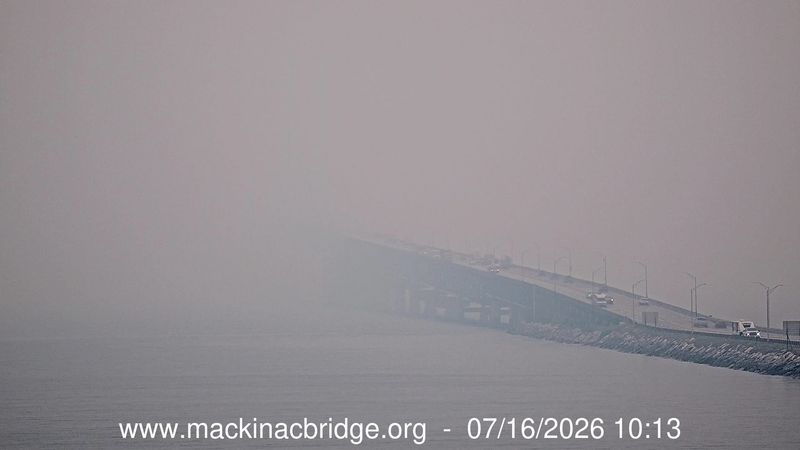
Michiganders wait all winter long for Pure Michigan summer glory. But for the third summer in a row, storms and wildfires have derailed our plans and changed summer magic. It’s about more than canceled beach days, concerts, and lost tourism dollars. It’s about the long-term health of Michiganders and our way of life.
Think back to the summers of your childhood. Today’s reality probably isn’t what you remember. That’s because burning coal, oil, and natural gas has allowed carbon dioxide levels in the atmosphere to reach unsafe levels, forcing atmospheric warming to the point where it now routinely turns vegetation into wildfire fuel, and where it can also hold enough water vapor to turn rainstorms into floods. We’re feeling the impacts of this in Michigan, and it’s even worse elsewhere. Our western states and Canada are on fire, while Texas and North Carolina are still reeling from increasingly deadly storms and flooding.
Three summers in a row is a trend, not a fluke. This trend will worsen unless we act aggressively to stop burning fossil fuels and halt climate change. Public policy, advocacy and federal investments matter. It’s crazy to cut funding for climate and forest management, and short-sighted to blame Canada for our problems when, instead, our countries need to work together to address our shared crises. Words and threats won’t save the day, but joint climate action can.
Reports have documented concerns that last year’s federal layoffs included employees who remove hazardous vegetation, maintain trails and fire breaks, and provide operational support to firefighters. Let’s treat our nation’s fire managers and fighters like the heroes they are and give them the support they need to do the job.
Last week, Michigan granted Enbridge Energy critical permits to build a tunnel under the Great Lakes for the Line 5 oil pipeline. This decision attempts to move us in exactly the wrong direction by locking in 99 years of fossil fuel infrastructure that will only increase the threat to the Great Lakes freshwater resource that the pipeline crosses.
The recent pipeline decision also ignores Indigenous water and burial rights, all in the name of propping up the industry that is the primary cause of the growing wildfire, flooding, and other climate disasters. Our policies should focus instead on protecting our water while phasing out fossil fuels in favor of proven clean energy technologies that are now also the most affordable and fair way to power our future. The solutions are in hand – it’s about growing the political will to do what’s right.
The same is true of our food system. Most of us don’t think about where our food comes from until something breaks, leaving families wondering what’s safe to eat. The ongoing Cyclospora outbreak makes the point concrete. Tracing a complex global supply chain meant the outbreak dragged on for weeks and sickened thousands before officials could pin down a source.
Resilience comes from having more options: stronger regional food systems, shorter supply chains, and closer connections between farmers and families. A resilient food system also requires investing in the public health systems that tell us when something is going wrong. In July 2025, federal food surveillance requirements were reduced, and reporting for Cyclospora became optional. At the same time, the Centers for Disease Control experienced significant workforce reductions and downsized the Cyclospora lab team. We shouldn’t have to wait for the next crisis to build safer food systems.
Life’s basics are under threat: clean air, fresh water, and safe food. But don’t let today’s headlines discourage you. Instead, consider this an urgent call to action. Focus on environmental actions you can take in your own life. Electric vehicles, renewable energy, and local foods are among the most effective options, and each choice has benefits beyond the environment. Vote for leaders with a proven track record of supporting climate action, water protection, and safe, sustainable food systems. Talk to family, friends, and neighbors while engaging in policy advocacy and supporting continued work on solutions.
Protecting the future of Michigan and the planet should unite us all. It’s on all of us to decide what comes next. It’s time to act like your next Pure Michigan summer depends on it, because it does.
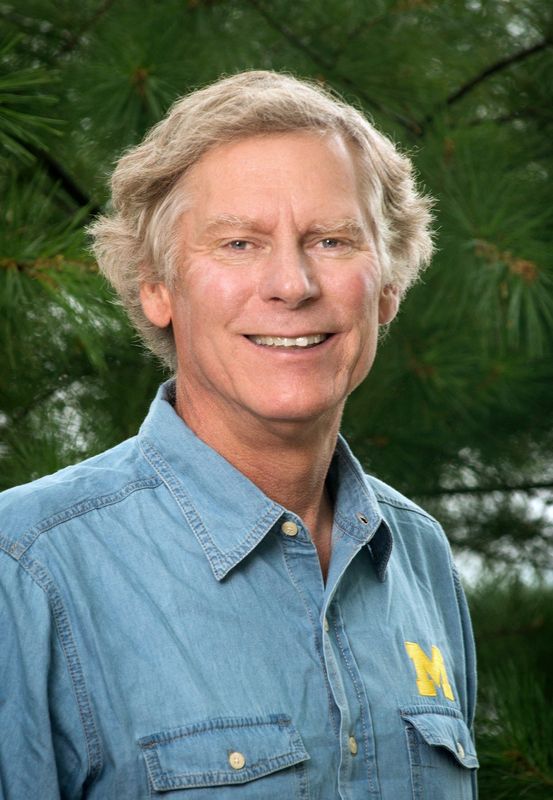
Jonathan Overpeck, Ph.D., is a climate scientist, professor, and dean of the School for Environment and Sustainability at the University of Michigan.
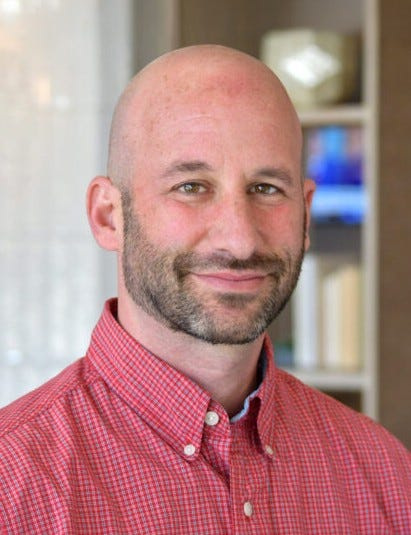
Michael Shriberg, Ph.D., is a Professor at the School for Environment & Sustainability and Director of the Water Center at the University of Michigan.
This article originally appeared on The Holland Sentinel: Michigan health plagued by wildfires, smokes and floods | Opinion
Reporting by Jonathan T. Overpeck and Michael Shriberg, Holland Sentinel / The Holland Sentinel
USA TODAY Network via Reuters Connect
By Jonathan T. Overpeck and Michael Shriberg, Holland Sentinel | USA TODAY Network