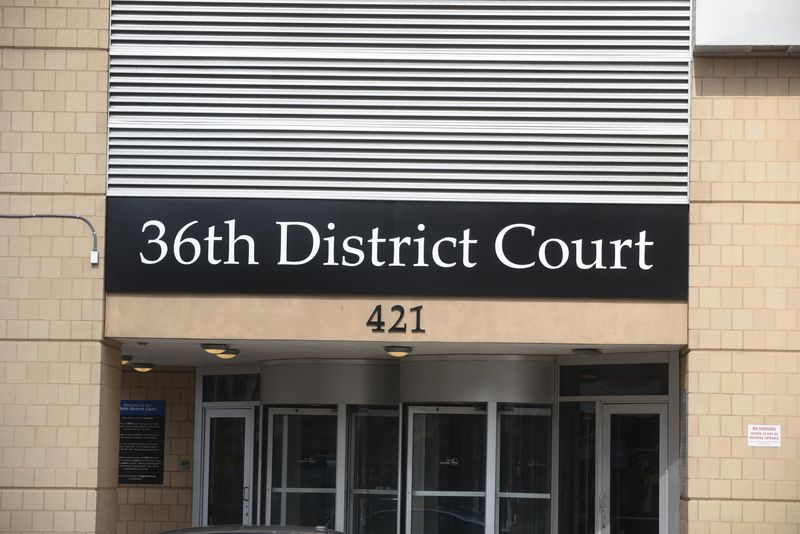
Over the last several years, courts have embraced technology in ways that have improved access to justice and increased efficiency. The 36th District Court in Detroit uses virtual hearings in many cases because, in the right circumstances, they provide convenience for litigants while allowing the court to operate more efficiently. They serve an essential role in our judicial system.
The question is not whether virtual hearings are good or bad. The question is which format best serves litigants at a particular stage of a particular type of case. After careful evaluation, we believe that the first hearing in a landlord-tenant case is one of those proceedings that is most effective when conducted in person.

Beginning Aug. 10, the 36th District Court will return first hearings in landlord-tenant cases to an in-person format because we believe it will lead to a better process for everyone involved. This decision reflects our commitment to using the hearing format that best supports meaningful participation, informed decision-making and timely resolution of cases.
The first hearing is often the most important moment in a landlord-tenant case. It may be the first opportunity for tenants to meet with their attorney, for landlords and tenants to exchange information and for the Court to understand what issues truly need to be resolved. Those conversations are more effective when people are sitting across the table from one another.
Attorneys can review leases, receipts, inspection reports, photographs, repair requests and other documents immediately rather than trying to review electronic files while appearing remotely. Questions can be answered in real time, misunderstandings can be corrected before they become larger disputes and negotiations are often more productive when everyone is present in the same place.
Our own experience supports this conclusion. When the court returned second hearings to an in-person format, we did not see an increase in default judgments or failures to appear. Instead, judges, attorneys and court staff were better able to address issues efficiently. That experience gave us confidence that returning first hearings to the courtroom is the logical next step.
To ensure that this transition is orderly and that litigants have adequate time and space to participate fully, first hearings will be scheduled in the afternoon. Each courtroom will be assigned no more than 25 cases, reducing congestion in courtrooms and hallways and allowing attorneys, litigants and court staff to handle each case efficiently and effectively. Courtrooms will continue to recess between morning and afternoon dockets, so attorneys and staff have time to prepare for upcoming hearings, meet with clients, address administrative matters and attend to other responsibilities.
Accessibility remains an important consideration. The court is committed to ensuring that every person has meaningful access to justice, and requests to appear virtually may still be granted by motion or through a formal accommodation request submitted to the court’s ADA coordinator. Returning first hearings to the courtroom is not intended to create barriers; it is intended to provide litigants with the setting that best supports communication, understanding and participation.
For many people facing housing instability, the opportunity to meet directly with their attorney and receive immediate guidance can make a significant difference. Attorneys can identify potential defenses earlier, review critical documents on the spot and provide more informed advice before the case goes further. Likewise, landlords and their counsel benefit from the opportunity to address concerns directly with opposing counsel and identify issues that may otherwise delay resolution.
This decision is not a rejection of virtual technology. Rather, it is a recognition that different proceedings call for different approaches. By using the right format for the right hearing, we believe we can better serve litigants, strengthen the judicial process and promote fair, timely resolutions for everyone who comes before the court.
Honorable William C. McConico is the chief judge for 36th District Court.
This article originally appeared on The Detroit News: McConico: For 36th District Court, first landlord-tenant hearings work best in person
Reporting by William C. McConico / The Detroit News
USA TODAY Network via Reuters Connect
By William C. McConico | USA TODAY Network