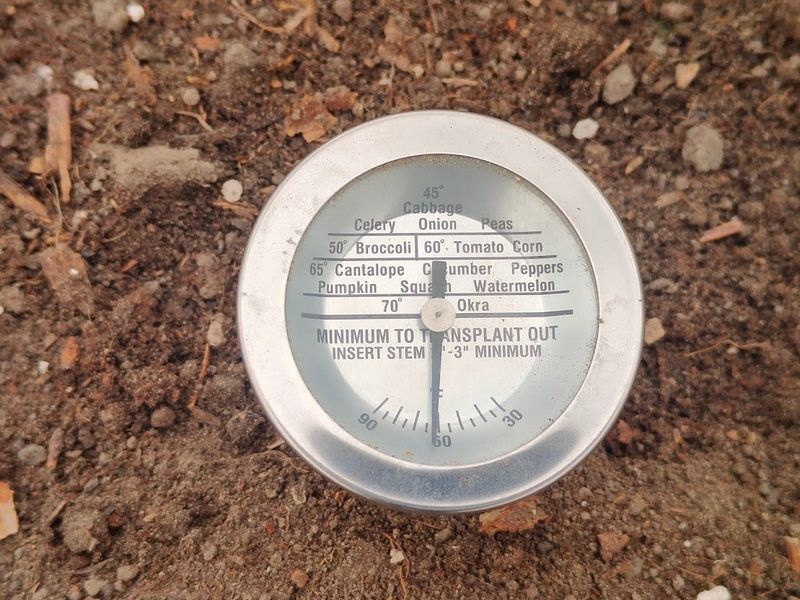
Mother’s Day is often considered the safe planting date in our area and while air temperature is important for plants, soil temperature is even more critical. While the swing in air temperatures can move very rapidly, soil temperatures fluctuate much more slowly. One of the most common mistakes inexperienced gardeners make is planting seeds too early. Back in April, when we had that stretch of warm weather, I heard of people out planting their gardens. Of course we all know what happened with the weather not long after that.

Soil temperatures that are too cool will cause season long problems for your plants. When planted too early, some seeds will be slow in germinating or will not be able to germinate at all. Seeds left in the soil and are slow to germinate are susceptible to rotting or being chewed by soil insects, weakening the plants for the rest of the season.
Phosphorus uptake, which is required for early root development and plant growth, and nitrogen needed for overall plant well-being, are hampered by cool soil.
Cool-season crop seeds such as beet, cabbage, carrot, cauliflower, swiss chard, lettuce, onion, parsnips, peas, radish and spinach all sprout rapidly at 50 degrees F.
Warm season crop seeds prefer soil at the 60 degrees F range and include lima beans, snap beans, celery, corn, cucumber, pepper and turnip. Crops that require warmer soil at least 70 degrees F are muskmelon, pumpkin, squash and watermelon. Cantaloupes, okra and sweet potatoes require 75 degrees F, preferably higher.
Measure soil temperature using a soil thermometer, commonly sold at garden centers. A kitchen thermometer with a probe used to check the doneness of meat also works. Thermometers can lose their accuracy by being roughly handled. Consider checking your thermometer each spring. One simple way is to look at the ambient air temperature reading on a known accurate thermometer and compare the reading of the one you’ll be using before putting it into your soil.
Take soil temperatures between 10 am and 12 noon for three days in a row at the same time each day. Check at two inches deep to get a reading for seed sowing and again at six inches deep for setting out transplants. It is best to plan on planting when the soil temperature readings are trending upward. Very cloudy or sunny days can skew your readings. Microclimates in your garden can also have an effect, such as low parts of the garden or in shaded spots in spots. In places that are receiving radiant heat from a wall or on south-facing slopes may be warmer. Raised beds will always be warmer.
Black uncovered soil heats up the quickest. A layer of mulch on the surface will act as insulation, keeping the soil cooler longer. Other slow-to-warm-up soils include heavy clay soil, high organic matter content, poorly drained soils, and those with a living cover crop.
We are all eager to plant but we need to be cautious to have a successful garden.
This article originally appeared on The Detroit News: Match outdoor soil temperatures with seed germination requirements
Reporting by Bob Dluzen, The Detroit News / The Detroit News
USA TODAY Network via Reuters Connect