A widespread federal logging plan in the western Upper Peninsula has caught the attention of a coalition of environmental groups worried that the project could damage a wilderness area and the vast woodlands of the Ottawa National Forest.
The U.S. Forest Service’s Silver Branch Vegetation Management Project covers about 177,000 acres in portions of Iron, Baraga and Houghton counties. Approximately 25,000 acres would be clear-cut with some trees left to provide seeds and animal habitat, according to the Forest Service’s online planning documents.

Ottawa National Forest District Ranger Trevor Hahka said the project is a “large, landscape-scale effort” designed to reduce wildfire risk in the forest, where fuels such as downed trees are increasing the threat of an out-of-control blaze.
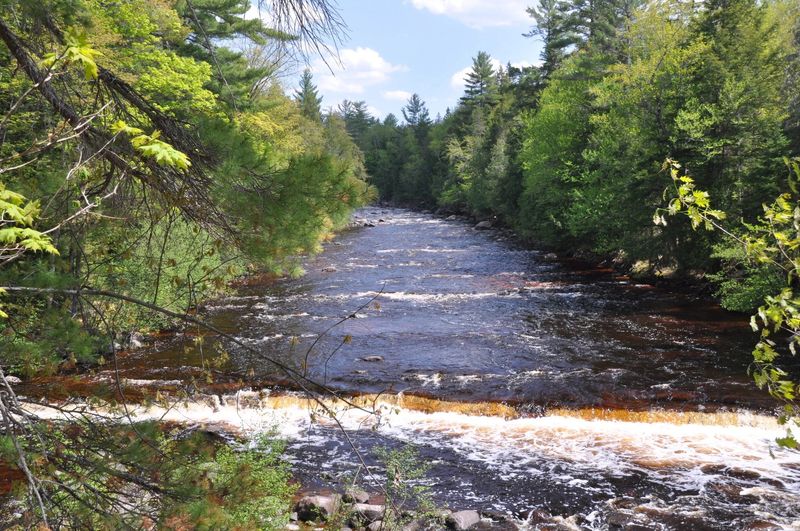
The Ottawa National Forest is 1 million acres in the western UP. It touches Lake Superior and includes a 1,800-foot peak in the Sylvania Wilderness area. There are ski areas, waterfalls and many remote outdoor opportunities for camping, snowmobiling, cross-country skiing, fishing, dog sledding and more. The North Country Trail runs through the forest.
While environmental groups fear the sprawling project will affect the beloved wild lands and animals that live there, ranger Hahka said the Silver Branch project would address forest health issues, such as aging aspen trees, overcrowded hardwoods and declining conifers.
The project also involves restoring wild rice in some inland lakes, using prescribed burning to regenerate some tree species, building short walking trails and doing habitat improvement projects, according to planning documents.
Why environmental groups oppose UP logging project
The Silver Branch project is too big and includes sensitive areas that are important for wildlife and recreation, said Kelly Thayer, a senior policy advocate for the Chicago nonprofit Environmental Law & Policy Center. It has not been properly studied for its potential harms, he said.
“These lands are too important,” Thayer said. “The tree cover is important for wildlife and also for our future when it comes to climate and clean water. Let’s find a balance here that can meet the needs of all of us instead of prioritizing just one goal, which is logging.”
The project plans include cutting trees in an area next to the Sturgeon River Gorge Wilderness area and within a 2,000-acre area that Upper Peninsula environmental groups have proposed be added to the wilderness area, he said.
Hahka, the Forest Service ranger, said vegetation management would happen outside the wilderness area boundary “and follow strict design criteria to protect Wilderness character while restoring healthy forest conditions nearby.” Clear-cutting is useful for promoting some species, he said.
“Clear-cutting is used only where it is the ecologically appropriate method to regenerate declining aspen and birch,” Hahka said. “This creates young‑forest habitat, increases age‑class diversity, and supports species that depend on early‑successional conditions.”
The heavy equipment used for logging would damage the soil around the wilderness area, Thayer said, which potentially could cause erosion and runoff into the wilderness area or introduce invasive species.
The Silver Branch project plans call for building 13 miles of new roads and rebuilding hundreds of existing miles of road, according to the planning documents.
Those roads would fragment the habitat for animals such as gray wolves, marten (a weasel-like mammal), goshawk and the endangered Northern long-eared bat, Thayer said.
“It proposes to fragment an area that’s been identified as important to leave intact for wolves and for other sensitive species,” Thayer said. “Roads chop up what the animals are relying on, in terms of contiguous habitat.”
The Environmental Law & Policy Center and more than 20 other organizations and businesses working together to challenge the project are asking the Forest Service to reduce the project’s scope, particularly around the wilderness area, proposed wilderness area and North Country Trail. They also asked the Forest Service to do a more intensive environmental analysis.
The public comment period for the project took place during the holiday season in December and January, which Thayer said did not provide people with an adequate opportunity to weigh in on the Forest Service’s plans.
Becky Humphries, chair of Michigan’s Natural Resources Commission and a former Department of Natural Resources director, declined to speak specifically about the Silver Branch project but said the national conservation groups she is involved with have urged the Forest Service to do more hands-on forest management.
“We’ve seen these big Western fires with a lot of fiber on the landscape that just is not getting sold in a timely manner, and some of these cuts now with mill closures around the country and the rest of it, we’re developing more and more problems.”
The Michigan Department of Natural Resources did not submit a comment about the Silver Branch project, spokesman Ed Golder said.
Does Michigan logging project follow Trump order?
Thayer warned the Silver Branch project could become a blueprint for future national forest projects.
That’s because, early into his second term, President Donald Trump issued an executive order calling for the expansion of American timber production. The U.S. Department of Agriculture, which houses the Forest Service, then directed field workers to increase timber outputs and remove National Environmental Policy Act processes.
“Healthy forests require work, and right now, we’re facing a national forest emergency. We have an abundance of timber at high risk of wildfires in our National Forests,” Agriculture Secretary Brooke Rollins said in an April 2025 statement. “I am proud to follow the bold leadership of President Trump by empowering forest managers to reduce constraints and minimize the risks of fire, insects, and disease so that we can strengthen the American timber industry and further enrich our forests with the resources they need to thrive.”
But the Policy & Law Center’s Thayer remains worried about the impact.
“We’re concerned that the Silver Branch project could become a template for the Ottawa to pursue bigger and bigger logging projects and conclude that virtually no matter what the impacts are, that they’re not significant and we can simply roll forward,” Thayer said. “That can’t be the standard here.”
Planning for the Silver Branch Vegetation Management Project began in 2023, well before Trump’s second term in office, Hahka said in an email. The project’s scope was guided by the 2006 Ottawa National Forest Plan, current forest health conditions, and consultation with tribes and the public, he said.
“The proposal focuses on addressing aging stands, declining regeneration and wildfire risk identified through field surveys and environmental analysis,” Hahka said. “Vegetation treatments may produce timber as part of sustainable forest management.
“While the project aligns with broader federal efforts to maintain a reliable domestic timber supply, it is driven primarily by Forest Plan objectives and local resource needs.”
ckthompson@detroitnews.com
This article originally appeared on The Detroit News: Large-scale logging project in western UP alarms environmental groups
Reporting by Carol Thompson, The Detroit News / The Detroit News
USA TODAY Network via Reuters Connect