

Summer vacation offers a break from classrooms, but not from stigma. For many Michigan youth with physical disabilities, social exclusion extends into camps, community activities and everyday interactions.
Picture 15-year-old Amara, born with spina bifida, a condition in which the spinal cord doesn’t fully develop, limiting her mobility and muscle control. She uses a walker. During summer camp, her peers organize a relay-race of eggs and spoons. Teens rush to form teams, shouting every name but Amara’s. What she hears instead is quieter: “We obviously can’t have her on our team. She’ll slow us down. Look at her legs.”

By the end of the day, her brain has logged the exclusion as a social threat.
Amara’s story is fictional. But her experience isn’t.
Physical disabilities, defined as limitations in body function or structure, affect more than mobility. Young people living with conditions like spina bifida, muscular dystrophy or sensory impairments repeatedly receive the message that they don’t socially belong. That message can rewire the developing brain.
In 2024, I saw this firsthand as a Project for Peace grantee in my hometown in the Democratic Republic of Congo, where I led an empowerment initiative for young Congolese women living with physical disabilities, including polio-related lower limb paralysis.
One young girl told me her disability was a “good enough reason” for her parents to strip her of educational opportunities — and that she became a figure of fun to peers in her neighborhood. Shame, exclusion and self-doubt followed, along with a social anxiety she carried silently through her teens.
Her story is not unique to the DRC. In Michigan, students with disabilities drop out of school at a rate of 21%, twice the rate of their non-disabled peers. The pattern is everywhere.
As social beings, we thrive where we feel accepted. Belonging is not a luxury; it is a core psychological need as critical as food or safety. Yet for many youths with physical disabilities, stigma disrupts that need daily.
It happens in the school cafeteria with no accessible seating, communicating that only able-bodied students were considered. It happens with soft violence of labeling someone “inspirational” rather than capable. It happens when a caregiver is addressed instead of an individual.
This stigma is systemic and sends one message: your body makes you the “other.” Othering, or treating people differently based on visible characteristics, erodes social belonging and breeds withdrawal, anxiety and a persistent state of vigilance.
Research shows that social exclusion activates the same brain regions responsible for processing physical pain and releases cortisol — the hormone that controls our physical and mental response to stress.
For youth with physical disabilities, repeated exclusion creates chronic stress during a critical window of brain development. Beyond navigating their disability, many carry the invisible burden of managing others’ discomfort and assumptions.
The consequences are measurable: youth with disabilities are 37% more likely to experience social difficulties than their non-disabled peers — not because of their disability, but because of the environments surrounding them.
Data reliably indicates that perceived social support, inclusion and identity affirmation are meaningful buffers that strengthen mental health.
If you are a parent or guardian, talk to your child about disability and model inclusion at home. Calling someone “inspirational” because of their disability — however well-meaning — is still othering. True inclusion means treating someone as an equal, not an exception.
If you work in a school, move beyond accommodation. Ensure students with disabilities are heard, chosen and included in the ordinary moments of the school day.
If you work in mental health or healthcare, ask about stigma, belonging and who is missing from your waiting room. Culturally competent care begins with the questions we are willing to ask.
People with disabilities aren’t waiting to be fixed. They’re waiting to be included.
Esther Bitijula is a research assistant in the Department of Psychiatry and Behavioral Neurosciences at Wayne State University.
This article originally appeared on The Detroit News: Disability does not exclude young people. Stigma does. | Opinion
Reporting by Esther Bitijula / The Detroit News
USA TODAY Network via Reuters Connect
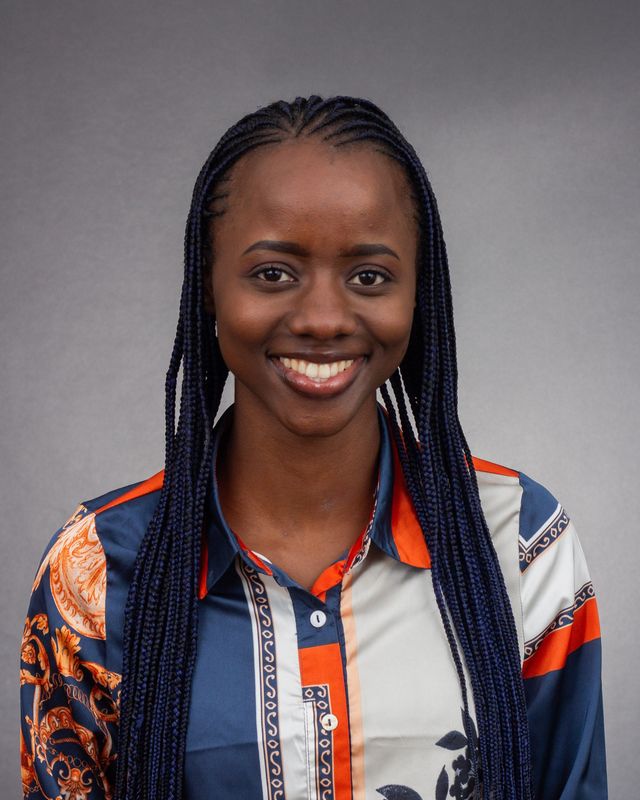
By Esther Bitijula | USA TODAY Network
