With warmer weather finally arriving and winter snow starting to melt away, now’s the time to make sure you wash away grime and road salt if you haven’t done it all winter.
While road salt is a key element to preventing cars from slipping and sliding over roads in winter, the mineral can damage cars over time.

Salted roads can lead to faster development of rust and corrosion on cars, especially on the undercarriage, but also on doors and hoods, according to AAA.
You can mitigate the damage to your vehicle by frequently washing the car, including the undercarriage during the winter, and doing so more frequently after a heavy snowfall, AAA noted. But if you haven’t done so all winter, now’s the time for a thorough wash.
Here’s what to know about road salt’s impacts on your car.
How can road salt damage your car?
Road salt can speed up the development of rust and corrosion on your car, particularly on the undercarriage, but also on doors and hoods, according to AAA.
Salt doesn’t stay on the pavement. As you drive, it splashes upward and settles on wheel wells, undercarriage components, lower panels, and trim. Mixed with moisture, this residue becomes highly corrosive, accelerating rust on exposed metal surfaces, according to Chemical Guys.
Winter road salt is relentless; it clings to metal, rubber, and even paint, quietly kicking off a chain reaction that leads to rust, discoloration, and degraded parts.
Early warning signs of salt damage on your vehicle
Knowing how to spot salt damage early can save your car from costly repairs and preserve that spotless look you love, Chemical Guys explains. Here’s what to look for as the first signals of trouble:
When should you wash road salt off your car?
Frequent washings of the car’s undercarriage can help prevent the harmful effects of road salt, AAA said. A good timeline is washing your car every two weeks during winter, and more frequently after heavy snowfall.
What temperature should it be outside when washing my car?
One of the most important things to pay attention to when washing your car in the winter is the temperature. It’s best to wash when the mercury is above freezing so the water doesn’t freeze on your vehicle.
Joey Sanchez, associate manager of social media for Chemical Guys, an online car cleaning retailer, says to be strategic about when you wash.
“The best time to wash your car in the winter is on days when temperatures are above freezing, ideally above 40 degrees Fahrenheit,” Sanchez said. “Midday, when the sun is highest and temperatures are warmest, is usually safest. If you’re using water, aim for a clear, dry day when you can fully wash and dry your vehicle before temps drop again.”
What is used to clear roads?
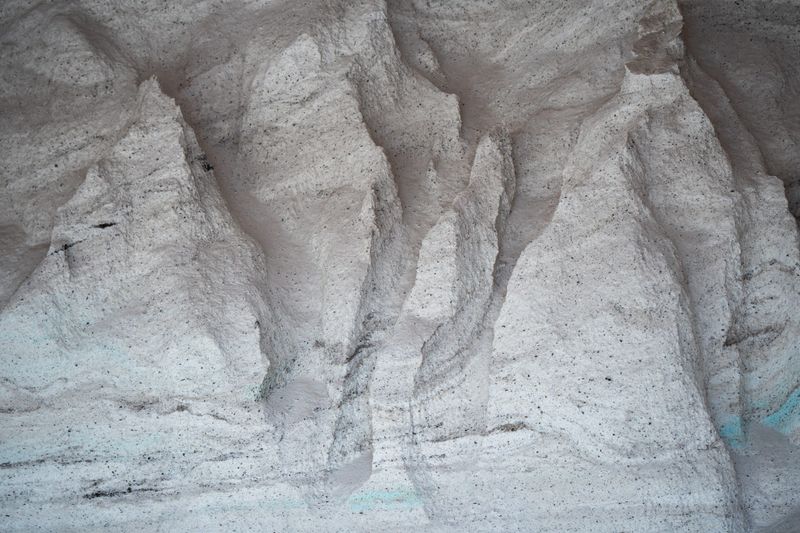
The most common type of salt used to melt ice on roads is sodium chloride, also known as rock salt, the U.S. Environmental Protection Agency says.
In Michigan, the Michigan Department of Transportation typically uses salt, but also has tried sugar beet waste.
What to know about rock salt
The most commonly used deicing salt is rock salt, which melts ice by lowering water’s freezing point, though it works less efficiently at pavement temperatures below 15 degrees, the Salt Smart Collaborative says.
— Detroit Free Press Writer Keenan Thompson contributed.
Contact Jenna Prestininzi: jprestininzi@freepress.com.
This article originally appeared on Detroit Free Press: Didn’t wash your car all winter? Why you should get the salt off
Reporting by Jenna Prestininzi, Detroit Free Press / Detroit Free Press
USA TODAY Network via Reuters Connect