A food-borne illness that can cause severe diarrhea continues to spread in Michigan with confirmed cases growing by more than 100 since the weekend, and infections now found in 33 counties statewide.
As of Monday, July 6, the Michigan Department of Health and Human Services has received 700 reports of cyclosporiasis since June 22.

“At this time, no specific produce grower, supplier or type of produce has been identified as the source,” MDHHS spokesperson Lynn Sutfin said in an email. “Anyone experiencing gastrointestinal illness, such as sudden and ongoing diarrhea, should contact their health care provider and their local health department.”
There have been 36 hospitalizations connected with the outbreak, Sutfin said.
The largest number of cases has been reported in Monroe County, where 173 people have been sickened. Washtenaw (95), Lenawee (86) and Shiawassee (62) counties also have reported high numbers.
On July 4, MDHHS said the number of reported cases in Michigan had reached 572, up from 170 on June 30.
“MDHHS is working with local health departments and the Michigan Department of Agriculture and Rural Development (MDARD) and will update information as it becomes available,” the health department said.
Cyclosporiasis is an intestinal illness caused by the Cyclospora parasite. People can become infected by consuming food or water that contains the parasite.
Cyclospora infects the small intestine and usually causes frequent, watery and explosive diarrhea. The time between being exposed and becoming sick is usually about one week but can range from two days to two weeks or more.
Untreated, the illness may last from a few days to more than a month, according to MDHHS, and symptoms may go away and then return.
Cyclosporiasis is not usually life-threatening, but dehydration from frequent bouts of diarrhea can cause severe illness, particularly among younger or older people and those who have weakened immune systems.
Where are people in Michigan infected?
The Michigan Department of Health and Human Services said cases have been confirmed in the following counties:
What foods may be linked to the outbreak?
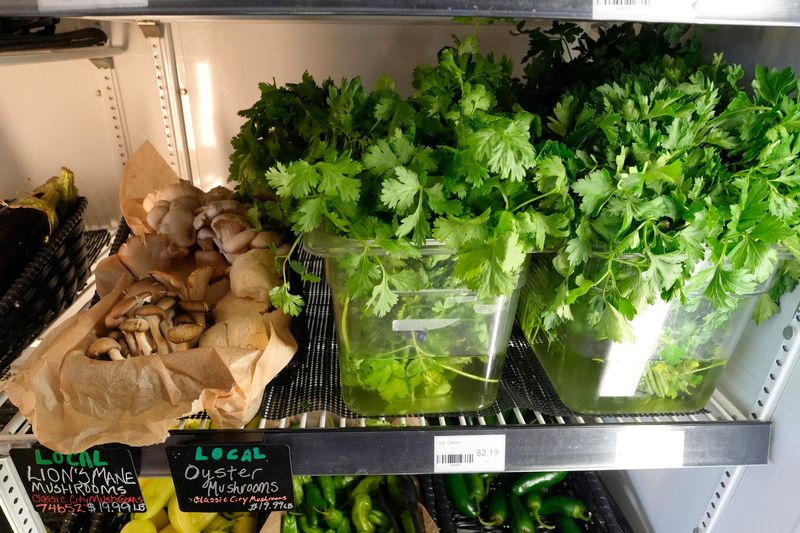
The following foods have been specifically linked to previous Cyclospora outbreaks in the United States and Canada, MDHHS said on July 4:
What should businesses do to reduce the risk?
MDHHS said because of the “large and increasing number of cases in Michigan,” entities in southeast Michigan that prepare, process or serve raw produce, including restaurants and other commercial kitchens, should take the following steps:
How can people reduce the infection risk at home?
These recommendations are particularly important for people who have a higher risk of dehydration or weakened immune systems such as patients on chemotherapy, organ transplant recipients, infants and young children and elderly people.
General rules to reduce your risk
Reminders about routine food safety practices
What should I do if I think I’ve been infected?
If you do become ill People experiencing gastrointestinal illness, such as sudden and ongoing diarrhea, are encouraged to contact their health care provider and reach out to their local health department. Cyclosporiasis is treated with antibiotics along with rest and drinking plenty of fluids to maintain hydration.
This article originally appeared on Lansing State Journal: Cases of explosive diarrhea-causing infection hit 700. Here’s where
Reporting by Dan Basso, USA TODAY NETWORK / Lansing State Journal
USA TODAY Network via Reuters Connect
By Dan Basso, USA TODAY NETWORK | USA TODAY Network