Michigan’s forests grow a range of edible nuts each fall — making squirrels, deer and even a few bears happy — and if you’re up for the adventure, you can bring some home for a treat as well.
Many of the nuts growing on Michigan trees can be eaten, but the process from harvesting to “ready to eat” can take several weeks.

Foragers should research beforehand to ensure a safe, enjoyable experience, the Michigan Department of Natural Resources suggests.
“Know your ID before you go out. Know what you’re looking for and proper preparation and check the land-use rules where you’re going,” DNR spokesperson Rachel Coale said.
Here’s what to know about Michigan’s nut varieties and how to make them edible.
How to ID a black walnut tree
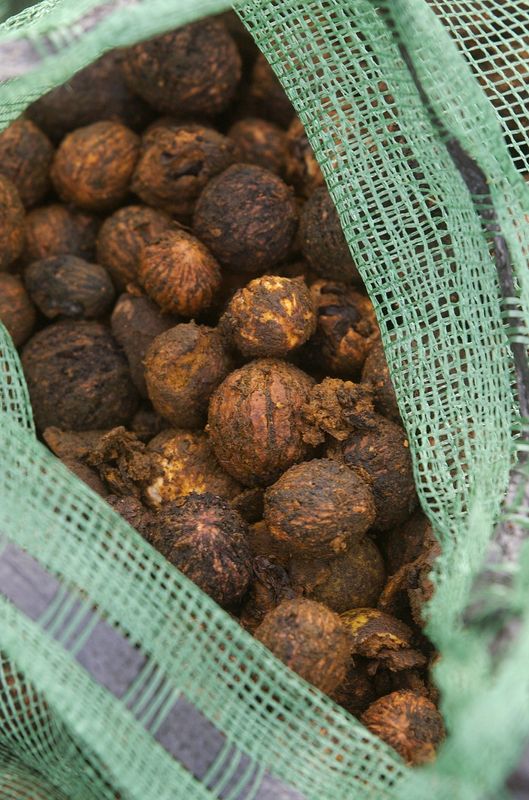
Black walnut trees grow 50 to 75 feet tall, with dark bark and compound leaves. The tree produces an annual fall harvest of walnuts, enclosed in a green husk that darkens when ripe. The tree’s wood is prized for making furniture and other items.
If you plant a black walnut, it likely will kill most things that might otherwise grow below it. The trees produce a natural herbicide in their seed pods and roots that prevents other plant growth below the tree.
How should you harvest black walnuts?
When harvesting the nuts, pickers should wear gloves to protect their hands from the walnuts’ juice, which will stain hands. Collect the nuts that fall on the ground. Preparation includes washing and drying the nuts, and curing them so the nuts are ready to crack and eat.
What is an American chestnut?
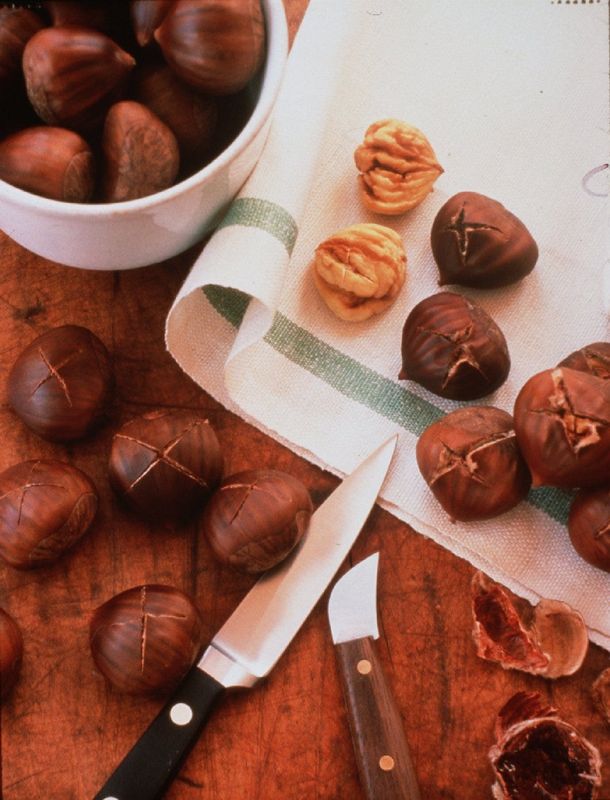
The American chestnut tree grows between 40 to 90 feet tall and has oval-shaped leaves. It produces edible chestnuts inside a spiky green shell. Though once prevalent, the species experienced chestnut blight, leading to its endangered status.
Chestnuts once spanned more than 200 million acres from Maine to Georgia, and as far west as the Mississippi River, the U.S. Forest Service said. Exotic pests from Asia, notably the chestnut blight, decimated it about 100 years ago. Today, The American Chestnut Foundation is working to return the tree.
“Today, it’s extremely rare to find a mature American chestnut within its native range due to a fungus called the Asian chestnut blight,” the forest service said.
Michigan features a growing cultivated chestnut industry, said Dan Guyer, Michigan State University professor emeritus and longtime chestnut researcher.
“The supply is not meeting the demand, and right now the partnership between Michigan State University and the industry is outstanding,” Guyer said. “We work together hand-in-hand in both the field and in facilities and in information and in travel and conferences, it’s just fantastic and we’re all one team.”
Chestnuts can be used to produce flour and gluten-free beer, in addition to being edible raw or cooked.
How should you harvest American chestnuts?
Gather the chestnuts as they fall from the trees, and make sure to wear gloves when removing the nuts from the outer shell. The nuts should then be washed and dried before storing them in a cool environment.
What are horse chestnuts?
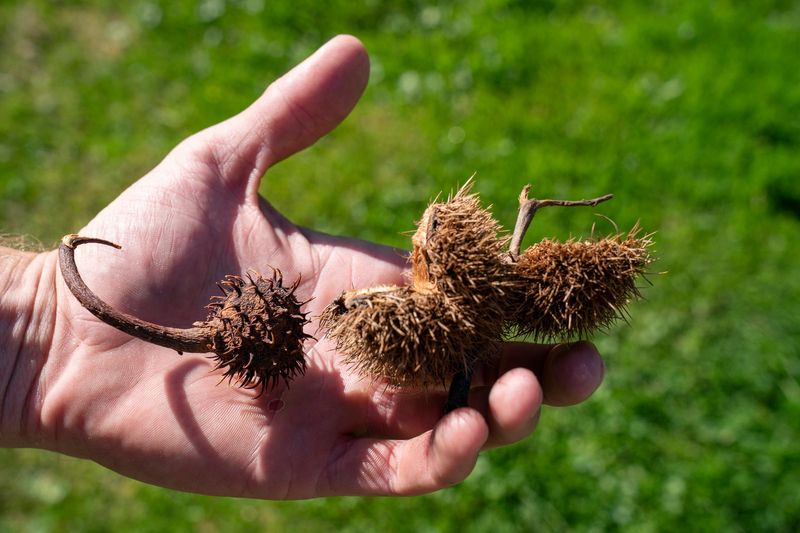
Native to southeastern Europe, the horse chestnut tree produces bitter, toxic seeds. The tree grows 50 to 75 feet tall and produces white flowers in the spring. Horse chestnuts are poisonous and not edible.
The seed or nut pods look similar to American chestnut pods, with spiky coverings. The tree’s leaves diverge from a common point into groups of about seven serrated-edged leaflets.
The extract of horse chestnut seeds can have medical uses to prevent swelling caused by poor blood circulation because of the nut’s blood-thinning properties.
What is shagbark hickory?
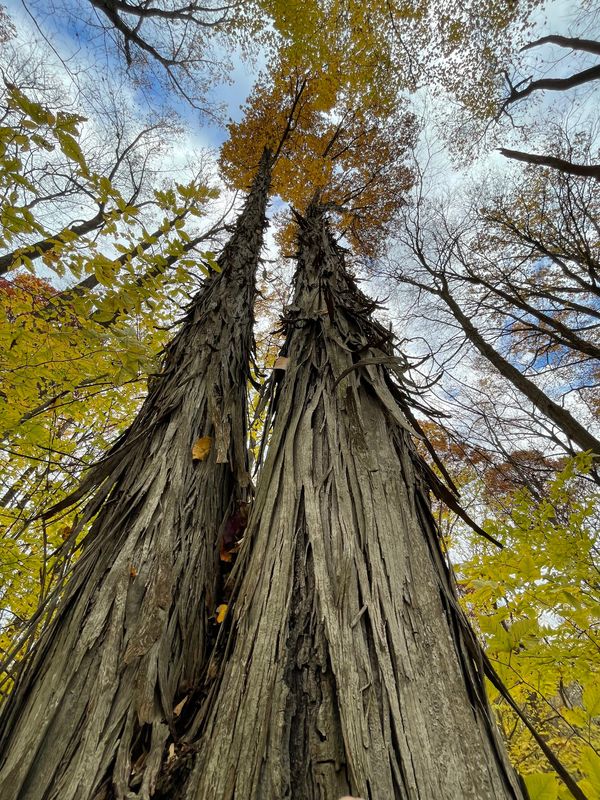
This tree features gray bark and compound leaves made of five leaflets. The tree’s bark provides the name, as it peels away from the trunk leaving a shaggy covering from ground to crown.
The tree produces edible hickory nuts enclosed in a thick husk. The nut can serve as a replacement for pecans in many popular fall recipes.
How should you harvest shagbark hickory?
Collect these nuts off the ground after they fall from the trees, no gloves are needed. Remove the brown husk and wash and dry the nuts.
What is butternut?
The butternut tree produces butternuts, also known as white walnuts. Part of the walnut family, the medium-size tree can typically live up to 75 years. The trees have pale gray bark and are related to the black walnut tree and other members of the walnut family.
The edible butternuts are sweet and oily, oval-shaped and enclosed in a shell.
Fungal disease, butternut canker, wiped out about 90% of the state’s butternut trees.
How should you harvest butternuts?
To harvest the nuts, collect the butternuts from the trees, remove the shells, wash and dry the nuts. The butternuts will then need to cure over a few weeks before they can be prepared for storing in a cool environment.
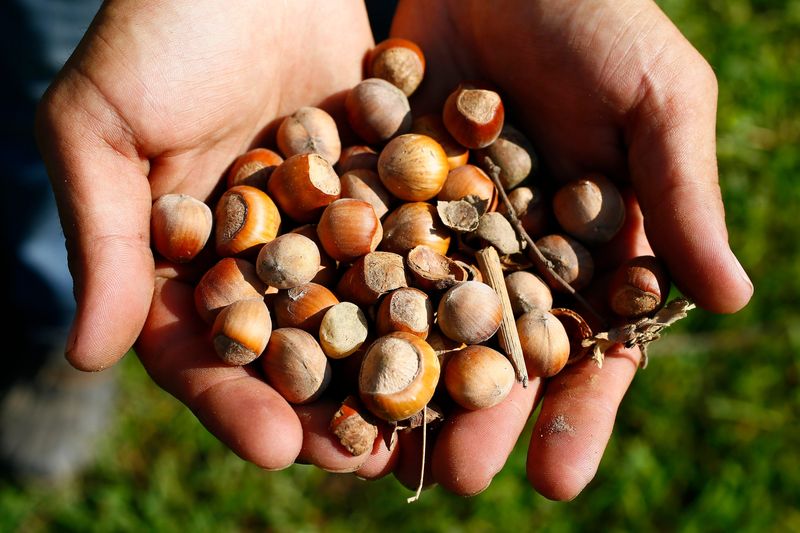
What is an American hazelnut?
Smaller trees, the American hazelnut tree, a cousin to the birch, grows as a shrub between 20 to 25 feet. The tree produces edible hazelnuts, with the shell covered by a husk.
How should you harvest American hazelnuts?
Enclosed in a green husk and wrapped in leaves, harvesters can pick the hazelnut clusters from the shrubs. Dry the nuts in a thin layer, then remove the husks wearing gloves. The hazelnuts will then be ready to crack and eat, or can be prepared roasted.
What is an American bladdernut?
This shrub can grow between 6 and 12 feet, featuring predominantly gray bark and leaves comprised of three leaflets. The plant produces edible seeds, enclosed in a capsule that develops over several months.
How should you harvest American bladdernuts?
Though the tree does not produce edible nuts, it produces seeds similar in size to popcorn kernels. The seeds can be eaten raw or cooked, they should be collected from the trees and removed from their shells prior to eating. The seed also contains an edible oil that can be used for cooking.
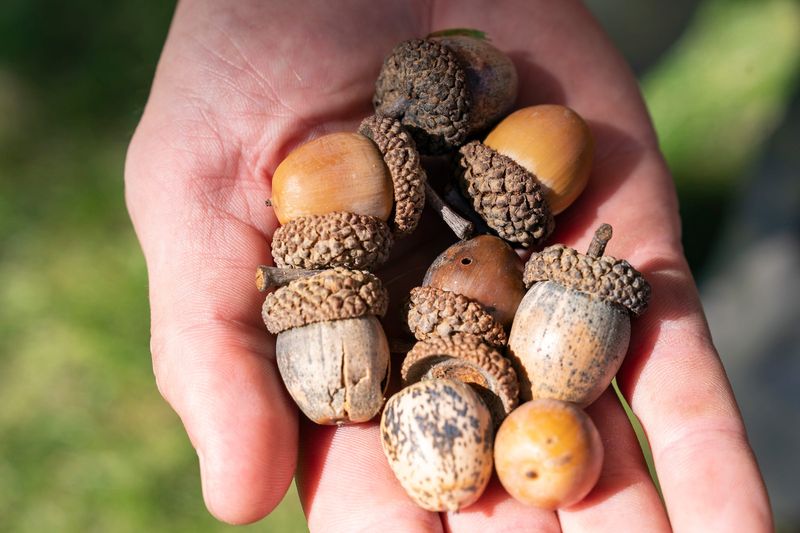
What is an acorn?
Michigan features a variety of oak trees that produce acorns.
White oak acorns are more popular among humans, due to their sweet taste. The edible nut can be used for soups, flour or nut butter.The acorns can be eaten cooked by boiling or roasting.
Acorns generally are not a good choice for humans to eat raw, although deer will gobble them up.
Acorns contain tannins, a group of bitter plant compounds that may be harmful when consumed in high amounts, according to Healthline. Tannins reduce the body’s ability to absorb essential nutrients from food. Consuming high amounts of tannins may lead to adverse health effects in humans and animals, such as severe liver and kidney damage.
“However, most of the tannins leach out of acorns when they’re prepared for consumption — often by soaking or boiling. While no studies exist on the toxicity of raw acorns in humans, the nuts are rarely eaten raw,” Healthline said.
How should you harvest acorns?
Harvesters can collect acorns that fall from oak trees, then shell the nuts either by hand or with a nutcracker or similar tool. The acorn nuts should be washed and dried before use, then stored.
How to prepare the nuts you’ve harvested
If you’re foraging for nuts in Michigan, there are several key parts to the process. Harvesting and preparing wild nuts can pose a challenge, including foraging in the wild and weekslong curing of nuts once harvested.
Once harvested, nuts must be washed and dried and removed from their shell and, for some types of nuts, first from an exterior husk or other casing. The process can take several weeks, as the nuts may need time to dry and cure before de-shelling.
Removing nuts from their shells can be difficult, and various methods include using tools such as a nutcracker, hammer or board. Similarly, removing the husks or other outer casings can be done using a tool such as a hammer, or by stomping on the nuts with your feet or driving over them with a car’s tires.
Once the nuts are washed, dried, de-husked and de-shelled, they can either be cooked or prepared raw. Nuts should be stored in airtight containers or frozen, depending on nut type and preference.
This process varies by type of nut. For example, black walnuts are particularly challenging to de-husk and de-shell, requiring the use of stronger tools such as cracking machines or car tires. Other nuts, such as hazelnuts, however, are easier to de-husk, by drying the nuts in the husk and then removing the husks by hand, as they fall off more easily once dried.
Contact Jenna Prestininzi: jprestininzi@freepress.com.
This article originally appeared on Detroit Free Press: A crunch course into Michigan’s fall nuts. How to harvest, preserve and eat them
Reporting by Jenna Prestininzi, Detroit Free Press / Detroit Free Press
USA TODAY Network via Reuters Connect