

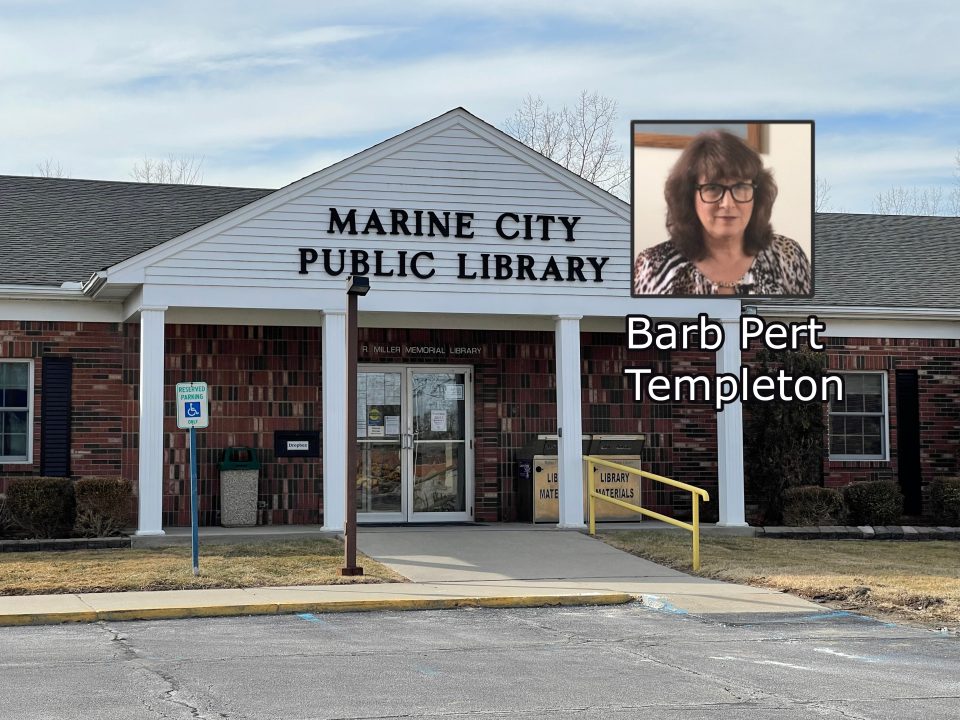
St. Clair County has plenty of warming centers
By Barb Pert Templeton

There have been some record-breaking cold temperatures across the state this month and it was no different over this past weekend as some forecasters were calling for -10 degrees which could push wind chills to -20 by Sunday afternoon.
As people scramble to keep warm there are numerous options to do so at warming centers established across St. Clair County. A list of all the warming centers and shelters in the county right now was provided by St. Clair County Community Services Coordinating Body (CSCB).

Justin L. Westmiller, PEM, the Director, Homeland Security & Emergency Management
St. Clair County said the county has a standing agreement with the county library system to use their facilities as warming centers during normal business hours.
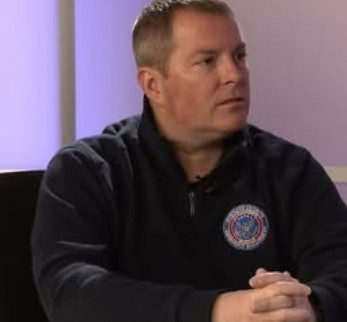
Justin L. Westmiller, PEM, Director, Homeland Security & Emergency Management
St. Clair County.
“Also, many of our municipal fire departments can be used as warming centers but it is always recommended to call ahead for those,” Westmiller said. “People can dial 911 (emergency) and or 211 (non-emergent) for assistance if they need help.”
He noted that the county does not directly interface with the actual non-profit shelters, but rather his office is a part of the CSCB and the CSCB interfaces with the local shelters such as BWARM and others.
There’s also a distinction between warming centers and shelters. Warming Centers are normally used in emergencies such as power loss, natural gas loss or other localized failure of infrastructure to allow people to warm up, recharge phones and other batteries and have restrooms available, Westmiller explained.
“In the event of a disaster, we may open up a disaster shelter with the heavy assistance from the Red Cross and other non-profits but we do not normally do that for regular winter weather,” Westmiller said. “That is always handled by the local non-profits that many of our municipalities provide funding for.”
Blue Water Healthy Living caught up with Westmiller via email to pose some additional questions about dealing with the unusually low temperatures across the area over the last few weeks.
Blue Water Healthy Living: Does the county offer any basic tips for folks dealing with the really cold temperatures this month across the region?
Justin L. Westmiller, PEM, the Director, Homeland Security & Emergency Management St. Clair County:
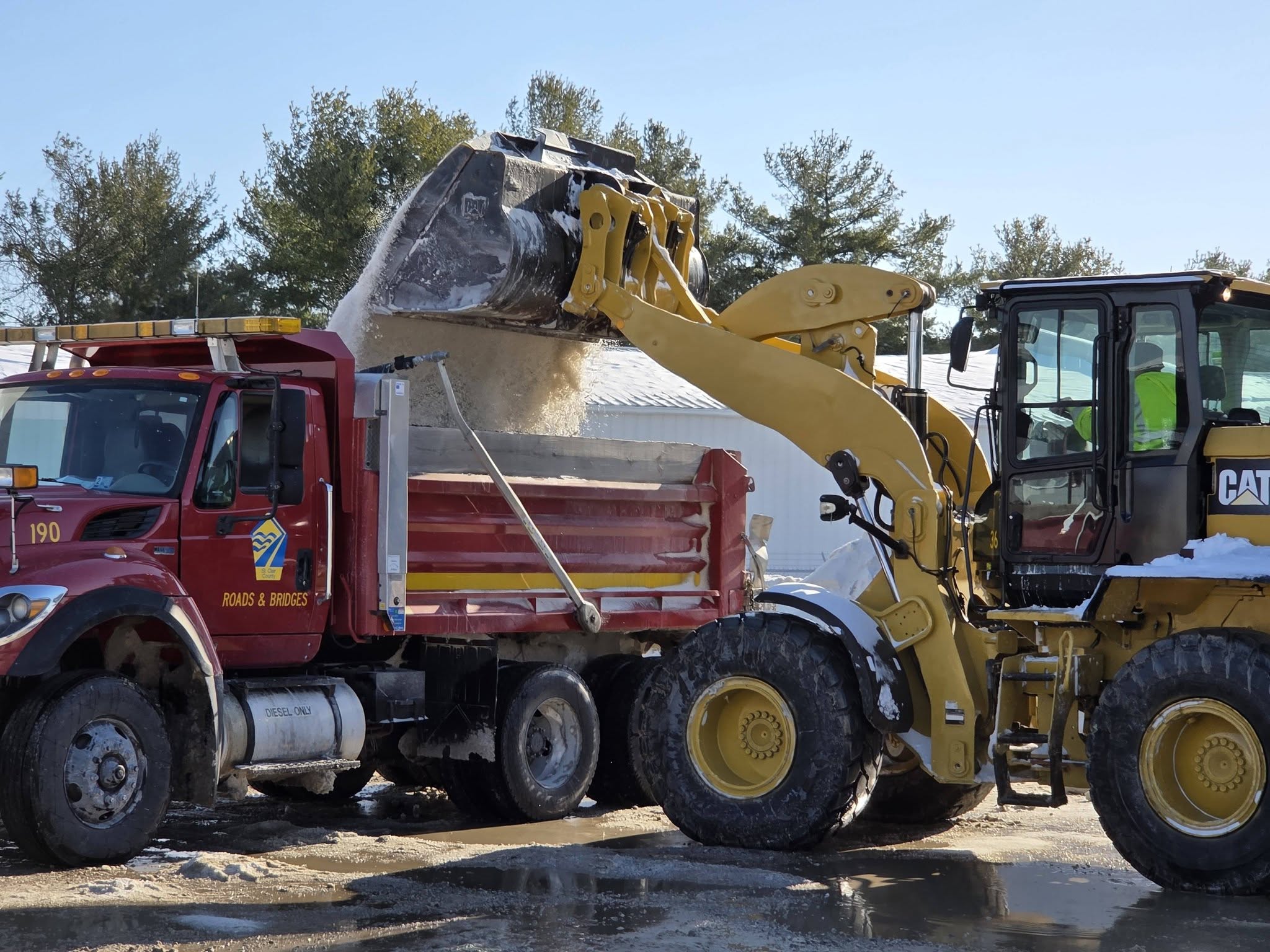
Loading up the salt trucks has kept the team busy in St. Clair County this month and at times they’ve been working round the clock to clear roadways.
· Dress for wind, not just temperature. Wear loose layers (base layer that wicks moisture, insulating mid-layer, windproof outer layer), and cover exposed skin to reduce frostbite and hypothermia risk.
· Stay dry. Wet clothing accelerates heat loss, so swap out damp gloves or socks quickly.
· Limit time outdoors and take warm-up breaks. Employers should rotate staff, shorten exposures, and provide warm break areas and warm liquids.
· Know the warning signs. Frostbite can present as numbness or pale/waxy skin; hypothermia can include shivering, confusion, slurred speech, and drowsiness.
· Bus stop: Kids should keep all skin covered (hat that covers ears, face covering, insulated gloves), and families should plan for safe waiting options when possible because wind chill can make frostbite possible in a short time.
BWHL: Are they overseen by the municipalities or agencies hosting them or does the county have a role in each one?
Westmiller: These sites are typically operated by the municipality, library system, or agency hosting them (hours, staffing, rules, services). The County’s role is generally coordination and public information sharing when conditions warrant.
BWHL: Is there a protocol that’s followed before warming centers are activated across the county? (Like do the temperatures have to be near zero to open them or?)
Westmiller: There is not one single countywide temperature trigger. Some locations function as “warm places” during normal business hours (like libraries and township halls), while others open “as needed” or operate as overnight shelters with specific intake rules. A good practical way to describe it: activation depends on forecast severity (including wind chill), duration of the cold, and each host’s staffing/capacity.
BWHL: What’s the premise of the warming centers in terms of housing people – do they include food, tv and movies, sleeping accommodations, restroom and shower facilities?
Westmiller: Warming centers are heated public facilities intended to provide temporary relief from dangerous cold, typically including water and restroom access.
· Daytime warming locations (libraries, public buildings) generally provide a heated space to sit and warm up during posted hours.
· Overnight shelters may provide sleeping accommodations and structured intake, but services differ.
BWHL: Is there a process for the public to make donations to warming centers at this time of year – blankets, winter clothing or food?
Westmiller: Donation needs are managed by the organizations operating shelters and related services.
BWHL: What’s the biggest misconception that people seem to have about dealing with really cold temperatures day to day?
Westmiller:
· “If it’s above zero, it’s not that dangerous.” Wind chill can drive frostbite risk fast; NWS guidance and wind chill charts show frostbite can occur in minutes under severe wind chill conditions.
· “I’m fine as long as I’m bundled up.” If clothing gets wet (sweat, snow, slush), heat loss accelerates, so staying dry matters as much as layering.
· “Cold sickness is obvious.” Early frostbite/hypothermia signs can be subtle, so people should treat numbness, confusion, or unusual fatigue as warning signals.
Westmiller added: “County Emergency Management has not received a single request for assistance from any municipality nor shelter organization this winter. We stand by ready to assist.”
