By Mike Dolan
April 20 (Reuters) –

What matters in U.S. and global markets today
By Mike Dolan, Editor-at-Large, Finance and Markets
Stop-go, stop-go. Friday’s market exuberance at the opening of the Strait of Hormuz was doused again on Monday as the weekend saw Iran turn its green light to red again because of the United States’ continued blockade of Iranian ports.
The tension built as Iranian troops fired on tankers and the U.S. seized an Iranian cargo ship. Exactly what was agreed on Friday before Iran temporarily reopened the waterway is neither clear to markets nor the two belligerents – or so it seems.
I’ll get into that and more below.
But first, listen to the latest episode of the Morning Bid daily podcast, where I discuss tech’s continued momentum and fresh political turmoil in Britain.
Subscribe to hear Reuters journalists discuss the biggest news in markets and finance seven days a week.
GREEN LIGHT, RED LIGHT
Further peace talks may be on the cards this week with U.S. envoys reportedly heading to Islamabad on Monday, although Tehran has said it will not participate. The existing two-week ceasefire between the sides is set to expire on Wednesday.
As for oil prices, the 9% drop on Friday was followed by a 5% rebound on Monday. However, crude prices remain below $100 per barrel, and some 20 ships managed to pass through the contested strait on Saturday – the most since March 1.
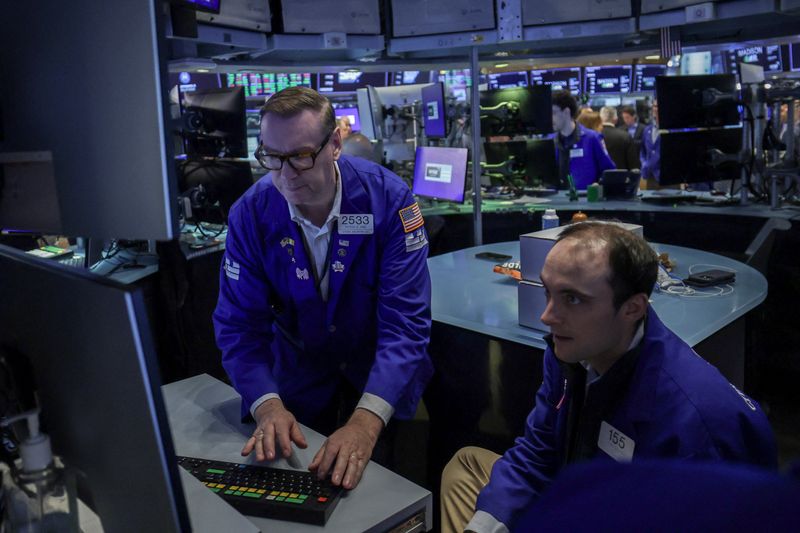
Stock markets in Asia were much less disturbed by the weekend tensions than they have been by similar news over the past few months. Perhaps they are riffing in part on Wall Street’s gains of more than 1% on Friday and the 13th straight day of gains for the tech-heavy Nasdaq – the first time that’s happened since 1992. Unlucky 13?
Tech optimism is once again overwhelming geopolitical concerns – or is even being partly driven by them. Tesla on Wednesday will be the first of the so-called Magnificent Seven to report first-quarter earnings.
Meantime, European shares slipped early on Monday, Wall Street futures edged down, and the dollar rebounded.
More broadly, however, there’s a sense that despite the back and forth in the Gulf over the weekend, the beginning of the end of the conflict may now be in sight, even if it takes weeks or months to get physical oil supplies back to normal.
Elsewhere, China left its key interest rates unchanged on Monday, while British markets are watching as pressure grows again on Prime Minister Keir Starmer.
Starmer will speak to Parliament later today on what he did – or didn’t – know about the security vetting of former U.S. ambassador Peter Mandelson, who was sacked last September over links to the late sex offender Jeffrey Epstein.
Markets appear less concerned about a new election than by the prospect of Starmer being unseated by his own ruling Labour Party.
Chart of the day
Even if the guns fall silent, flows through the narrow Strait of Hormuz will take months – and possibly years – to recover to pre-war levels. A full rebalancing of the global tanker fleet and a return of Gulf loading operations to pre-war rhythms will likely take at least eight to 12 weeks, even under benign conditions, writes ROI Energy Columnist Ron Bousso.
Today’s events to watch
* Canada March CPI (8:30 a.m. EDT)
* U.S. envoys due to arrive in Islamabad for reported talks
Want to receive the Morning Bid in your inbox every weekday morning? Sign up for the newsletter here. You can find ROI on the Reuters website, and you can follow us on LinkedIn and X.
Opinions expressed are those of the author. They do not reflect the views of Reuters News, which, under the Trust Principles, is committed to integrity, independence, and freedom from bias.
(By Mike Dolan)