

By Makiko Yamazaki and Miho Uranaka
TOKYO, July 8 (Reuters) – Japan’s ruling party plans to propose stronger enforcement against suspected violations of shareholder disclosure rules by activist investors, including by providing more resources to the securities watchdog, a senior lawmaker told Reuters.

The proposals come as Japan has become one of the world’s busiest markets for activist investing outside of the U.S., attracting hedge funds that have pushed companies to raise returns, unwind cross-shareholdings and improve governance.
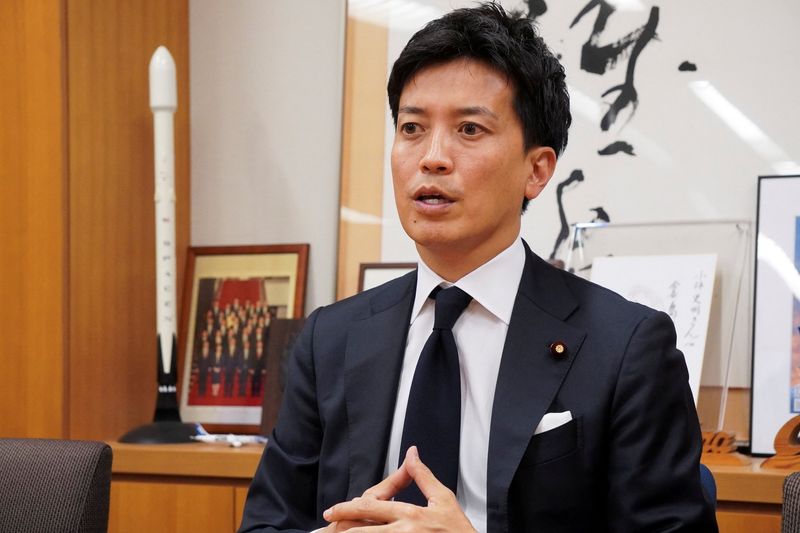
“The presence of activists has created healthy tension for management and helped drive positive change,” said Fumiaki Kobayashi, who heads a group of Liberal Democratic Party lawmakers examining corporate governance.
“But there are cases where short-term demands by some activist shareholders may discourage growth investment, and there are concerns about those who may be disregarding rules,” he said.
Kobayashi did not name any activist shareholders who may have flouted disclosure rules.
He pointed to recent revisions of disclosure regulations that specified the scope of deemed joint holdings, aimed at addressing concerns over so-called wolfpack activity, in which investors are suspected of acting in concert while avoiding disclosure requirements.
“The challenge now is ensuring effective enforcement,” he said. The Securities and Exchange Surveillance Commission, the country’s securities watchdog, should be given the resources needed to investigate suspected violations, including additional personnel and greater use of digital tools, he added.
Asked about potential cases where activist funds and private equity firms may coordinate around a takeover, Kobayashi said any agreement with a private equity firm concerning a future share transfer should be disclosed in shareholding filings.
“If such arrangements were not disclosed, it would warrant stricter regulatory enforcement,” he added.
Kobayashi’s group is expected to finalise the proposals later this month.
The group is also likely to recommend a review of the shareholder proposal framework, including tighter requirements for submitting shareholder proposals and the introduction of a statutory mechanism for shareholders to put a non-binding advisory resolution at shareholders’ meetings, Kobayashi said.
The recommendations reflect broader LDP concerns that while corporate profits have risen sharply in recent years and shareholder returns have surged, investment in capital expenditure, research and development, and human resources has lagged.
Japanese companies faced a record number of activist proposals at this year’s general shareholders meetings, including a call by Hong Kong-based Oasis Management for a vote against the heads of publisher and gaming company Kadokawa.
Kobayashi rejected characterisations of his group’s proposals as an “anti-activist” drive. This is about creating globally comparable rules, strengthening enforcement against violations and helping companies better explain long-term growth strategies to shareholders, he said.
(Reporting by Makiko Yamazaki and Miho Uranaka; Editing by Muralikumar Anantharaman)
By Makiko Yamazaki and Miho Uranaka | Reuters | © Copyright Thomson Reuters 2026.
