

By Rae Wee
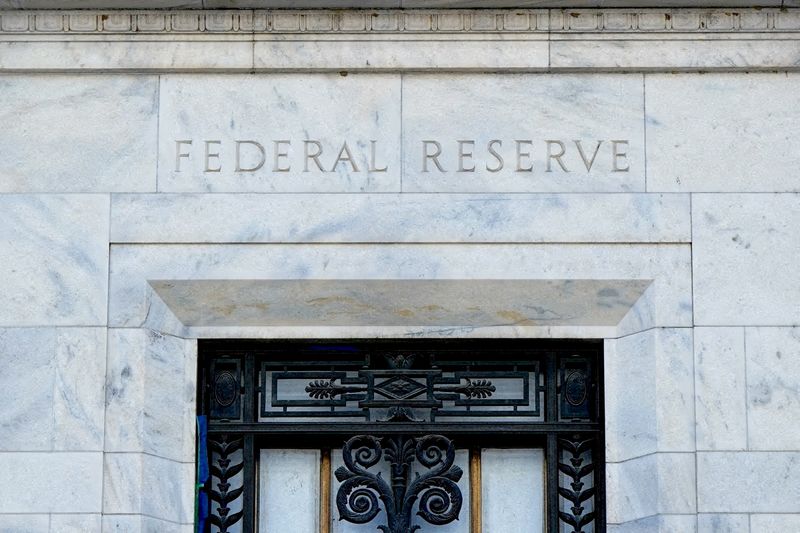
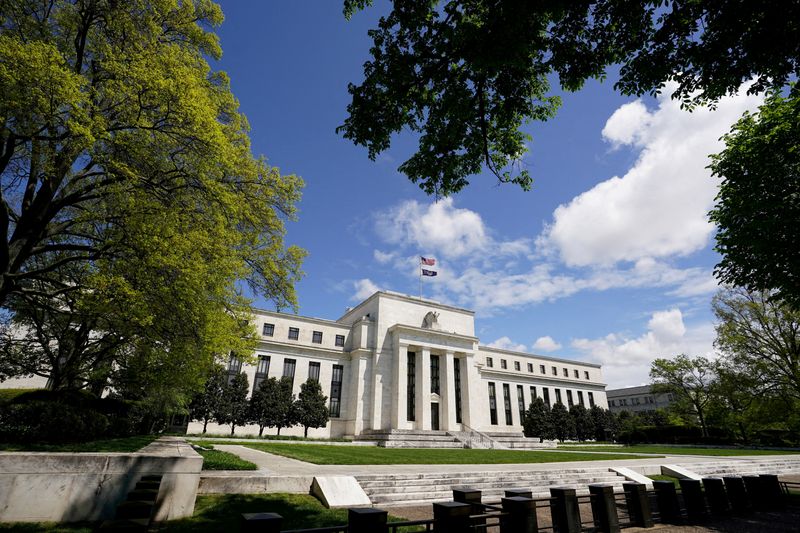
SINGAPORE, July 29 (Reuters) – The U.S. dollar was perched near a one-month high on Wednesday, buoyed by safe-haven flows after hostilities flared anew in the Middle East, while traders awaited a key Federal Reserve interest rate decision later in the day.

Moves in currencies were largely subdued in early Asian trade as investors stayed on the sidelines ahead of the Federal Open Market Committee’s decision, with markets pricing in a 33% chance of a 25-basis-point hike.
Adding to inflation fears, oil prices were back on the rise after the U.S. military said it intercepted multiple ballistic missiles launched by Iran towards U.S. forces in the Middle East.
Persistent strength in the dollar left the euro languishing near a one-month low at $1.1386, having fallen 0.3% for the month thus far, while sterling was down 0.06% at $1.3282, near its weakest level since July 1.
“I still think that the Fed will need more indication on how long the inflation risk is going to play out,” said Fabien Yip, a market analyst at IG, who expects the Fed to keep interest rates on hold later on Wednesday.
“The U.S. dollar will be relatively strong because of the ongoing uncertainties in the Middle East, but at the same time, if you look at the central bank policies, it does look like the U.S. is in a better position to maintain a hawkish stance, relative to other central banks.”
The dollar was firm at 101.43 against its peers and rose a touch against the yen to 163.88, keeping pressure on the weakened Japanese currency which continues to struggle at 40-year lows.
“There is a possibility that the FOMC’s policy decision and the Chair’s press conference could trigger a further strengthening of the dollar, pushing USD/JPY to 164,” said Hirofumi Suzuki, chief FX strategist at SMBC.
“The likelihood of FX intervention appears significant, as Japanese financial authorities have stepped up their warnings. In terms of timing, if the yen depreciates further following the BOJ’s Monetary Policy Meeting, that could provide a trigger for intervention.”
In other currencies, the Australian dollar was little changed at $0.6973, ahead of the release of domestic inflation figures later in the day.
The New Zealand dollar fell 0.09% to $0.5782.
(Reporting by Rae Wee; Editing by Christopher Cushing)

By Rae Wee | Reuters | © Copyright Thomson Reuters 2026.
