Detroit is investing $184 million to repair a backlog of defective residential sewer line connections.
The project will help prevent sewer backups and alley sinkholes, principally in low-income neighborhoods, officials said. The money, which comes from a federal grant, will pay for repairs of some 9,000 clogged or broken sewer connections, where the line coming from a home meets the city sewer system in alleys behind residences.

Typically, homeowners are responsible for maintaining the sewer line from the point where it leaves their house to the spot where it ties into the city sewer collection pipe. The city, meanwhile, maintains the sewers located under alleys and roadways.
The connection point tends to be the “the deepest and most expensive portion of a sewer repair,” the city said in a news release, as reconstruction can costs homeowners thousands of dollars.
“My administration is laser focused on bringing investment into neighborhoods across the city that have meaningful impact on our residents and homeowners, and the Alley Sewer Repair Program is the largest one yet,” Mayor Mary Sheffield said in a statement. “With this $184 million investment, 9,000 Detroit families will have homes that are more resilient to basement backups and fewer worries.”
The program is fully funded by a $346 million U.S. Department of Housing and Urban Development grant awarded to the city in 2023 after the city sustained major flooding issues that year.
The 9,000 sewer hookups to be repaired are selected by the Detroit Water and Sewerage Department, which will inspect the lines to confirm existing defects. Locations will be selected in phases throughout the duration of the project, which is expected to take about four years.
Stipulations regarding the federal grant require that most repairs take place in neighborhoods where more than half of residents are considered low- to moderate-income, officials said.
“These repairs can easily exceed $10,000, placing them out of reach for many families,” said DWSD director Gary Brown in a statement. “This project relieves the financial burden for the homeowner and greatly reduces the risk of sewage backups in the basement.”
About 1 in 3 residential private sewer line connections is currently either clogged, offset or entirely disconnected from the city sewer system, city officials said.
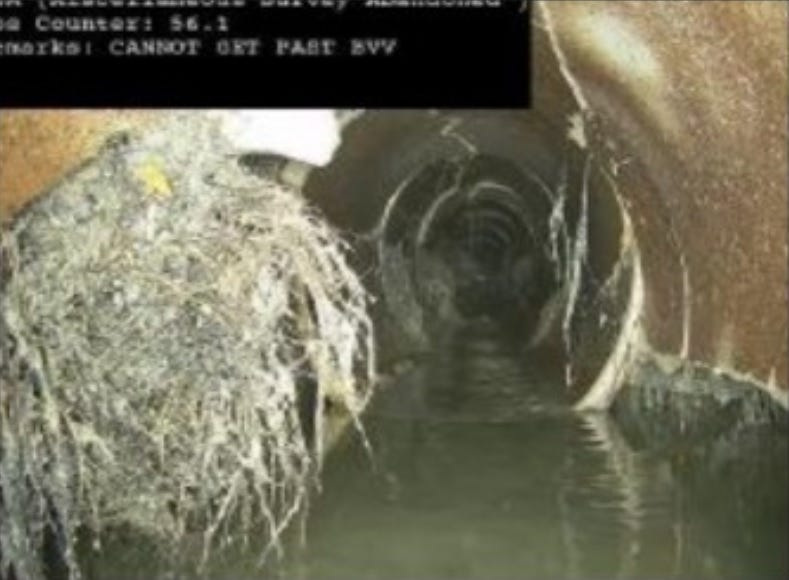
Because most of Detroit’s housing stock is 60-90 years old, many private sewer lines have either deteriorated or been pushed aside by tree roots or shifting soil, officials said, causing the pipes to be offset or collapse.
The issues can cause basements to back up, debris to enter the city sewer mains and alleys to develop sinkholes, the city said.
Sheffield said the City Council could approve the first two of seven contracts associated with the project by the end of the month. Pending approval, construction is expected to begin in October.
Work on all 9,000 sewer line connections is expected to be completed by the end of 2030, Sheffield said.
“Beyond the significant savings for homeowners, these repairs improve the performance of Detroit’s combined sewer system by reducing debris and tree root intrusion, preserving valuable capacity during heavy rain events,” said DWSD deputy director Sam Smalley in a statement.
mreinhart@detroitnews.com
This article originally appeared on The Detroit News: Detroit is spending millions to fix residents’ faulty sewer hookups
Reporting by Max Reinhart, The Detroit News / The Detroit News
USA TODAY Network via Reuters Connect
By Max Reinhart, The Detroit News | USA TODAY Network