Chloe was a 17-year-old freshman at the University of Cincinnati in 2023, planning to study architectural engineering. She’d just graduated from high school and was taking her first steps toward obtaining a college education.
She was robbed of that experience when she was raped by a trespasser in her off-campus dormitory, which her attorneys say was marketed as university-run but was actually operated by a for-profit investment company.

Chloe has filed lawsuits against the school and the apartment building’s ownership, claiming she was misled and placed in unsafe housing. Her lawyers are only identifying her by her first name.
She dropped out of UC immediately after the sexual assault. Her attorney said Chloe is not emotionally ready to return to school.
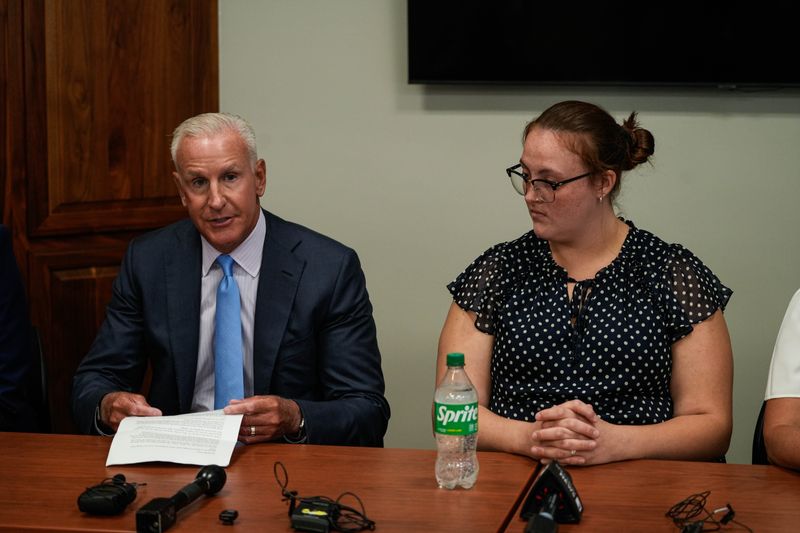
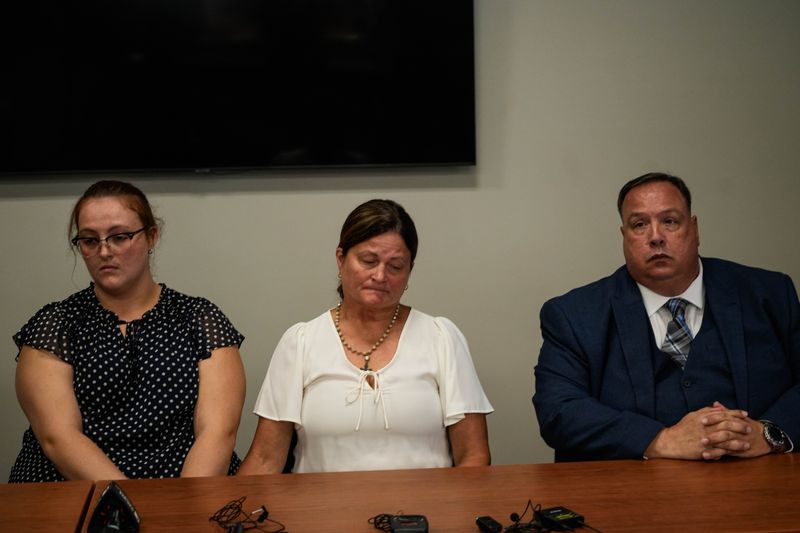
“I’d like to go back to school eventually if it’s in the cards for me,” she told reporters during a press conference on July 8. “But right now, everything is kind of uncertain.”
In 2023, Chloe and her family sued both the university and the companies that own, operate and manage The Deacon. More than two and a half years later, the case against the University of Cincinnati is scheduled to go to trial in the Ohio Court of Claims in November. The case against The Deacon in Hamilton County Common Pleas Court was dismissed by the plaintiffs due to time constraints and was refiled last month.
Chloe was required to live in university housing when she started attending UC, according to the lawsuit. She requested several dorms, but was placed in a room at The Deacon, a building the suit says is “off-campus in a dangerous area rife with violent crime.”
The Enquirer left voicemails for attorneys who have represented The Deacon, but did not receive a reply. The University of Cincinnati was contacted via email and didn’t respond at the time of this report.
Family alleges misrepresentations about security at off-campus apartment
The lawsuit states UC knew there was not enough housing on campus for all of the incoming freshmen and university officials “knew the areas around UC’s campus are violent and dangerous.”
There were seven reports of sex crimes at The Deacon between 2019 and August 2023, the lawsuit states, and the building has “known security deficiencies,” like people using trash cans to keep the doors propped open.
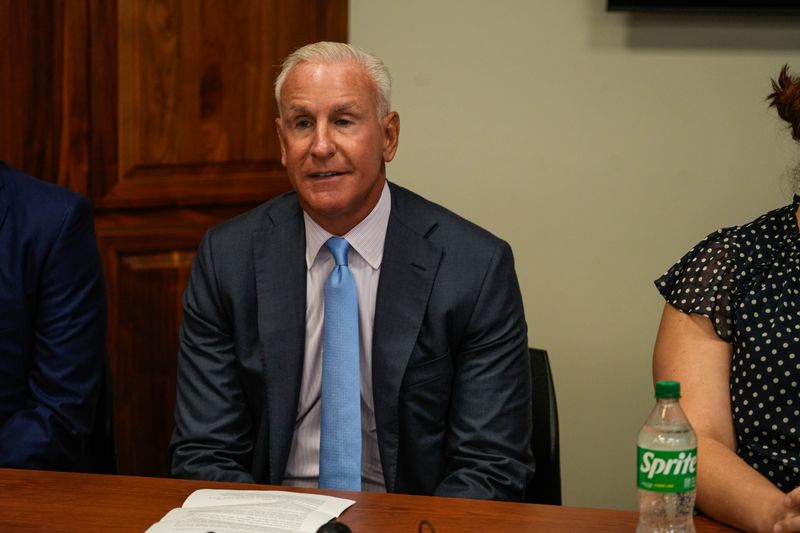
UC didn’t disclose to Chloe or her family that The Deacon managed its own security and maintenance, Steve Crandall, her attorney, said. They also didn’t know that the building was outside of the University of Cincinnati Police Department’s coverage area and that its officers didn’t patrol the hallways, unlike other residence halls.
Crandall added that The Deacon’s ownership made critical decisions about building security, without meaningful involvement by the university’s police department or student housing officials.
“Today is about accountability,” he said. “It is about making sure that what happened to Chloe never happens to anyone again.”
Security failings allowed rapist to access dorms, lawyer says
Kadarius Short entered The Deacon in August 2023 and went to Chloe’s dorm, according to court documents. Posing as a resident assistant, he went into Chloe’s room, strangled her with a phone cord and raped her. Police said he then forced her to go to an ATM and withdraw money, which he took.
Short was later convicted of rape and robbery and sentenced to eight to 12 years in prison.
Crandall said that Short was a “habitual trespasser” and that The Deacon’s security guards knew him by sight. While security had previously removed Short from the building, he said, they never called police to report those incidents.
“They could’ve eliminated the risk of Mr. Short if they’d just done their job,” Crandall said.
Other security failings allowed Short to enter Chloe’s dorm, the attorney said. He cited key fobs given to residents that didn’t work at the entrance or at access control points throughout the building, prompting students to leave doors propped open and allowing Short to move freely around the floors.
While the security company staffing The Deacon originally had access to a laptop with video feeds from the building’s 88 cameras, Crandall said, that access was taken away in late 2022 or early 2023.
Crandall said there was a lack of communication between The Deacon’s management and UC about security issues, including the malfunctioning key fobs. He added that the building’s ownership was “purposely keeping that to themselves.”
Raising awareness about privately owned dorms is ‘bottom line,’ survivor says
Universities across the country are increasingly relying on private investment companies that own student housing and lease it to the schools, according to Crandall. The Deacon is one of those properties, owned through various shell companies, mainly one that’s a subsidiary of a company based in London, England.
“Often these buildings are located in less-than-desirable locations, just off campus, without the protections that come with staying in an on-campus dorm,” he said. “Despite this reality, when students and parents go to the University of Cincinnati Housing website, The Deacon is presented as one of the university’s resident dorms.”
He added that students and their families have a right to know who operates the dorms they’re placed in.
Chloe researched and requested to live at two or three dorms before her first semester at UC, but The Deacon wasn’t one of them. She was assigned there and made all of her payments to the university. She had no idea the building wasn’t owned by UC.
“Ultimately, the goal here today is to bring awareness, so that this never happens again,” she said. “That’s the bottom line.”
This article originally appeared on Cincinnati Enquirer: Rape survivor warns of alleged dangers at privately owned UC dorm
Reporting by Quinlan Bentley and Cameron Knight, Cincinnati Enquirer / Cincinnati Enquirer
USA TODAY Network via Reuters Connect
By Quinlan Bentley and Cameron Knight, Cincinnati Enquirer | USA TODAY Network