

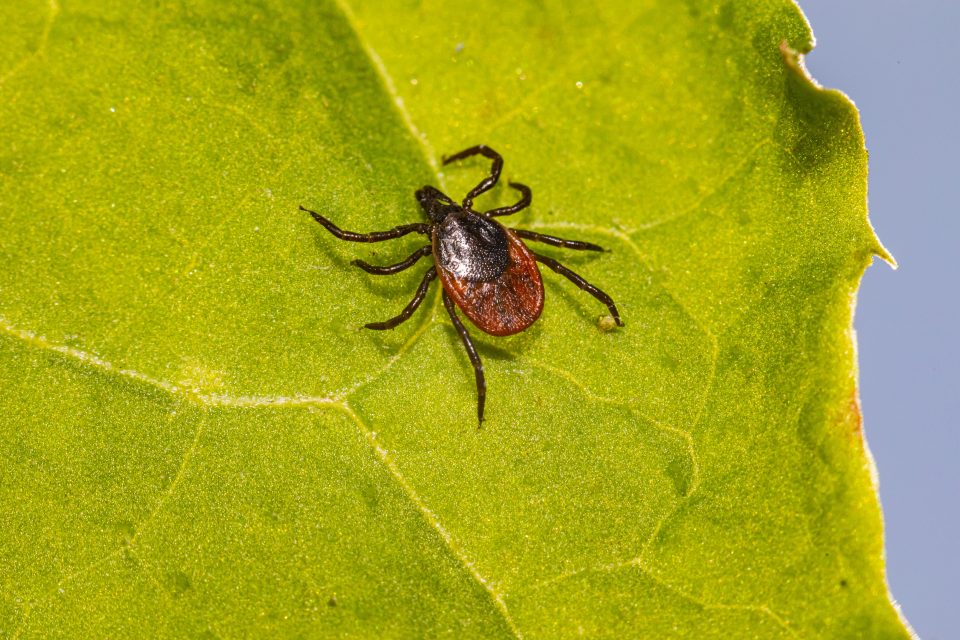
St. Clair County community encouraged to “Fight the Bite”
By The St. Clair County Health Department
As the weather warms up, the St. Clair County Health Department (SCCHD) is reminding residents to take steps to prevent tick and mosquito bites while enjoying the outdoors. Ticks can be active when the weather is above 40⁰F and the mosquito season is already underway.
“The best way to avoid mosquito- and tick-borne illnesses is to prevent bites,” says Steve Demick, Environmental Health Director at SCCHD. “Tick season has already started, so it’s important to check yourself regularly. If a tick is found, remove it quickly and monitor your health. See a doctor if you experience symptoms like fever, rash, or muscle and joint pain.

SCCHD is once again participating in the Vector-Borne Disease Surveillance Program this year, in partnership with the Michigan Department of Health and Human Services (MDHHS). SCCHD will collect and identify mosquitoes and ticks to help understand regional disease risk and contribute data to the statewide tracking system.
How to Prevent Mosquito Bites:
Use insect repellent and follow label instructions. Find the right repellant using the Environmental Protection Agency’s insect repellent search tool.
Wear long sleeves, shoes, and socks when outdoors.
Repair screens to keep mosquitoes out of your home.
Reduce mosquito breeding conditions by getting rid of standing water around home. Once a week, empty flowerpots, barrels, and other items that can hold water.
How to Prevent Tick Bites:
Use insect repellent with 20% or more DEET or other ingredients shown to be effective against ticks.
Wear long sleeves, shoes, and socks when outdoors.
Avoid wooded and bushy areas with high grass and leaf litter. Walk in the center of trails.
After being outside, check entire body for ticks-especially under arms, around ears, inside the belly button, behind the knees, between the legs, around the waist, and in the hair.
Bathe or shower as soon as possible after coming inside from outdoor activities.
Check pets and outdoor gear for ticks. Talk to a vet about tick prevention for pets.
What to Do If Tick Found:
Remove it with fine-tipped tweezers. Grip the tick close to the skin and pull straight out-don’t twist.
Clean the bite area and hands thoroughly.
Lyme disease risk is low if the tick was attached for less than 24 hours.
MDHHS Offers Free Tick Identification by Photo:
Residents can submit a tick photo for identification by emailing MDHHS-Bugs@michigan.gov and following the instructions in the “Got a Tick? Submit a Pic” informational flyer. Note: SCCHD and MDHHS do not test ticks for disease, as results cannot determine whether a person will get sick. Instead, watch for symptoms like rash, fatigue, fever, headache, or joint pain for up to 30 days after a bite or visit to a tick-prone area. Seek medical care if symptoms appear.
To learn more about the health department visit www.scchealth.co or follow us on social media @scchdmi.