

LA PAZ, June 21 (Reuters) – A day of fragile gains in Bolivia saw major protest roadblocks cleared for the first time in weeks on Sunday, but progress was overshadowed by the crash of a military support flight that killed six people, authorities said.
The country’s highways authority revises its tally of ongoing roadblocks to 28 after a series of breakthroughs with protesters, a day after President Rodrigo Paz declared a state of emergency to resolve a 50-day social crisis stemming from anti-government blockades that cut off key roads for weeks, stranded trucks and choked supplies of food, fuel and medicines to many areas.

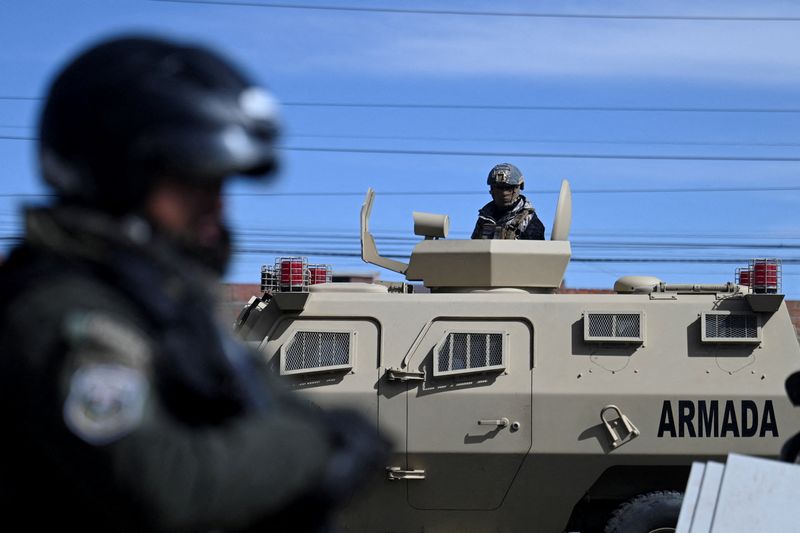
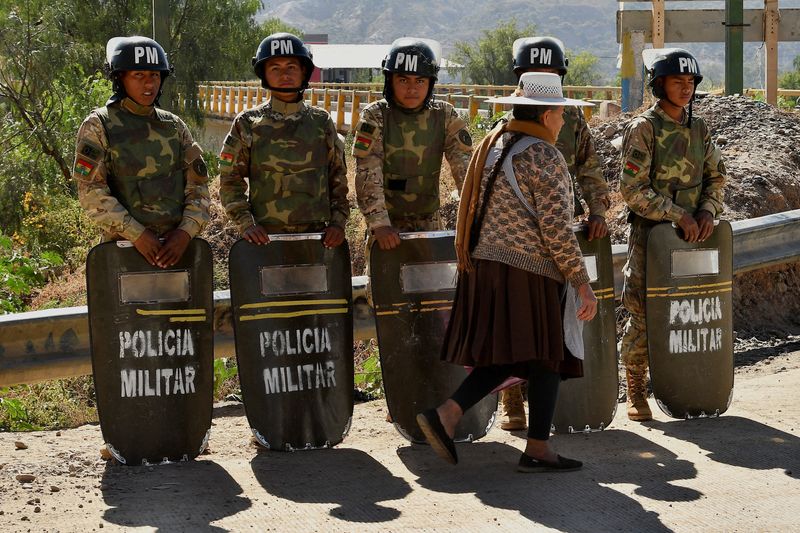
Earlier on Sunday, Bolivia’s Legislative Assembly overwhelmingly approved Paz’s decree, which aimed to restore transit and supply essential goods by enabling wider military deployment to clear blockades and prohibiting people from blocking roads and highways.
Sunday’s vote in Congress coincided with several breakthroughs. In Santa Cruz, officials and protest leaders signed an agreement to lift a critical blockade in the town of San Julian.
Meanwhile, the prominent Tupac Katari campesino federation in La Paz announced a pause in its protests, although it said the group’s demands still stood. The group’s demands include a mix of economic relief measures, the repeal of multiple government decrees, political and labor protections, and actions related to fuel quality.
However, the day was marked by tragedy when an air force jet on an assistance flight, headed to Cochabamba from the city of El Alto, next to La Paz, crashed and killed all four civilians and two crew members aboard, the defense ministry said in a statement.
The Cessna FAB-409 was found in a remote mountain area in the high Andes of Cochabamba department, west of the city of Cochabamba, the ministry said, without identifying a cause for the crash.
The ministry did not give details on the jet’s current mission, but said the plane had in recent weeks been used to transport children suffering from cancer to treatment centers during the blockades.
Many of Bolivia’s roads require significant cleanup and repair from damage sustained during the protests.
Many of the protesters are allied to former leftist President Evo Morales, who on Sunday said on social media that the Tropic of Chochabama, a tropical agricultural region in central Bolivia and a political stronghold for his movement, was experiencing power outages, disruptions to telephone service, and restrictions on banking services.
The unrest erupted initially in response to Paz’s abrupt move to slash long-standing fuel subsidies to reduce the budget deficit amid a deepening dollar crunch and ongoing talks with the International Monetary Fund over a rescue deal.
Despite later steps to stabilize fuel prices and reverse unpopular land reforms, protests intensified, with unions demanding wage increases, an end to fuel and dollar shortages, and Paz’s resignation.
(Reporting by Daniel Ramos; Editing by Mark Porter)
By Reuters | Reuters | © Copyright Thomson Reuters 2026.
