PANAMA CITY— The initiative to reopen a second pass into St. Andrews Bay has passed another hurdle.
The current entrance into St. Andrews Bay was cut by the U.S. Army Corps of Engineers in 1934. Before then, a chain or constantly-shifting barrier islands dictated whether there was one pass, two, three or four.

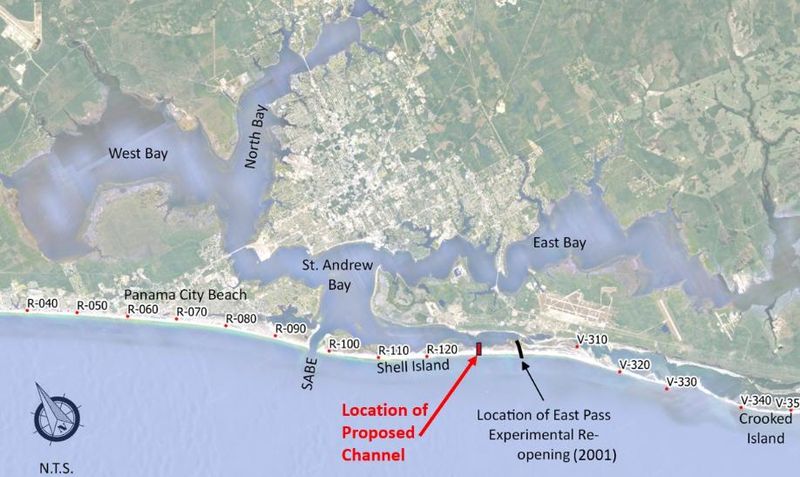
Once the current inlet was cut, many of the islands either sank or merged, leaving two open passes into the bay. East Pass, the second entrance, was not maintained and closed naturally in 1998. An experimental East Pass was cut in 2001 but closed naturally in 2003.
Interest in creating a new, permanent East Pass has been circulating among local municipalities over the past several years. The most recent action on the project was on June 2, when the Bay County Commission voted to fund a seagrass study as part of a larger feasibility study for the project.
The study cost $183,750 and is expected to come from Triumph Gulf Coast funds, the money given to Florida governments after the 2010 Deepwater Horizon Oil Spill.
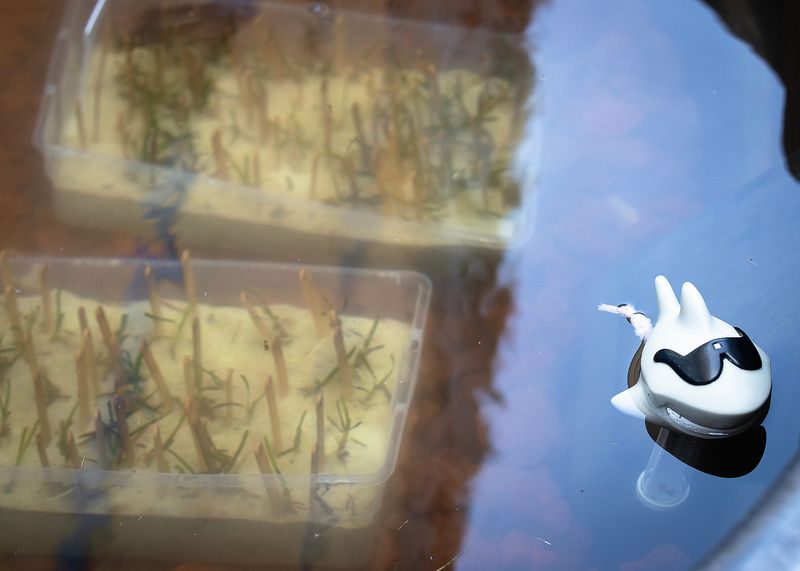
Seagrasses provide an ample amount of environmental services in St. Andrews Bay. It absorbs nutrients that could otherwise lead to algal blooms, serves as a nursery for marine life, and helps keep the water clear by reducing turbidity.
That being said, any effects to seagrasses will have to be considered with the dredging of a new pass. It was one of the requests for additional information made to the county by the Florida Department of Environmental Protection.
According to Keith Bryant, Bay County’s deputy county manager, they have to complete these requests before any permits are approved for the new pass.
“The main goal of the county for opening East Pass would be a water quality improvement for that area,” said Bryant. “The problem now is East Pass is kind of landlocked, water gets pushed in that area and becomes stagnant.”
Bryant says the area near the pass has far fewer oysters or scallops than it used to, and that the increased salinity and tidal action from allowing more Gulf waters in could benefit their population.
In past reporting by the News Herald on water quality issues in the bay and the potential impacts of a new pass, one of problems the St. Andrew and St. Joseph Bays Estuary Program had brought up were sanitary sewer overflows.
Bryant said much of those come from facilities owned by local cities and are outside of the county’s control; however, they’re working to help improve water quality in other ways.
“When you get a large rain event, the dirt roads wash into the adjacent stormwater systems, which go into the bay, and you get nutrients coming in from that road,” said Bryant. “We have requested restored Triumph funds to pave a lot of these dirt roads adjacent to water bodies.”
Bryant also pointed out that they’ve assisted in living shoreline projects and reefs.
Outside of environmental reasons, Bryant also says one goal of the pass is to encourage boater safety.
“You get a weird mixture of very small recreational boating, and then you get the large ships coming into the port,” said Bryant. “We also agreed that opening East Pass would give it another egress for smaller boats.”
A website for the project says the preferred alternative from a draft feasibility study conducted involves a ten-foot deep channel that is 650 feet wide and is located 5.5 miles East of the current entrance to the bay.
The website says the project would likely bring clearer waters and encourage seagrass growth at the East end of the bay.
Conservationists have previously criticized the proposed pass, citing potential adverse impacts on wildlife and an increased human presence on the surrounding section of Shell Island.
While they weren’t opposed to the idea of a new pass in general, they advised that there were many factors that weren’t considered and that other plans for the pass that would have had less impact on wildlife were tossed aside largely for cost reasons.
This article originally appeared on The News Herald: Bay County clears another hurdle in reopening second pass into bay
Reporting by Dylan Gentile, Panama City News Herald / The News Herald
USA TODAY Network via Reuters Connect
By Dylan Gentile, Panama City News Herald | USA TODAY Network