Last week I attended university orientation with my son. It reminded me of the lyrics to the Ohio State alma mater about “time and change.” There are still some constants on Ohio State’s campus, even since my dad was there in the 1960s. There is plenty of change as well. Especially the cost of attending college.
I came across an article from “Ohio State University Monthly” from September 1960. An Office of Education study showed for a student graduating in 1940, it was around $2,700 to attend a state university four years. At that time, the median home value in Ohio was $3,500 and average yearly income was $1,300. So, attending college on an annual basis cost roughly 50% of the median income.

By 1960, the cost jumped to $7,500 for four years of college. However, the median home value at that time was $13,400 and median income was about $12,000. Attending college at Ohio State on an annual basis cost only 15% of the median income.
Currently, the median sale price of a home in Ohio is $250,000 and median individual income is $48,000. (That’s a whole other discussion itself.) For tuition and room and board at Ohio State, a student beginning this fall will pay about $123,000 for four years. That equates to 64% of the median income on an annual basis.
I am incredibly grateful for the generous people in our local communities who give scholarships to help our young people achieve their college and career goals. Even with several partial scholarships, most families find themselves with a huge goal before them to assist their son or daughter in paying for schooling to reduce potential college debt.
The statistics are surprising. According to the Association of Public and Land-Grant Universities, more than 40% of students complete their bachelor’s degree with zero debt. Among those who borrow, average debt at graduation from a public university is $27,420.
A 529 savings plan is one option to save for college. The money grows tax-free and remains tax-free when spent on qualifying expenses like tuition for college or trade schools or other educational opportunities. This has better growth potential than a typical savings account and offers Ohio tax deductions.
Like every kind of savings, starting early is the key. That can be challenging for young parents. Things that seem so important to purchase when your children are young do not seem nearly as significant when you sell them in a garage sale a few years later. A current preschooler has an estimated college cost at an Ohio public four-year institution of $185,000.
This is where Grandma and Grandpa could enter the picture, if they are able. Grandparents can open a 529 account with their grandchild as the beneficiary and contribute to it as they wish. There is a calculator at collegeadvantage.com to look at various savings scenarios. If a grandparent would contribute $75 a month to a grandchild’s 529 account for 17 years, this would be $15,300 of contributions growing to an estimated savings of $27,000 − equal to the current debt for a public university graduate.
It is so tempting to buy that cool toy or video game to add to their collection. But maybe you want to give something of more lasting value that will help reduce the potential school debt for your grandchild in their future. They might not think you are the coolest when they are 8, but when they are 28 they will think you are the best.
Today, I’ll leave you with this quote from Jean Chatzky: “By definition, saving for anything requires us to not get things now so that we can get bigger ones later.”
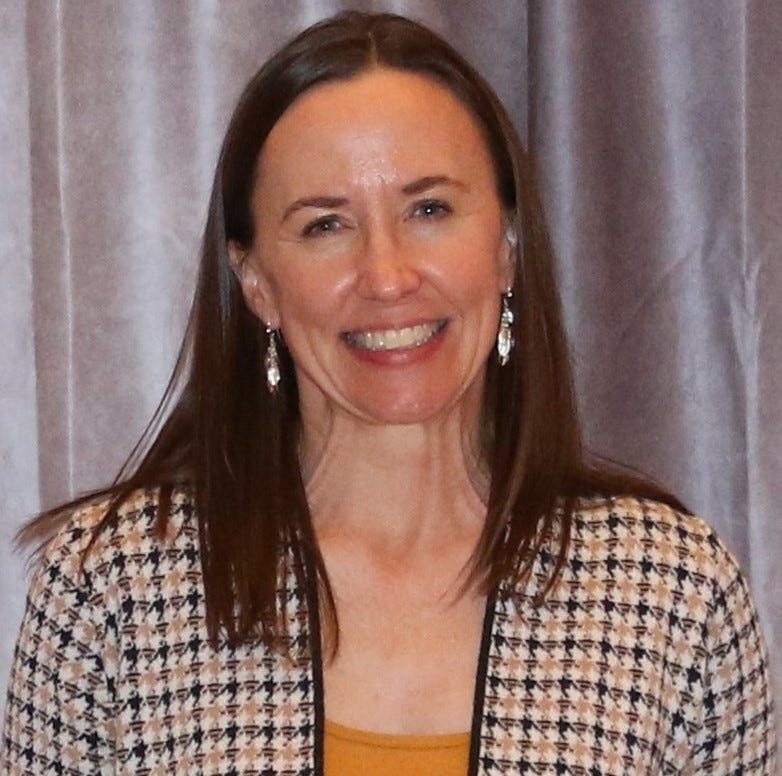
Emily Marrison is an Educator, Family and Consumer Sciences and Assistant Professor for Ohio State University Extension in Coshocton County. She may be reached at 740-622-2265 or marrison.12@osu.edu.
This article originally appeared on Coshocton Tribune: Saving for college more difficult for families now than in years past
Reporting by Emily Marrison, Special to the Tribune / Coshocton Tribune
USA TODAY Network via Reuters Connect
By Emily Marrison, Special to the Tribune | USA TODAY Network