The United States of America turns 250 years old on July 4, 2026, a time for Rochester-area residents to celebrate and reflect and in some cases perhaps even protest.
The occasion of the semiquincentennial might not be quite the red, white and blue extravaganza that marked the bicentennial year in 1976; America reaches this occasion at a time of intense political polarization and deep concerns about affordability and new technologies like artificial intelligence.

Still, coming days and weeks create opportunities to learn more about our nation and its people and its history, including by visiting historic sites across western New York and elsewhere in New York. And for many, the July 4 weekend is an opportunity to attend parades and fireworks spectaculars in our towns, villages and cities.
Want to learn more? The Democrat and Chronicle has you covered.
What makes this July 4 different
OK, the word “semiquincentennial” doesn’t exactly roll off the tongue. To dissect it, start with the fact “centennial” refers to a hundredth anniversary. So 1976’s bicentennial began with “bi,” meaning two. So we celebrated that year two centennials, or the country’s 200th anniversary.
For this year’s 250th, the “semiquin” stems from Latin and amounts to “one-half of five.” Tack on the “centennial,” and we have one-half of 500, or our country’s 250th anniversary.
Whatever the Latin or the numeral, Americans have a real opportunity to look back at America’s, New York’s and Rochester’s rich history in all of its glory and complexities. Our biggest cities are giving visitors reasons to visit and celebrate, including the upcoming parade of Tall Ships on the Hudson River and in New York Harbor. Philadelphia, Boston and Washington are among other historic cities geared up for the occasion.
In upstate New York, one can visit Saratoga National Historical Park, site of the 1777 battle that turned the American Revolution, or the Women’s Rights National Historical Park in Seneca Falls, where courageous women stood tall in 1848 to ask for the many rights that had been denied them, including the right to vote.
America is made up of its people and its communities. Some people, like Susan B. Anthony and Frederick Douglass and George Eastman, help change the world. Some communities, like any local place along the Erie Canal, came to life because of innovation and industriousness and have evolved in fascinating ways in the decades since.
America’s 250th comes at a time when Republicans and Democrats are more fiercely opposed to each other than ever, at a time when the actions of President Trump have spurred large protests such as the No Kings movement, at a time when the news headlines about Iraq and inflation and ICE can seem overwhelming.
Yet our country had significant challenges at age 50 (1826), age 100 (1876), age 150 (1926) and age 200 (1976). It no doubt will have challenges at age 300 (2076). Americans debate and work and learn and improve and stand up for rights and for their future in any age.
This age, at the time of the semiquincentennial, is ours.
Where to celebrate
Top celebrations
Fireworks
Parades
Festivals
Only here in Rochester
What makes celebrating here uniquely American?
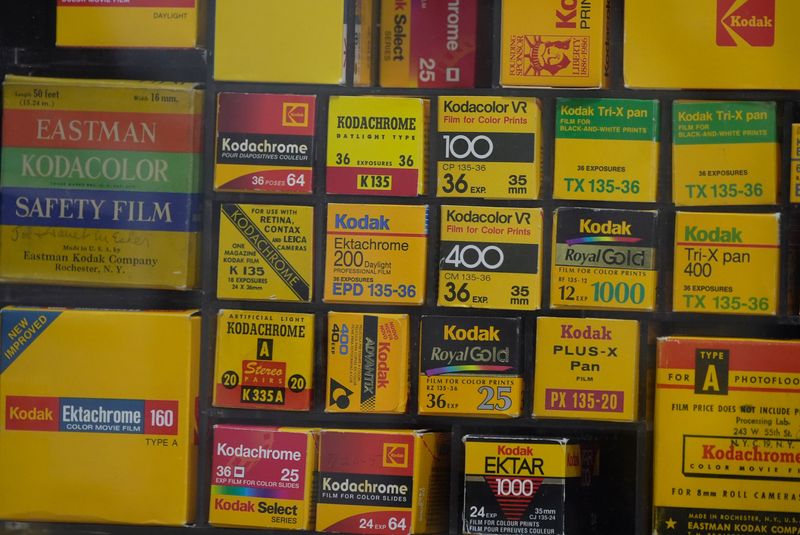
Rochester as engine of commerce: From the advent of the Erie Canal 201 years ago and the rise of flour mills, through the 120 or so years when Eastman Kodak became a dominant company, employer and cultural force, to the Rochester of the 2020s whose economy has diversified, civic pride locally in industrial and entrepreneurial accomplishments stands tall.
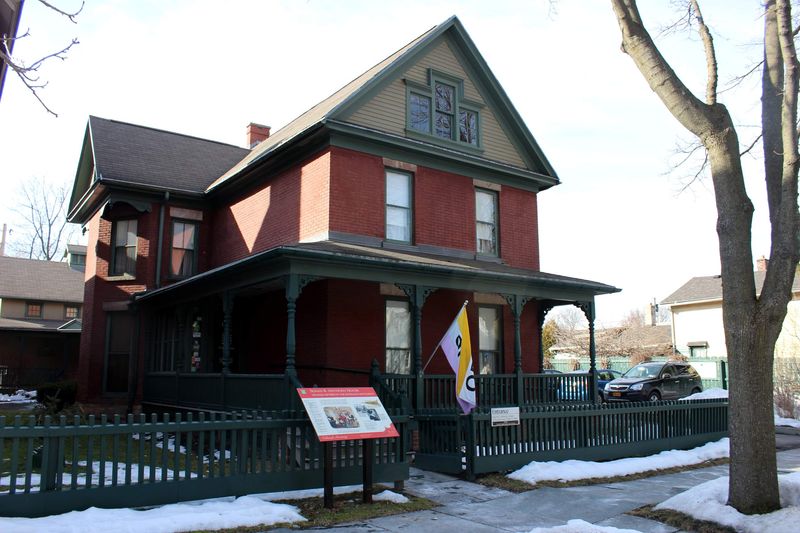
Rochester as a historic bastion of social justice: Ours is a city where abolitionist leader Frederick Douglass published a newspaper and gave vital speeches promoting human rights. Ours is a city where suffragist Susan B. Anthony became a national impetus in gaining women the right to vote. Looking here for 2-4 short summaries, embedded video and strong visuals. And today, numerous residents and communities of faith strive to end racism, reduce property and assert the rights of immigrants, refugees and other members of marginalized communities. That is a history that’s helped change and advance America.
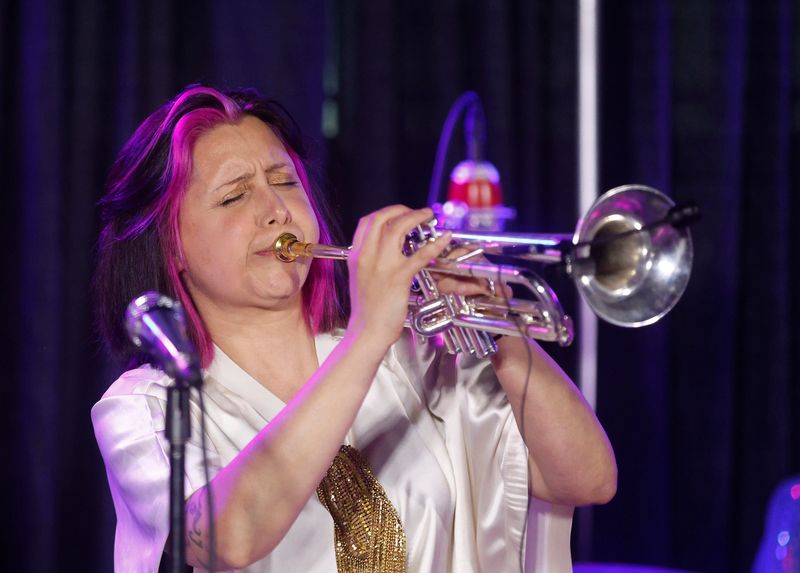
Rochester as an incubator of the arts: From the Eastman School of Music to the Rochester Philharmonic Orchestra to museums galore, musicians and artists and creative spirits have longed thrived here, supported by an age-old tradition of generous philanthropy. This is exemplified by summer festivals including the Rochester International Jazz Festival and Fringe Festival.
America 250 history in western New York
Long before European explorers and settlers came to what is now upstate New York, the people of the Haudenosaunee Confederacy lived here.
The first known encounter between members of the Seneca Nation and Europeans came in 1669, when René-Robert Cavelier, Sieur de La Salle, sailed into Irondequoit Bay with a fleet of nine canoes, as the Democrat and Chronicle’s Justin Murphy reported on the 350th anniversary of the occasion.
“While he had three priests in his party, La Salle’s motive was commercial and imperial,” Murphy wrote. “France was anxious to stake its claim in western New York.”
In 1687, another Frenchman, Jacques-René de Brisay de Denonville, attacked the Seneca.
“Denonville’s party barely escaped with their lives but managed to destroy an estimated 1.2 million bushels of corn, the Senecas’ supply for that winter,” Murphy wrote of the tragic encounter that wound up making the Senecas the ally of the British instead of the French.
By 1776, when American colonists declared their independence from Great Britain, the primary residents of central and western New York remained members of the Haudenosaunee Confederacy, including, besides the Senecas, the Cayugas, the Onondagas, the Oneidas, the Tuscarora and the Mohawks.
Some Native Americans sided with the British, including the Senecas, and others with the colonists, including the Oneidas. The divisions among the nations played out fiercely at the Battle of Oriskany in August 1777 between what are present-day Rome and Utica.
The American colonists took out a campaign of retribution against the Senecas in the bloody Sullivan-Clinton campaign of 1779.
After the Revolutionary War, a series of treaties with nations of the Haudenosaunee and land grants to war veterans wound up dispossessing Native Americans of their places of residence and opening up central and western New York to settlement.
The opening of the Erie Canal in 1825 sped up the region’s transformation into an area of booming mill cities and soon places of large industry.
Best local food, drink and traditions
It is impossible to look at Rochester history without considering all the food and drink innovations made here since the 19th century.
Democrat and Chronicle food and drink reporter Tracy Schuhmacher details a number of these tasty and delicious innovations:
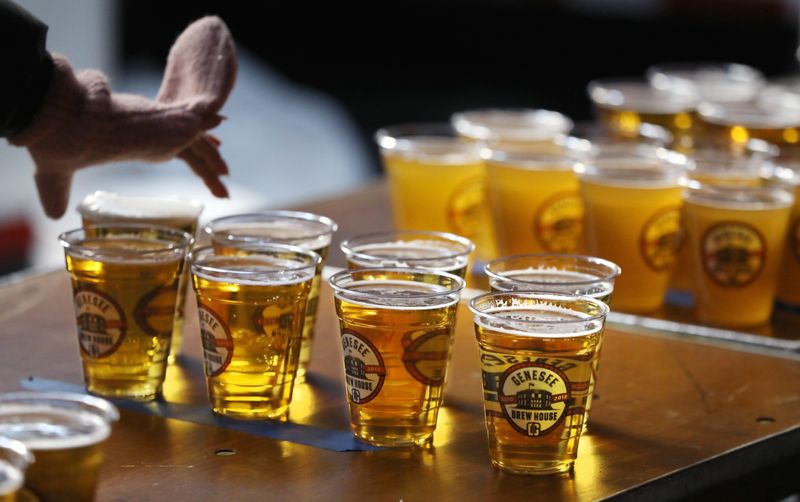
Genesee Brewing: Charles Rau started the Rau & Reisky Brewery, which was renamed Reisky & Spies, on St. Paul Street in 1857. Mathius Kondolf bought the brewery and renamed it Genesee in 1878.
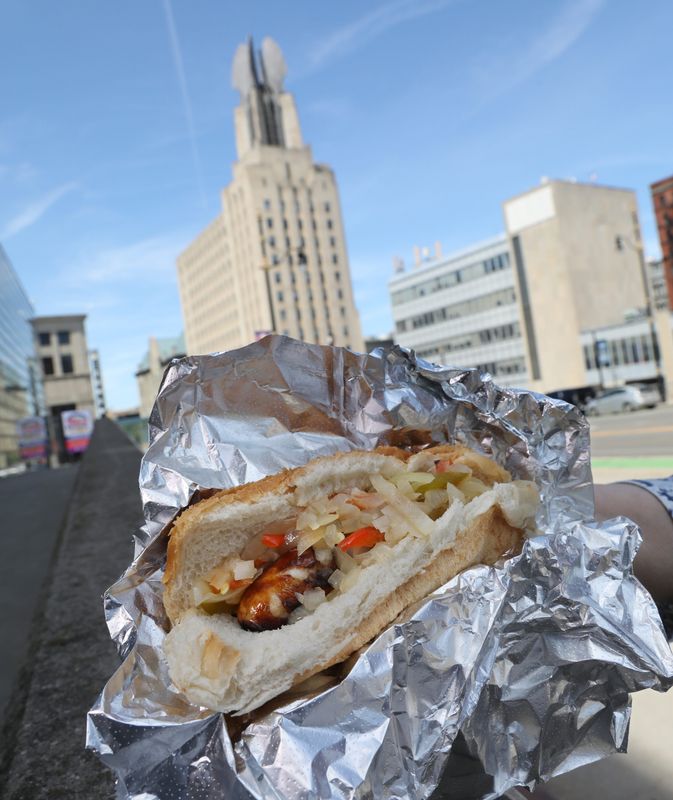
White hots: In 1880, C. Wilhelm and Josephine Zweigle opened a small butcher shop that sold German meats and sausages at the corner of Joseph Avenue and Kelly Street in Rochester. It wasn’t the first shop to produce white hots, according to the city and county’s RocHistory blog; that distinction belonged to The Ottman Brothers. The German recipe was made from pork, beef and veal (and, back in the day, stale white bread); the meats were uncured and unsmoked, giving the sausage its distinctive color.
French’s mustard: Robert Timothy French and his sons moved their family company to Fairport in 1883. When it burned a year later, they moved the company to Rochester to take advantage of power generated at Brown’s Race near the Upper Falls. The company concocted French’s Cream Salad Mustard, a smooth, creamy bright yellow mustard. In 1904, French’s sons took it to the St. Louis World’s Fair and it was a hit. Sales were even better when the French brothers linked their mustard with baseball, which is why the pennant on the label was added in 1915.
Jell-O: Pearl B. Wait, a patent medicine maker, invented Jell-O 1897 in Le Roy, Genesee County. His wife, May, come up with the catchy name that has endured over time. But the name alone wasn’t enough to make the product a success and in 1899, Wait sold the formula to Orator Francis Woodward, his neighbor, for $450. By 1906, sales had reached $1 million thanks to savvy advertising and marketing.
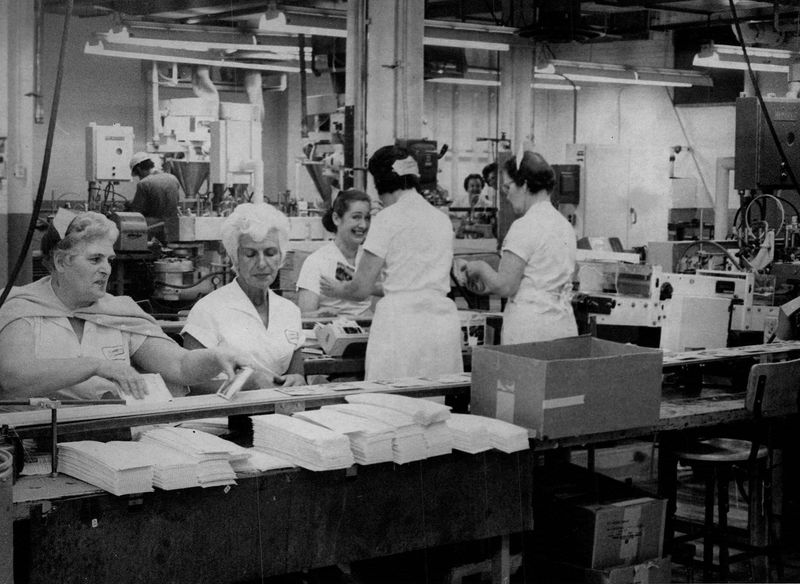
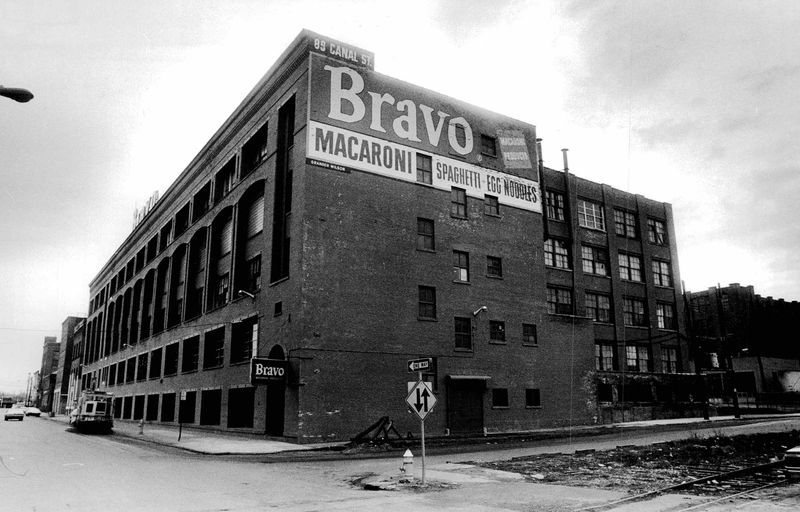
Bravo Macaroni Co.: The Bravo Macaroni Co. was a Rochester business that made pasta in “65 different shapes,” as well as the tiny noodles that were used in Lipton soups. The company dated back to 1910, when Italian immigrants Alfonso and Antonio Gioia went into the macaroni business in Fredonia. The firm expanded into Rochester five years later; by 1920 it was one of nine macaroni manufacturers in the city.
Wegmans: Wegmans got its start in 1916 when John Wegman opened the Rochester Fruit & Vegetable Co. His brother, Walter, joined him as a fresh produce pushcart peddler a year later. Its first store opened at 72 West Main St. in 1917 and has grown to more than 110 stores across nine states. Together they employ more than 53,000 people and do $12.5 billion in annual sales, according to the Wegmans website.
Places everyone should see
With the nation’s 250th anniversary underway, there’s no better way to celebrate America’s history than a road trip to places that helped shape it. Some ideas:
Great Lakes sites: Numerous parks dot the five Great Lakes. One only several hours from Rochester in northwest Pennsylvania is Presque Isle State Park. “Presque Isle State Park, just four miles west of downtown Erie, is Pennsylvania’s only “seashore” park, according to the Pennsylvania Department of Conservation and Natural Resources. A 3,200-acre sandy peninsula that arches into Lake Erie, the state park draws around 4 million visitors annually,” the D&C’s Victoria Freile reported recently.
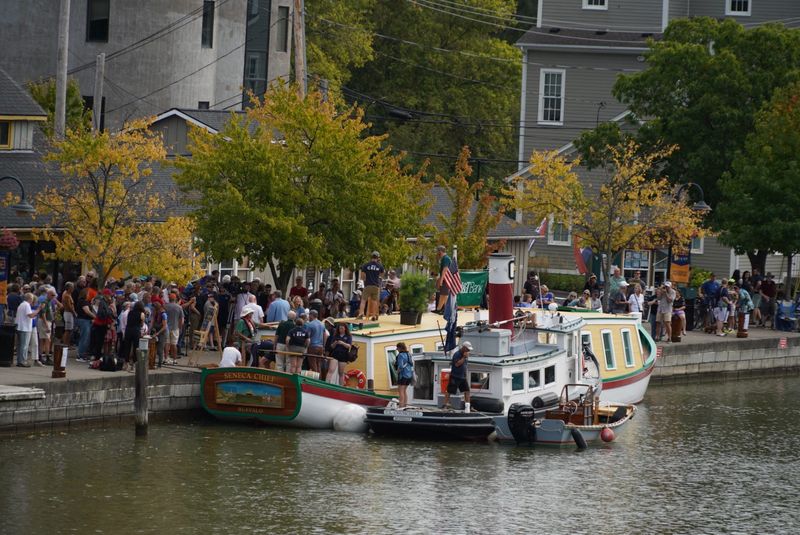
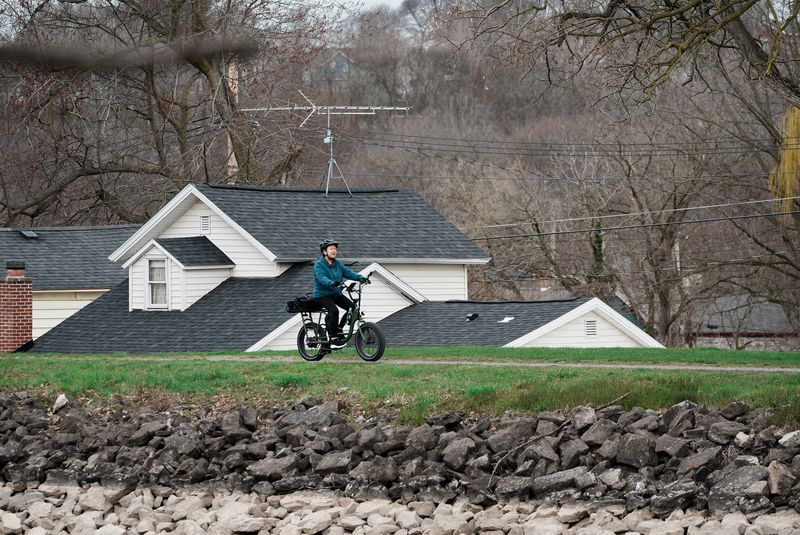
Erie Canal: The Erie Canal is a historic waterway that eventually connects to the Atlantic Ocean and its burgeoning cities and ports to the Great Lakes system. It was built between 1817 and 1825 and stretches 363 miles from Albany to Buffalo. The canal, considered a great engineering marvel, transformed New York and made transporting goods easier and cheaper. Today, many use the waterway for recreation, typically by kayak or boat, and visit historic canal towns along it. Communities worth a visit: Lockport, Brockport, Fairport, Canastota and Little Falls.
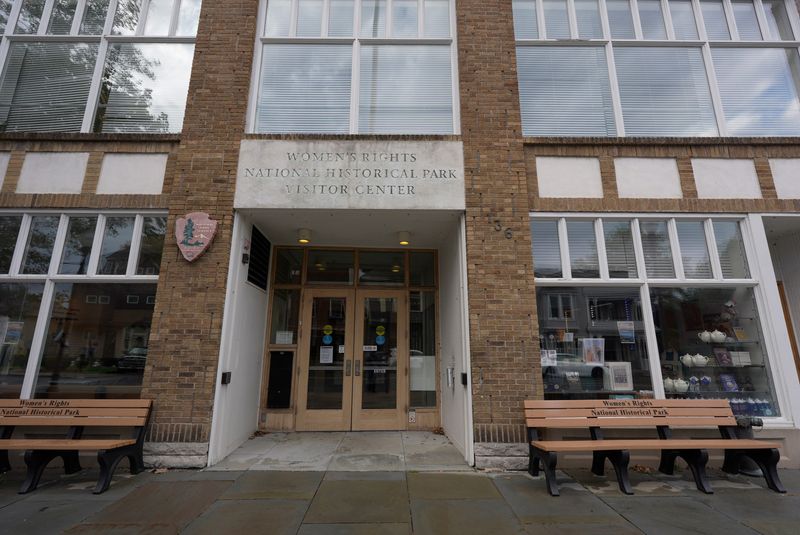
Women’s Rights National Historical Park: Women’s Rights National Historical Park is located in Seneca Falls and Waterloo, in New York’s Finger Lakes region. The park tells the story of the first Women’s Rights Convention in 1848 and is made up of six spots between the two cities. including the Wesleyan Chapel, where the first convention was held, and the homes of some of the convention organizers and first wave of activists, as well as a museum and park.
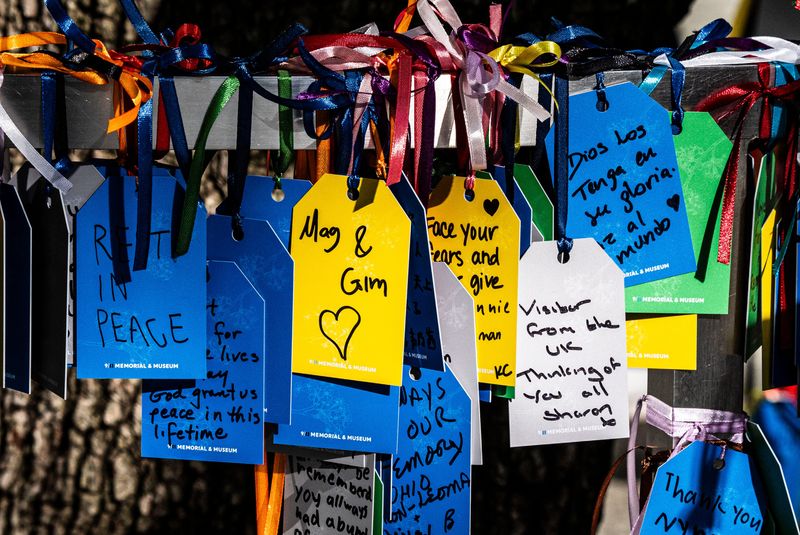
9/11 Memorial and Ground Zero tour: The 9/11 Memorial and Museum in Lower Manhattan remains one of the city’s most emotional and meaningful destinations. The memorial’s twin reflecting pools sit where the World Trade Center towers once stood, with the names of victims etched into bronze panels surrounding the waterfalls. Nearby, the museum documents the Sept. 11, 2001, terrorist attacks and the city’s recovery,” the Westchester Journal-News’ Alexandra Rivera reports.
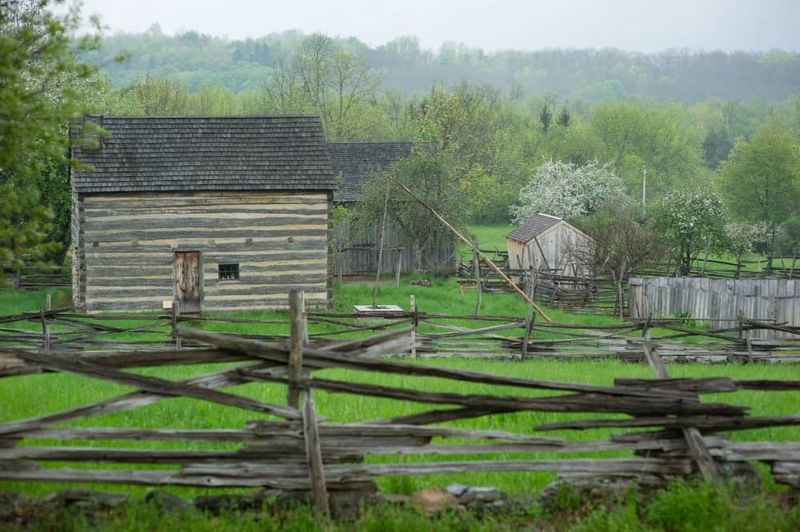
Genesee Country Village and Museum: “In the spirit of this celebration the Genesee Country Village and Museum in Mumford, New York will be holding several events and will also honor their own 50th anniversary of being open to the public. The Genesee Country Village and Museum is a living history museum featuring a nature center and a gallery,” the Democrat and Chronicle’s Kerria Weaver reports.
This article originally appeared on Rochester Democrat and Chronicle: How Rochester will celebrate America’s 250th birthday
Reporting by Scott Norris, Rochester Democrat and Chronicle / Rochester Democrat and Chronicle
USA TODAY Network via Reuters Connect
By Scott Norris, Rochester Democrat and Chronicle | USA TODAY Network