A New City rabbi has launched a federal civil rights suit against the town of Clarkstown, members of the town council and the town’s Zoning Board of Appeals, claiming discrimination under the Religious Land Use and Institutionalized Persons Act, known as RLUIPA.
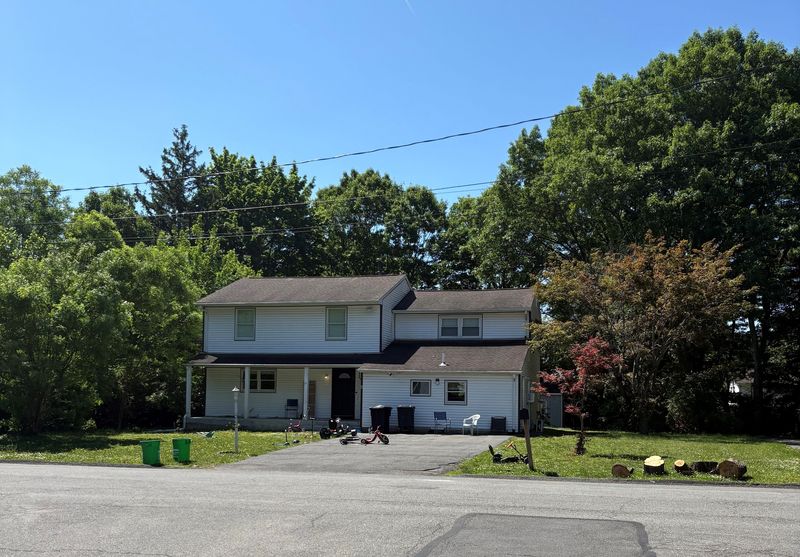
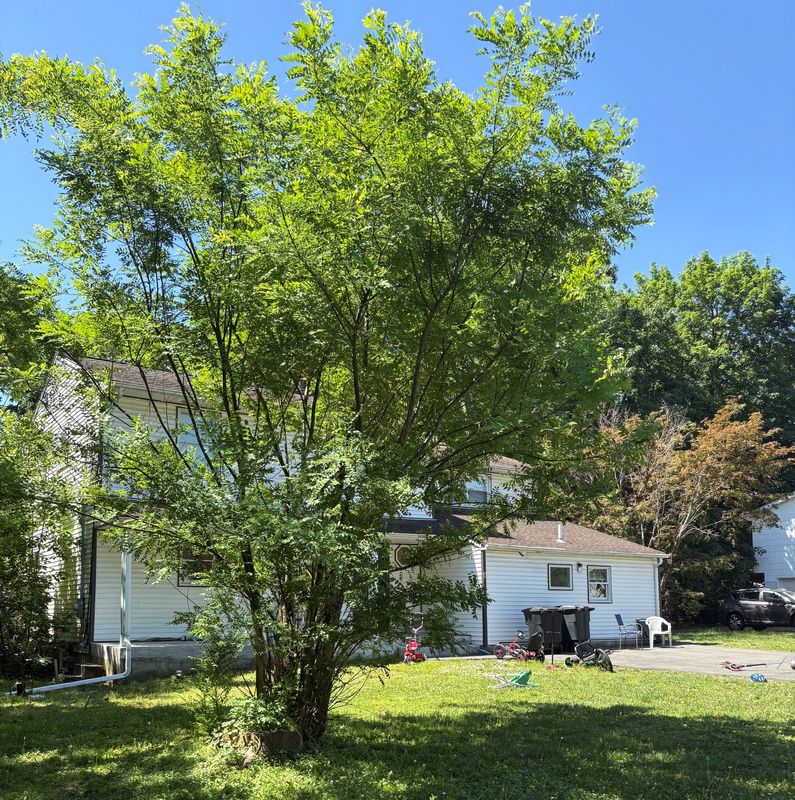
Rabbi Naftali Horowitz, who owns a single-family home in New City, alleges that the town’s zoning board of appeals inappropriately rejected his variance request.

The expansion, Horowitz and his counsel, Savad Churgin of Nanuet, say is needed to allow his free exercise of religion. By denying Horowitz needed variances, the suit asserts, the town and its boards stopped Horowitz from “being able to adequately engage in communal prayer activity in his home.”
The lawsuit seeks to force the ZBA grant a variance for Horowitz’s home and award him legal fee reimbursement and compensatory damages.
It also seeks to overturn a town law, instituted in 2016, that restricts houses of worships’ location to town and county roads.
Lawyers for Horowitz did not immediately return requests for comment. A Clarkstown official said the town would not comment on pending litigation.
How the rabbi’s home would be changed
Horowitz invites Orthodox Jews to pray on the Sabbath in his home, the lawsuit states, because there is no shul that is walkable nearby.
Prayers take place on various times and days, including the weekly Sabbath and holidays when observant Jews do not drive. These prayers require a minyan, or 10 adult men. Families also frequently attend, including small children. The lawsuit says 20-25 adults often attend these prayer gatherings.
Horowitz submitted his application to the Zoning Board of Appeals in 2025. The application stated that the rabbi resides in the single-family home full time and the application was for an addition to the home.
The proposal was for a 1,447 square foot gathering area to be added, which included changes to the first floor, and a bathroom and private mikvah, or ritual bath, added to the basement.
The variance would exceed maximum developable property coverage from 23% to 37.8% and reduce parking to one space from two and reduce the side yard space from the town’s minimum 20 feet to 14.9 feet.
Horowitz’ complaint said the home’s current layout of the home does not accommodate the number of people or provide the kind of space needed. The complaint also states the nearest mikvah is in Ramapo, which impedes religious practice for those in the New City neighborhood.
Hostility toward Orthodox Jews alleged
A public hearing was slated for four months later, in November. That, Horowitz’s lawyers asserted, is an unusual delay.
During the Nov. 10 ZBA public hearing, questions came up, including whether granting this variance would mean the ZBA would then have to grant similar ones.
The board also questioned if this was really a change in use, from a home to a place of worship. This is why the RLUIPA suit also targets the town’s 2016 zoning change that restricts where places of worship should be located.
The complaint said Horowitz’s lawyer tried to get a continuance of the public hearing to work on compromises, but the board denied the request.
The board then voted unanimously to reject the variance request. The complaint asserts Horowitz was treated “differently and worse than other applicants.”
The lawsuit said the zoning law change occurred “against a backdrop of hostility and discrimination against Orthodox Jews in the Town.”
That included comments on social media.
Also cited: The town’s 2020 purchase of Grace Church in Nanuet that a girl’s yeshiva was trying to purchase. The yeshiva sued and the federal suit was settled in 2024 with the town paying $200,000. The property is now slated to become affordable senior housing.
What is RLUIPA and why it looms large in Rockland
The Religious Land Use And Institutionalized Persons Act was adopted and signed into law in 2000.
The law, along with the New York State Constitution, gives greater leeway to religious rights when the issue is zoning. Designed to protect the free exercise of religion, RLUIPA’s protections are designed to ensure land-use laws aren’t weaponized to block the building of houses of worship.
RLUIPA has been criticized as more a sword than a shield.
Over the years, RLUIPA legal actions have been taken against Rockland County communities accused of trying to block the influx of Hasidim and Orthodox Jews through strict zoning. Actions have been taken by individuals, religious organizations and the U.S. Justice Department, which has sued municipal land use and zoning decisions in Rockland too.
Those villages have faced the high costs of litigation.
There have been pushes for Congress to reform RLUIPA. No such actions have been taken nor do any appear to be planned.
This article originally appeared on Rockland/Westchester Journal News: RLUIPA lawsuit hits Clarkstown over rabbi’s zoning variance rejection
Reporting by Nancy Cutler, Rockland/Westchester Journal News / Rockland/Westchester Journal News
USA TODAY Network via Reuters Connect