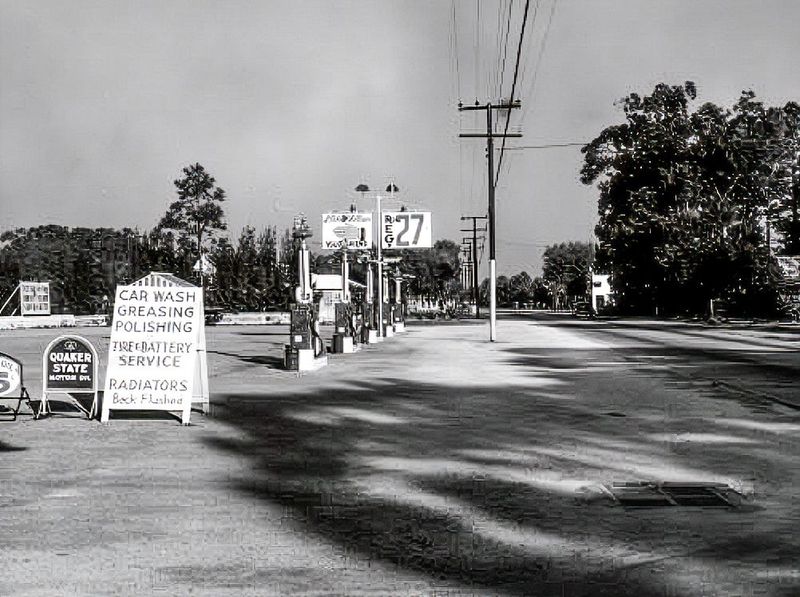
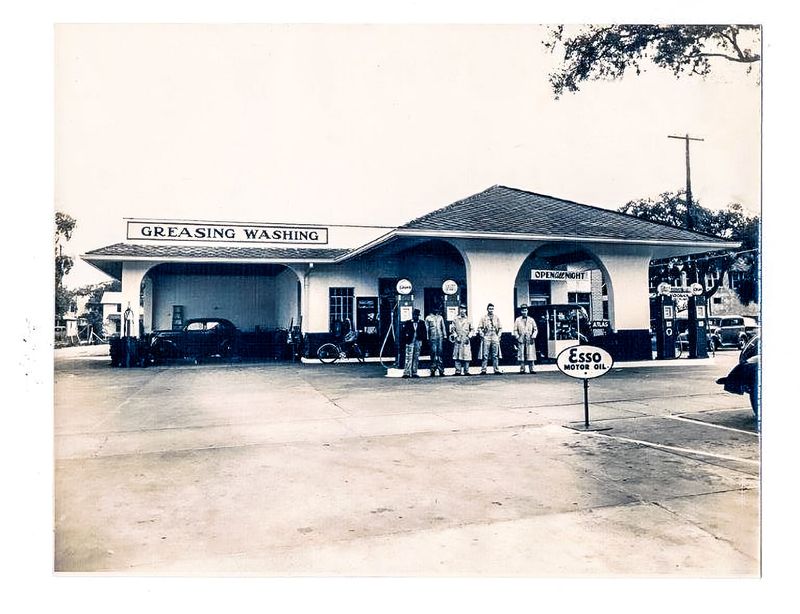
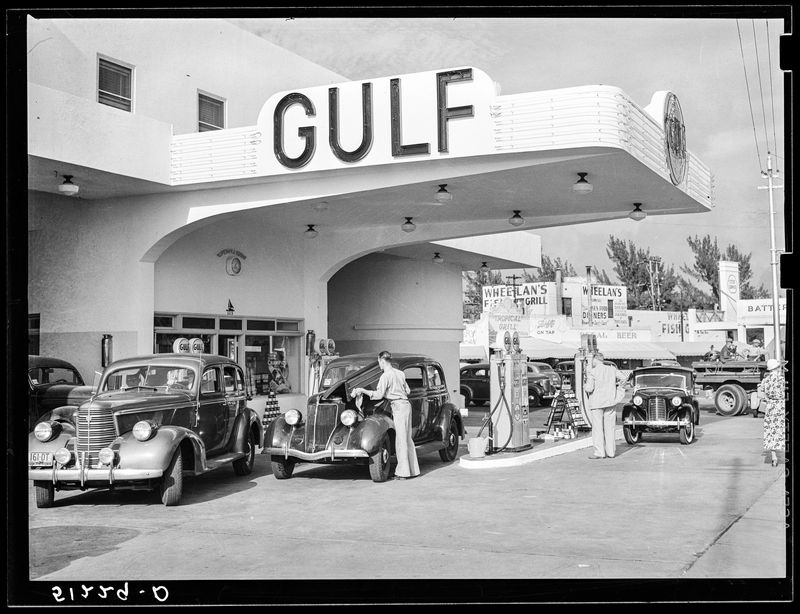
With gas prices averaging above $4.50 a gallon, motorists are again scrutinizing the gas-price signs by the roadside, looking at gas stations more closely and maybe comparing the places where they pump with what they remember in earlier gas-spike days.

‘Tin can’ tourism and the rise of gas stations in Florida
The first dedicated, drive-in-and-fill-up gas station opened in Pittsburgh in 1913, run by Gulf Refining Co. In Florida, with the opening of the Dixie Highway and the rise of “tin-can” tourism, gas stations began dotting the landscape in a major way by the 1920s. Tin-can tourists were tourists who traveled by car and often slept in cars and at the camps that welcomed camping drivers.
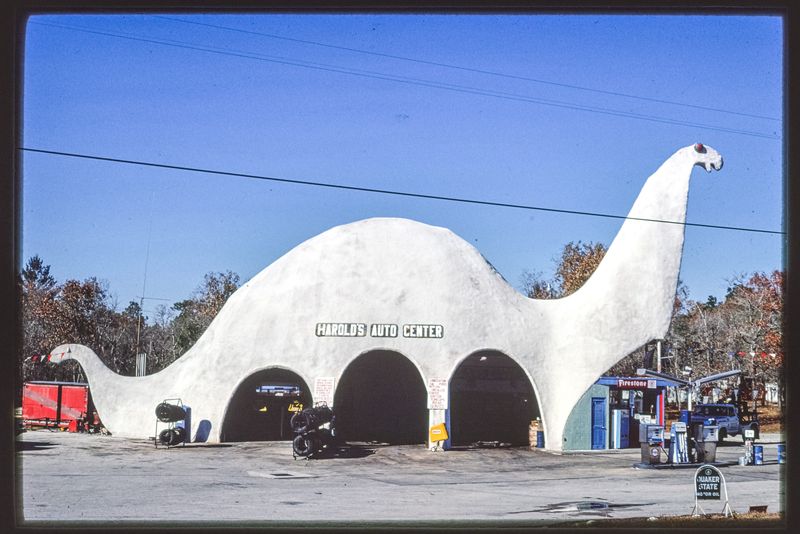
Service stations got more elaborate by the 1930s and 1940s, with uniformed attendants and mechanics on duty. In pre-interstate highway days, some stations attracted motoring tourists with elaborate architecture — most notably Sinclair Oil’s giant dinosaurs — and with orange juice stands, gator pens and souvenir shops.
The stations of today vie to be the biggest but don’t seem nearly as memorable.
This article originally appeared on The Daytona Beach News-Journal: Florida, Daytona fill up in this historical look at gas stations
Reporting by Mark Lane, Special to The News-Journal / The Daytona Beach News-Journal
USA TODAY Network via Reuters Connect