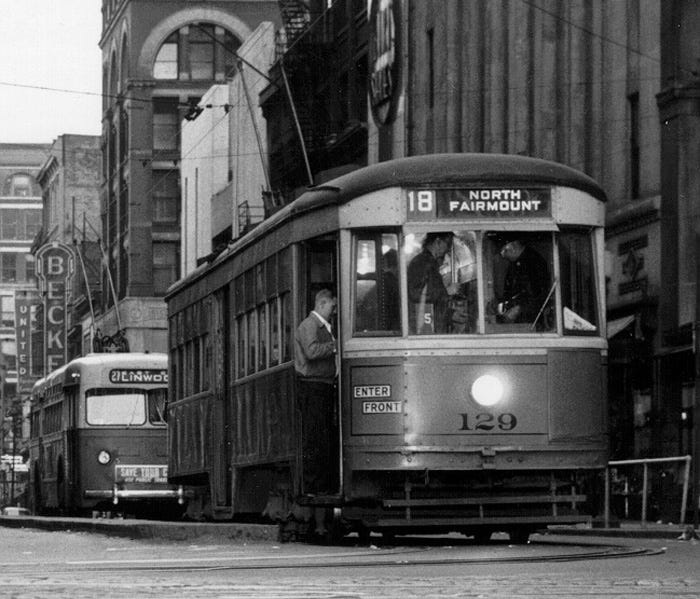
What was thought to be the last streetcar in Cincinnati went out of service 75 years ago.
The orange and cream streetcars and yellow PCC cars transported their final passengers just after midnight April 29, 1951.

A lifetime passed before another streetcar glided down the streets of Cincinnati. After a 65-year hiatus, the electric-powered Connector streetcar began service Sept. 9, 2016, along a 3.6-mile loop from the riverfront to Findlay Market.
Electric streetcars once crisscrossed Cincinnati in a network that gave riders access to every corner of the city, from Cheviot to Madisonville.
The streetcar routes were gradually converted to buses – either motor buses or trackless trolley buses powered by electric wires.
“Maneuverable buses, quieter on their rubber tires, are to replace the track-bound streetcars,” The Enquirer reported at the time, giving reason for the change.
Cincinnati Post city editor James Allen described the conductor putting away the last streetcar in 1951.
“Bill Klappert jerked the car to a halt on the siding outside the Brighton car barn. He picked up his bag of tickets, his little homemade box that held the transfers, and then took a last look at Car 129.
“‘All right, you can have her now,’ he yelled at the yardman. ‘I’m finished.’
“Bill couldn’t say any more. His voice broke and tears came to his eyes.”
The end of an era.
Cincinnati streetcars from steam dummies to inclines
Different types of streetcars evolved over nearly a century.
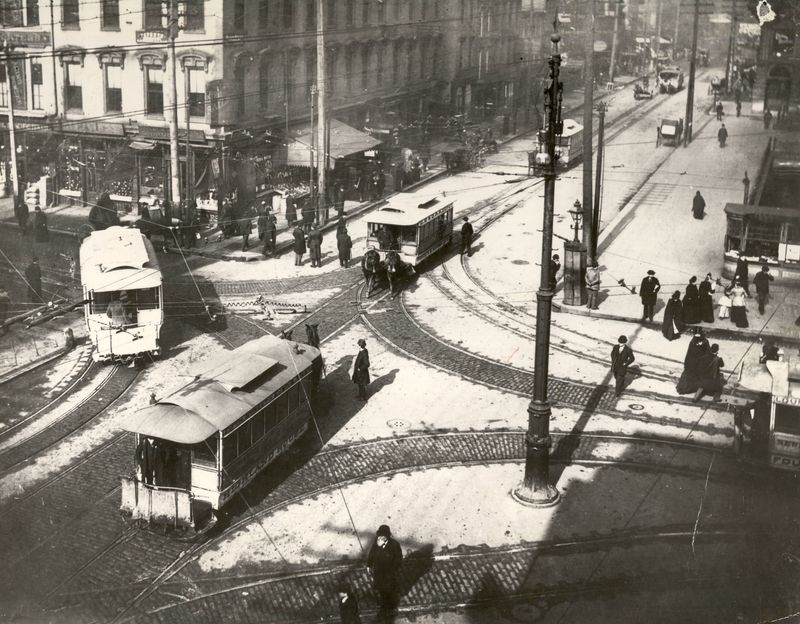
Horse-drawn omnibuses were the first public transit in the Queen City, starting in the 1850s. Streets were unpaved dirt, so the wheels often got stuck in the mud. That problem was solved by having the omnibus ride on iron rails laid into the streets.
The first streetcar, pulled by horses, was put into operation Sept. 14, 1859, by the Cincinnati Street Railway Co.
The first route ran from Fourth Street, up Walnut to Ninth Street, then into West End. The cost to ride was 5 cents.
Additional routes and separate streetcar lines by rival companies soon spread across Cincinnati, from Brighton to Walnut Hills.
Steam dummies were steam-powered locomotives disguised as passenger cars in a vain attempt to not scare the horses sharing the road.
In 1866, brothers Charles and John Kilgour started running two steam dummies on the Columbia & Cincinnati Street Railroad to draw residents out to settle into their new suburb, Hyde Park. The Kilgours later took over the Cincinnati Street Railway.
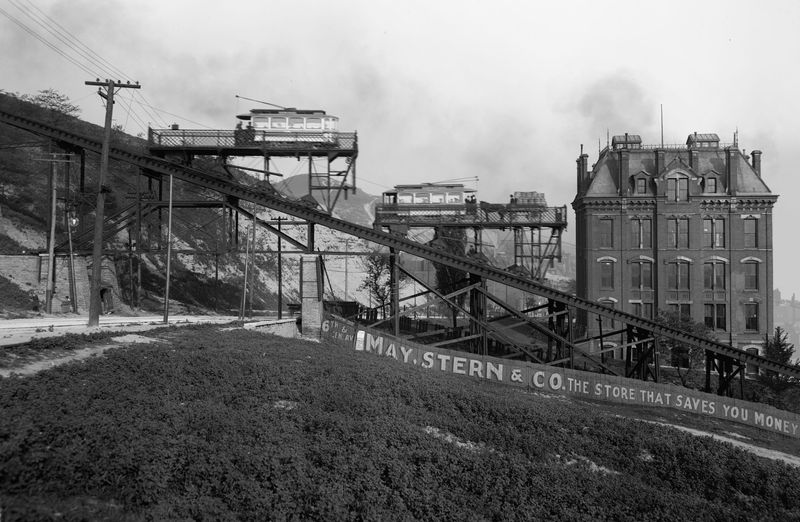
Inclines were the solution for climbing the city’s hills. Steam engines cranked steel cables that pulled a platform carrying a streetcar along one of two tracks on the hillside, one platform going up, while the other headed down.
The Cincinnati Inclined Plane Railway began operating at Main Street in 1872. There were five inclines – Main Street (Mount Auburn), Price Hill, Mount Adams, Bellevue and Fairview – that allowed the Cincinnati populace to ascend the hilltops. The Mount Adams Incline was the last to close, in 1948.
Cable cars greatly extended people’s reach on the hills starting in 1885. Like the famous San Francisco cable cars, they were pulled by a cable, so hills were no problem. Cincinnati had three cable car lines: Walnut Hills, Mount Auburn and Vine Street, from Fountain Square to Clifton.
Electric streetcars were introduced in 1889 with service down Colerain Avenue. They quickly became the main public transportation in Cincinnati, with 200 miles of track. The cable cars closed by the end of the century. Horses were replaced by trolley poles on streetcar roofs that extended to electrical wires overhead. Cincinnati was the only major city to have dual overhead wiring.
By 1896, nearly all the transit lines and inclines were consolidated under one organization, the Cincinnati Street Railway Co. In 1901, the company leased all its property to the Cincinnati Traction Co. (later the Cincinnati Transit Co.), which operated the city’s public transportation until the city took it over in 1972.
As America’s love of automobiles took off, ridership on streetcars dropped in the 1930s.
Trolley buses were introduced in 1936. The buses operated on the same dual overhead wires but didn’t require tracks.
Eventually all the lines were converted to motor buses. The last streetcar was in 1951, the last trolley bus in 1965.
When people began living Downtown again, the streetcar returned.
Sources: “Cincinnati Streetcar Heritage” by Kenneth C. Springirth, Cincinnati Traction History www.jjakucyk.com, Enquirer and Post archives
This article originally appeared on Cincinnati Enquirer: History of Cincinnati’s streetcars, from steam dummies to inclines
Reporting by Jeff Suess, Cincinnati Enquirer / Cincinnati Enquirer
USA TODAY Network via Reuters Connect