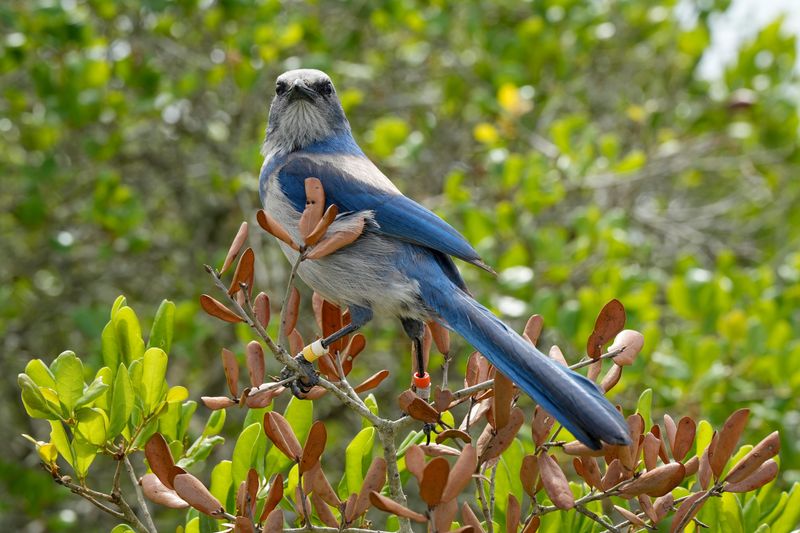
As we mark Endangered Species Day today, it is worth recognizing its importance here in Florida.
Protecting endangered species is about more than protecting vulnerable animal populations; it includes protecting the habitats our community grow up around, work in and spend their weekends enjoying.

On Florida’s Gulf Coast, it is not unusual to see a manatee surface near a dock or to spot a sea turtle nest marked off in the sand after a walk on the beach.
These moments are reminders that we are living alongside species that have been here long before us and depend on the choices we make today.
Florida’s ecosystems are unique to our country.
Our rivers, coastal waters, wetlands and forests support wildlife that cannot be replaced if they are destroyed.
The Florida panthers moving through remote stretches of land, manatees gathering in warm water during winter and sea turtles returning to the same beaches year after year are crucial to our state’s identity.
When water quality improves in our bays and estuaries, local fishermen notice it in the size and health of their catches.
When seagrass beds are healthy, manatees return to familiar areas and bolster local sightseeing opportunities.
I reintroduced the Manatee Protection Act (H.R. 135) to strengthen safeguards for manatees and support long term conservation efforts in Florida’s waters while supporting the local industries that drive our region’s prosperity.
We have also seen how quickly water quality challenges can escalate, such as harmful algal blooms that impact coastal communities, recreation and marine life.
That is why I introduced the Protecting Local Communities from Harmful Algal Blooms Act (H.R. 2408) to strengthen monitoring and response efforts for harmful algal blooms, so communities have better tools to protect water resources.
It’s also critical that we protect both animal habitats and Florida’s growing population as our state continues to expand.
One tool that we can use to accomplish both goals is building more wildlife corridors.
As our state’s undeveloped land is increasingly broken up by roads and development, local species are pushed into smaller, more isolated areas that make survival more difficult and increase the likelihood of traffic accidents.
Recently, I co-led the bipartisan Wildlife Corridors and Habitat Connectivity Conservation Act (H.R. 8438) with Congressman Don Beyer to expand and improve wildlife corridors, helping connect critical habitats across our state and country while protecting drivers and pedestrians.
Clean water and healthy ecosystems are part of our local economy.
Local guides, bait shops, charter captains, hotel owners and restaurant workers all benefit when conditions in the water are strong and are harmed when they are not.
In Congress, I will continue working on policies that strengthen habitat protection, improve water quality and support the long-term health of Florida’s natural resources.
That includes protecting manatees, safeguarding wetlands, addressing harmful algal blooms and building wildlife corridors that keep ecosystems connected across the state.
Florida is a special place.
Anyone who lives here understands that.
Keeping it that way depends on steady work and a clear understanding of what is at stake.
On Endangered Species Day, that responsibility is worth keeping in mind.
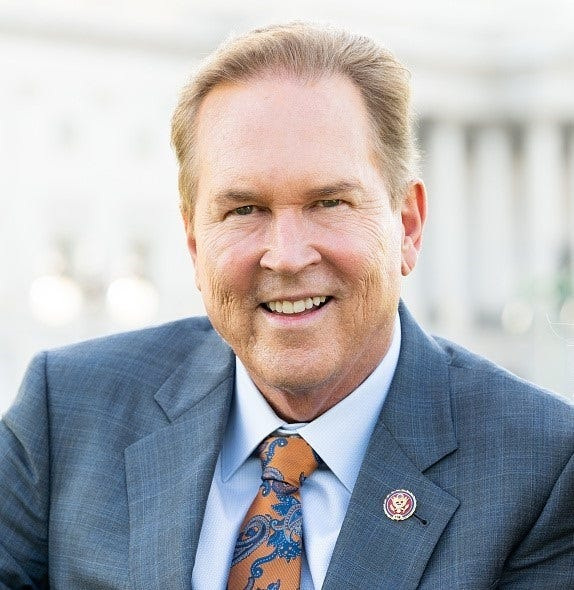
Rep. Vern Buchanan (R-Fla.) is the vice chairman of the Ways and Means Committee and the chair of the Health Subcommittee. He is also co-chair of the Congressional Animal Protection Caucus. Prior to serving in Congress, Buchanan was in business for more than 30 years and chaired both the Greater Sarasota Chamber of Commerce and Florida Chamber of Commerce.
This article originally appeared on Sarasota Herald-Tribune: Let’s keep working to protect Florida’s endangered species | Opinion
Reporting by U.S. Rep. Vern Buchanan Guest columnist, Sarasota Herald-Tribune / Sarasota Herald-Tribune
USA TODAY Network via Reuters Connect