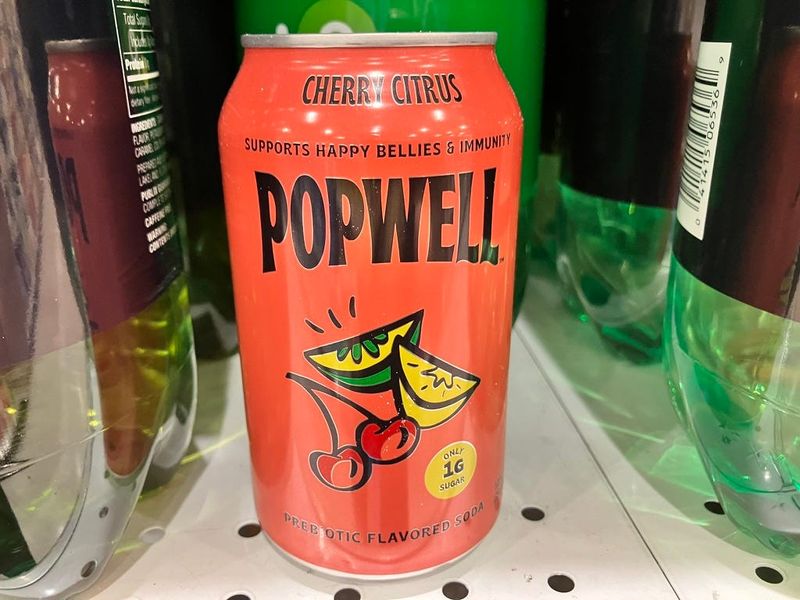
The bottled drink and soda aisle at the grocery store has burst into a wall of pinks, purples and yellows — and many of these liquids aim to do more than slake a thirst.
Just pop a lid and you can reduce bloating, boost the protein needed to maintain muscle, promote the beneficial bacteria in the gut, feed nutritional needs and even enhance beauty and brain power. It all might be in a bottle — you don’t even have to chew — if the product marketing for “functional beverages” or wellness drinks is to be believed.

These drinks are stacked with vitamins and nutrients you can chug in 20-ounce increments, but consuming too many of these items your body needs can have a downside, however, nutritionists warn.
BODYARMOR has a tropical punch it calls “Flash I.V.” that comes with 100% of the recommended daily allowance of niacin, vitamins B-12, B-6 and Zinc. Even Starbucks’ coffee drinks showed up with as much as 26 grams of protein per “grande” size in September 2025.
Gen Z has tired of the same old booze and coffee, and it’s sending the global value of the functional beverage market skyrocketing, the belief is. It was valued at $175 billion in 2022, and it’s expected to reach nearly $340 billion by 2030, according to industry reports.
Gatorade, for instance, has morphed into lines like Gatorade Zero (no sugar unlike the original), Gatorade Recover Protein Shake (comes with 20 grams of protein), Gatorade Fierce (stronger, sweeter flavor than the original), and Gatorade Longer Lasting (a patented electrolyte formula with three times the electrolytes of the original, rolling out this year).
Are functional beverages FDA approved?
But guess what? It turns out that you can have too much of a good thing, even when it comes to electrolytes, which are necessary for the body’s functioning.
The Food and Drug Administration does not review these products for safety because vitamin- and mineral-added products fall under “supplements” and the safety of them is left up to company review.
And even though electrolytes are vital to regulating nerve and muscle function, maintaining hydration, balancing blood acidity and alkalinity and rebuilding damaged tissue, there’s a limit to what’s considered a healthy level of them, according to Northwestern Medicine, the integrated academic health system partnered with the Northwestern University Feinberg School of Medicine.
Consider that oversupplementing electrolytes can mean:
The only times you need to supplement your electrolytes are when you’ve been ill, working out for more than an hour or subject to intense heat for a long period, according to Northwestern Medicine.
Lee Cotton, a registered dietician nutritionist who practices in Stuart, generally recommends that people get their vitamins from real food and choose water over other beverages.
“My approach is food first,” said Cotton who wrote a book, “A Nourishing Perspective: Reconnect with Your Inner Voice and Harmonize Your Relationship with Food.” “And when it comes to hydration, water is always the most important way to go,” she added.
Some vitamin blasts can react with prescriptions and medical conditions. So, vitamin supplementation should be done in consultation with a doctor, even if it comes in a fun aqua-blue color, Cotton said.
How much sodium should adults consume take each day?
The recommended daily sodium intake for most healthy adults is less than 2,300 mg per day — about 1 teaspoon of table salt — and the average American consumes about 3,300 mg daily. Chugging a 20-ounce bottle of the new Gatorade with three times the original would have someone consuming nearly half the recommended limit for an adult with high blood pressure, according to the American Heart Association guidelines.
Protein might be one of the fundamental building blocks of our bodies, essential for repairing cells, building muscle and keeping the immune system in fighting shape. It earned a place in the top tier of the redesigned food pyramid released in January 2026 that’s the centerpiece of the Make America Healthy Again movement, as promulgated by the U.S. Health and Human Services Secretary Robert F. Kennedy. But too much of it can lead to digestive issues, kidney strain, kidney stones and dehydration because of how processing the nitrogen resulting from protein intake requires more water, peer-reviewed literature shows.
A 150-pound adult needs about 54.5 grams of protein daily. And one protein-infused Starbucks grande gets someone that size nearly halfway there. Add a 4-ounce chicken breast and that average-sized person has already exceeded the daily recommended intake.
Still, some of these new vitamin-infused sodas might be a work-around for lovers of bubbly beverages buying with SNAP food assistance.
Starting April 20, Florida became the 22nd state to take advantage of new federal rules that allowed states to prohibit the SNAP beneficiaries from using the assistance to buy food with no nutritional value. Soda is on that list and defined as beverages made with carbonated water that are sweetened with added sugars or artificial sweeteners.
That means that Poppi, a sparkling water that has organic apple cider vinegar, fruit juice, and prebiotic fibers (cassava root and agave inulin) and sweetened with organic cane sugar and stevia and has about 5 grams of added sugar, may be able to make it under the state cutoff and live up to its campaign slogan: “Soda’s back.”
Anne Geggis is statewide reporter for the USA TODAY NETWORK FLORIDA, reporting on health and senior issues. If you have news tips, please send them to ageggis@usatodayco.com. You can get all of Florida’s best content directly in your inbox each weekday by signing up for the free newsletter, Florida TODAY, at https://palmbeachpost.com/newsletters
This article originally appeared on Palm Beach Post: ‘Functional beverages’ saturate Florida stores, but are they healthy?
Reporting by Anne Geggis, Palm Beach Post / Palm Beach Post
USA TODAY Network via Reuters Connect