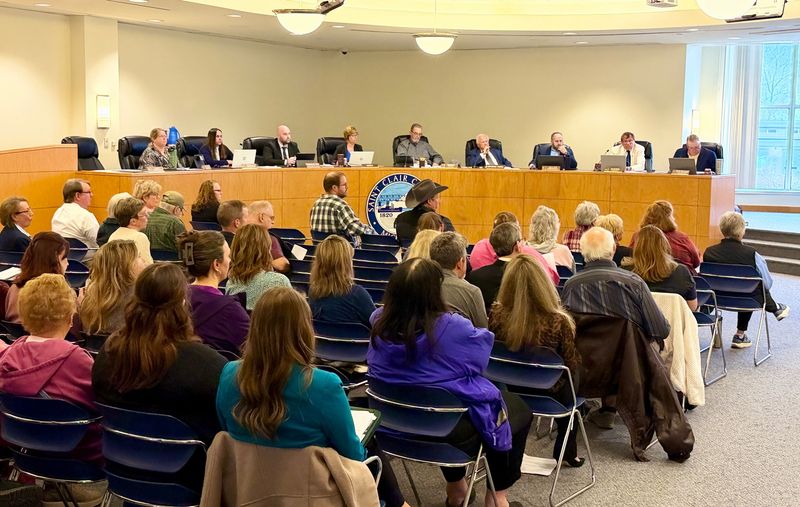
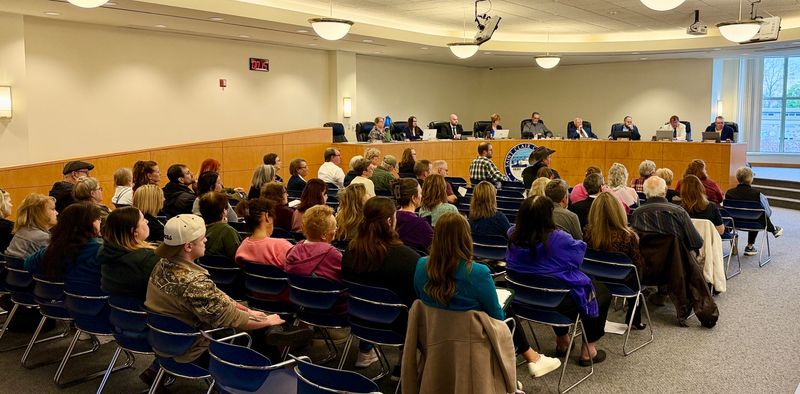
A proposed rewrite of St. Clair County’s Animal Control ordinance will advance to the full County Board of Commissioners after a lengthy and often emotional public debate Thursday, May 7, over who should handle animal cruelty and livestock investigations.
The Judiciary Public Safety Committee voted 5-1 to move proposed Ordinance 26-13, a rewrite of the county’s animal control ordinance clarifying enforcement and investigative responsibilities, forward for consideration by the full board on Thursday, May 21.

Commissioners Steven Simasko, Joi Torello, Paul Zeller, David Rushing and Dave Vandenbossche voted in favor; Lisa Beedon voted against and Kerry Ange was absent.
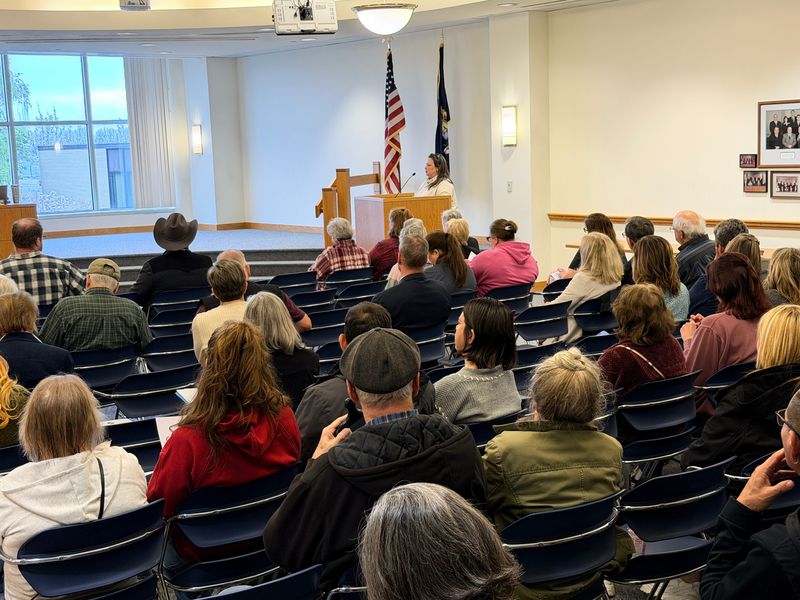
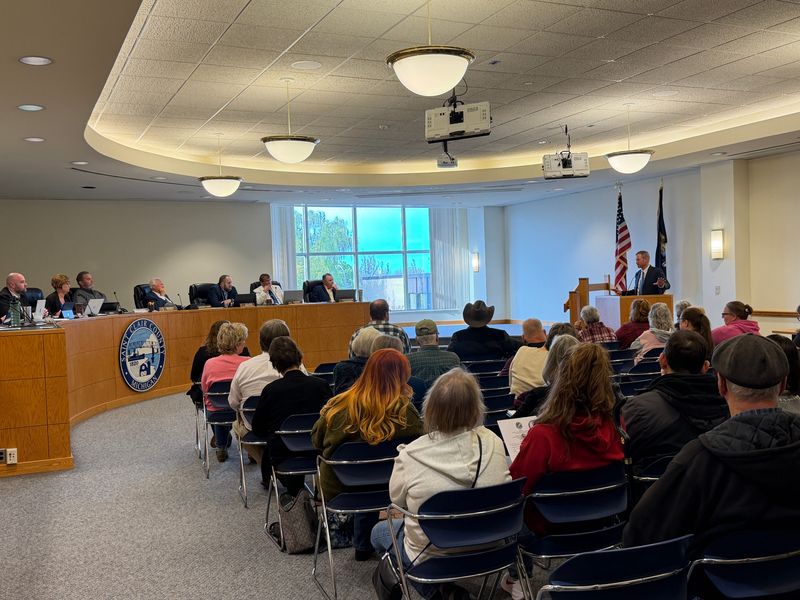
The discussion drew a packed crowd to the county administration building, with numerous residents speaking during public comment, most opposing portions of the proposed changes.
At the center of the debate was a legal opinion from St. Clair County Corporation Counsel Gary Fletcher, included in the committee’s agenda packet, which argued portions of the county’s existing ordinance exceeded authority granted under Michigan law.
The opinion followed concerns surrounding recent animal welfare and livestock investigations.
Under the proposed ordinance, criminal investigations involving animal cruelty or neglect would fall under law enforcement agencies, while animal control would continue handling shelter operations, licensing, dangerous dog complaints and other civil enforcement duties.
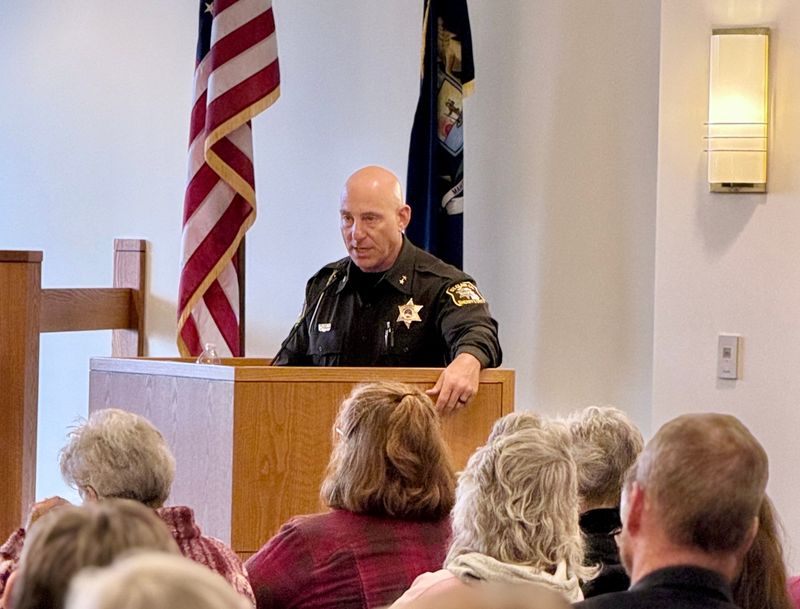
During the meeting, St. Clair County Sheriff Mat King pushed back against claims that the sheriff’s office planned to absorb or replace animal control.
“The St. Clair County Sheriff’s Department is not taking over animal control,” King told commissioners and residents. “We have no interest in taking over animal control.”
King said his office would continue working collaboratively with animal control, particularly in cases involving criminal allegations.
“Yes, we are going to be totally handling criminal complaints as pertains to animal control,” King said. “Again, we are not going to do it on an island.”
St. Clair County Prosecuting Attorney Michael Wendling said the issue largely stems from what he described as an inappropriate “blending of responsibility” between departments.
Wendling said animal control officers have expertise in animal handling, livestock and veterinary-related issues, while law enforcement officers are trained in criminal investigations, warrants, constitutional protections and de-escalation.
“We need law enforcement to do that,” Wendling said regarding criminal investigations. “Not just because we think that’s the best practice. That’s the law.”
He added that animal control officers are not certified through the Michigan Commission on Law Enforcement Standards (MCOLES) and therefore cannot independently conduct criminal investigations.
Still, several residents argued the proposed changes could weaken animal welfare enforcement and reduce animal control’s ability to respond compassionately to complaints before situations escalate.
During public comment, Melissa Miller, director of St. Clair County Animal Control, criticized portions of Fletcher’s legal opinion and defended the department’s current practices, saying animal control already contacts law enforcement when cases appear to be approaching criminal status.
In a later interview with the Times Herald, Miller said she supports revising the ordinance and agrees some portions of the county’s current code exceed animal control’s legal authority.
However, she argued the proposed rewrite still contains language she believes could create liability and operational issues for the county, including concerns involving searches, seizures and how welfare complaints would be handled.
Resident Barbie Stewart urged commissioners not to remove Animal Control’s ability to conduct initial welfare checks, arguing officers often resolve issues through education and assistance rather than enforcement.
“Animal control should be able to at least make the first visit on a welfare check,” Stewart said.
Others supported the proposed ordinance, particularly residents involved in agriculture and livestock operations.
Jay Berger, who identified himself as a livestock farmer in Macomb and St. Clair counties, said the ordinance would align county practices with existing state law and keep agencies operating within their intended authority.
“We’re just correcting the boundaries so that each agency is working within their actual legal authority,” Berger said.
Rachel Kappa, a St. Clair resident and attorney, said whichever agency handles livestock and welfare complaints should receive specialized training, adequate funding and clear standards.
“Farmers, animal welfare advocates, law enforcement and the public all deserve clarity and confidence, not gaps filled by nonprofits,” Kappa said.
Commissioners repeatedly emphasized the proposal was intended to clarify responsibilities and maintain compliance with state law while preserving cooperation between animal control and law enforcement agencies.
After the meeting, Beedon told the Times Herald she voted against advancing the ordinance because she still had unresolved questions about how the proposal would work in practice.
“I don’t know that we have it all fleshed out in a way that I’m comfortable with yet,” Beedon said. “Maybe in two weeks, I’ll feel better about where it’s at, but I don’t want to vote for it when I wasn’t comfortable with it yet.”
The proposed ordinance now heads to the full Board of Commissioners for possible action on Thursday, May 21.
The St. Clair County Board of Commissioners holds committee meetings on the first Thursday of each month and full board meetings on the third Thursday, both beginning at 6 p.m.
Meetings are held in the County Administration Building, 200 Grand River Ave., Port Huron, and are livestreamed on the county’s YouTube channel.
Contact reporter Andy Jeffrey at ajeffrey@usatodayco.com.
This article originally appeared on Port Huron Times Herald: St. Clair County Animal Control overhaul advances after heated debate
Reporting by Andy Jeffrey, Port Huron Times Herald / Port Huron Times Herald
USA TODAY Network via Reuters Connect