Dear Dr. Roach: My husband, 79, has to get both of his shoulders replaced (a reverse total shoulder replacement) due to osteoarthritis. He had the first shoulder done two months ago. It is a very painful procedure and consists of a long and painful recovery. Physical therapy is helping.
Now I’m concerned with every painful twinge in my shoulders. What, if anything, can people do to keep their shoulders healthy and keep themselves from needing surgery? He put off seeing his doctor for more than a year, even as his pain worsened.

— S.Q.
Dear S.Q.: There are several different types of arthritis. Osteoarthritis is the most common; nearly everyone over 65 will eventually experience it. Rheumatoid arthritis is much less common but much more dangerous. Without treatment, the joints can become deformed and lose most or all of their function. To treat this, rheumatologists use disease-modifying antirheumatic drugs (DMARDs), like methotrexate or etanercept (Enbrel), to stop the progression of the disease.
Unfortunately, osteoarthritis doesn’t have any approved disease-modifying agents, but several are in development and have the potential to keep people from needing surgery. Right now, the only drugs we have for osteoarthritis are to help symptoms. Fortunately, we have the option of exercise, which helps improve symptoms and restore or preserve function. This can delay the need for surgery, in addition to helping with pain and movement.
You may have some arthritis in your shoulder as it is very common, and your doctor may recommend an X-ray given your mild symptoms. There are good exercise programs that are available by video, but a trainer or physical therapist can give you specific advice for your issues. I can reassure you that shoulder replacement surgery isn’t common for osteoarthritis in the shoulder.
Dear Dr. Roach: I recently read your column regarding a mitral valve replacement. A very close female friend underwent this surgery in October 2025. She suffered from a stroke and passed away while in the ICU. I, along with her close friends, were heartbroken. With a such a low death rate for this surgery, how could this have happened?
— J.D.L.
Dear J.D.L.: I am very sorry to hear about the sudden death of your friend during surgery. Open-heart surgery is always risky, but it isn’t always clear why a person dies. It can happen even when the surgical team does everything as well as possible. We do our best to prevent strokes during surgery but cannot prevent them all.
The overall mortality risk from an open-heart mitral valve surgery is about 11%, which is about one in nine people based on Medicare recipients across the country. (This isn’t a low number. A low-risk surgery like a gallbladder removal has about a 0.1% risk of death.) Scientists and clinicians are always working on alternatives to open-heart surgery, including medication therapy and valve-in-valve procedures that are done with a catheter.
These procedures have become increasingly used for aortic valves, but progress is still being made for mitral valves. We hope that this will eventually lead to better long-term outcomes and reduce the risk of events like your friend’s stroke and death.Readers may email questions to ToYourGoodHealth@med.cornell.edu.
This article originally appeared on The Detroit News: Dr. Roach: Exercise is best to help preserve function in the shoulders
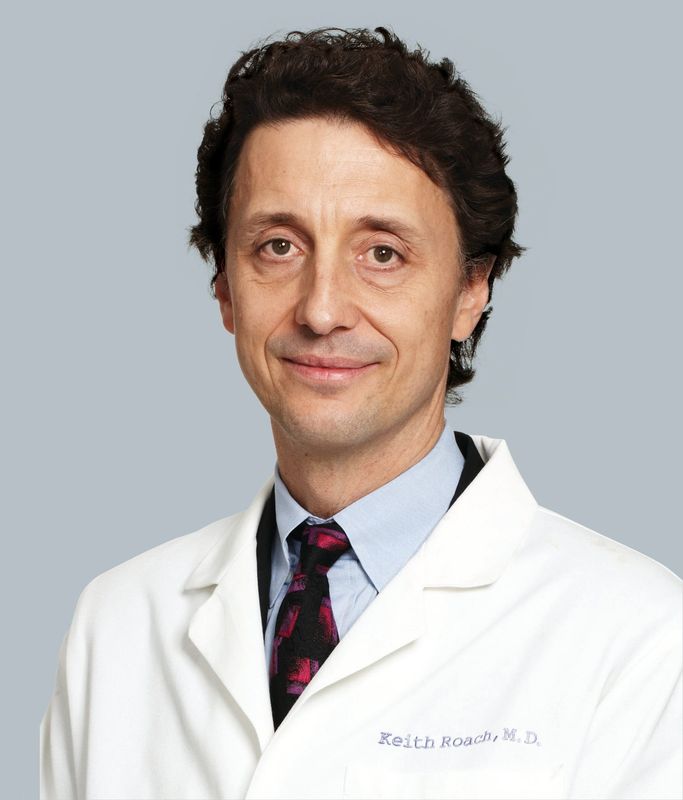
Reporting by Dr. Keith Roach, To Your Health / The Detroit News
USA TODAY Network via Reuters Connect