The Journal & Courier asked candidates in contested primary races to answer questions to help voters learn about them.
A complete list of Tippecanoe County candidates on the May 5 Primary Election ballot can be found online.

GOP race for Tippecanoe County Council 2nd District
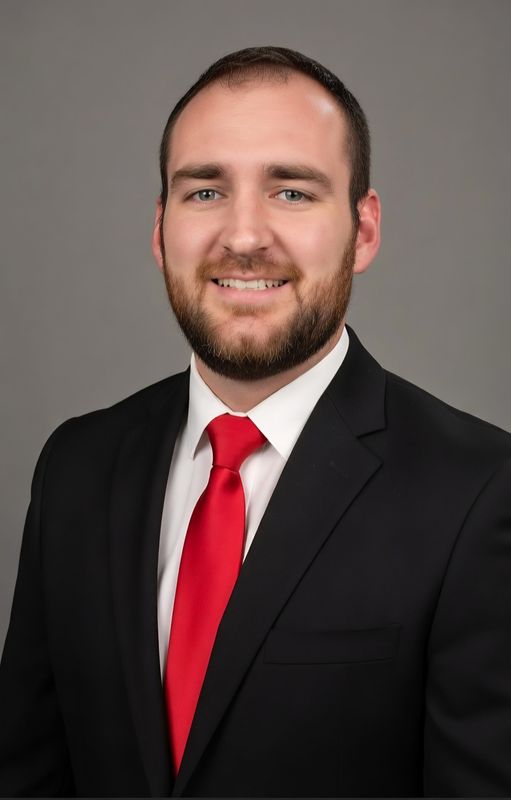
GOP challenger Jon Chapin faces Republican incumbent Jody Hamilton in the May 5 election. There are no Democratic candidates running for the seat, so the winner of the primary will be unopposed unless the Democrats slate a candidate.
Tell us about yourself
Hamilton: Age: 48. Current occupation: External affairs director, Tipmont/Wintek.Previous political experience: Tippecanoe County Council District 2; Tippecanoe CountyCouncil at-large; Tippecanoe County GOP vice chair, precinct committeeman; statedelegate. City you live in: West Point.
Chapin: Age: 36. Current occupation and any previous political experience: I’ve worked at SIA for 16 years with five years as a team leader. I have no prior political experience, but it is a personal hobby. The city you live in: West Lafayette.
What are the three biggest issues you’re hearing from constituents in thiselection cycle?
Hamilton: The three biggest issues I’m hearing from constituents are affordability, responsible growth and maintaining the quality of county services.
Affordability is top of mind for many residents. While the council doesn’t control all the factors driving costs, we are responsible for how we manage taxpayer dollars and the impact of property taxes. With Senate Bill 1 reducing local revenues, we need to stay focused on priorities, continue exploring and eliminating inefficiencies and make disciplined financial decisions.
Growth is another key concern of the residents. They are excited about the new opportunities it brings to the community, and we anticipate continued growth. We need to be even more proactive and work with our municipalities and departments to ensure infrastructure and essential services keep pace with that growth.
Finally, residents expect high-quality county services, especially in areas like public safety. Ensuring those services remain strong and reliable will always be a top priority.
Chapin: The rising cost of living is the No. 1 concern I’ve heard. I’ve heard from residents and farmers who are worried they will lose their land due to the rerouting of U.S. 231. I’ve heard a lot of concern on rising crime and having too few county officers to handle calls across the entire county.
How do you plan to address those issues if elected?
Hamilton: To address these issues, my focus will continue to be on disciplined budgeting, proactive planning and maintaining strong county services.
On affordability, I will continue to prioritize the responsible use of taxpayer dollars by focusing on essential services, carefully reviewing spending and eliminating inefficiencies where we can. Senate Bill 1 presents many challenges to our county, requiring us to think more outside the box than usual as we develop the 2027 budget.
For growth, I will continue to work closely with municipalities and county departments to ensure we’re planning ahead. That means aligning infrastructure, public safety and services with the pace of development so we’re not reacting after the fact.
When it comes to county services, my priority is making sure they remain reliable and effective. That includes supporting our departments and improving efficiency through better processes and technology. We must continue to provide a superior service to our residents.
My goal has been, and will always be, to provide steady, practical leadership that keeps Tippecanoe County on a strong, sustainable path.
Chapin: Many state-level actions beyond our local control are causing our current budget shortfall. Examples include Senate Bill 1, which reduces property taxes on homeowners, and House Bill 1454, which forces the county assessor to assess luxury multi-unit apartments (like those at Purdue) at the lowest of three possible rates. This shifts the tax burden onto local taxpayers.
If elected, I will work to balance the budget ethically by requiring funding requests to include clear metrics on past success or detailed spending plans. It should not be a formality as described by those currently requesting funds. We must be more critical when approving abatements and end reckless spending, such as pursuing the purchase of the Halleck building with no defined need or plan. We should return to funding priorities consistent with the Constitution.
I recognize this is complex. While the current council uses new budgeting software, they outsource analysis to FSG Corp. at high taxpayer cost — an unethical practice. Elected officials should do this work themselves. Instead, I propose adding AI as a supporting tool to crunch numbers and identify cuts that save the most money while fairly minimizing impact on people.
To be clear, I’m not advocating for AI to do our job. It would simply be another tool in the tool box to help extrapolate as much information as quickly and unbiased as possible.
I would meet with the Area Plan Commission and discuss the concerns of our constituents and request they raise these concerns about a U.S. 231 expansion with the state. I propose that we upgrade the existing road, whether that needs to be adding lanes and raising speed limits in the higher speed areas, or reviewing intersections in the low-speed areas and determine if they should be modified to roundabouts or update traffic lights.
As Lafayette and West Lafayette continue to expand, we must listen to our constituents and protect our farms from being taken. In addition, we must protect those families from a land grab by the government when they worked hard to buy acreage in the country to raise their children on.
As to the concerns about crime, I think there are many angles to attack this problem. I would meet with department heads and request a full review of the budget for the sheriff’s department. Analyzing the numbers in depth, we may be able to locate where money is not being utilized to its fullest extent.
I believe we must put public pressure on prosecutors and judges to hold criminals accountable. This would help the sheriff’s department make better use of their time. I would imagine law enforcement does not like putting their life at risk for nearly every criminal to get a $500 bond. This may also lead to the sheriff’s department to focus on less dangerous, petty crimes because it’s not worth the risk for the more serious crimes if the criminals always bond out.
If we are able to reduce spending in other areas, I would be supportive of increasing funds to the sheriff’s department. However, I believe increasing spending must be the last resort. We can’t always throw money at problems. We must work together with the sheriff’s department to dissect the problem and fix the root causes first.
This article originally appeared on Lafayette Journal & Courier: GOP challenger takes on incumbent for seat on county council
Reporting by Ron Wilkins and Jillian Ellison, Lafayette Journal & Courier / Lafayette Journal & Courier
USA TODAY Network via Reuters Connect