The 3rd Century C.E. Palestinian sage Rabbi Yirmiyah ben Elazar said: “Only a bit of a person’s praise should be said in his presence, but all of it when he is not present!” (Babylonian Talmud, Tractate Eruvin 18b)
While some people are more susceptible to flattery than others, it is essential not to be a flatterer, much in the same way we must never lie to people, no matter how gullible they might be and despite any advantage that our lying may gain us.

Persons who try to be honest with themselves and with others rightly resent being flattered and are suspicious of flatterers and of their motives. The opposite is also true. Those with overblown opinions of themselves enjoy being flattered and naively surround themselves with flatterers. They are invariably stunned, saddened or infuriated upon learning that their sycophants are not to be trusted when the chips are down.
There is nothing wrong with offering sincere, well-intended compliments or criticisms, but it’s better to be on the parsimonious side with both. After all, we all need a bit of encouragement or questioning every now and then, especially when we are trying something new and are in uncharted territory. Those who honestly want what’s best for us at times offer both because they want us to do better and be better.
Flatterers only want what’s best for themselves even if it means misleading those whom they are flattering. They don’t give a fig when they send their “marks” off in the wrong direction, sometimes even over the proverbial cliff!
The 20th Century C.E. American sage William Claude Dukenfield (better known as W.C. Fields) famously observed: “You can’t cheat an honest man.” And they won’t let you flatter them either!
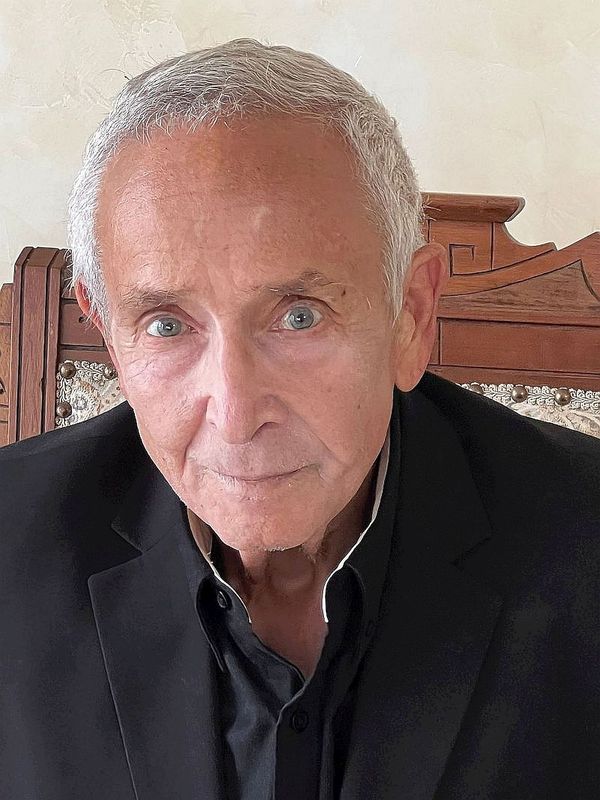
Rabbi Bruce Diamond is a resident of Fort Myers.
This article originally appeared on Fort Myers News-Press: Renaming State Road 80: A fulsome overdose of flattery | Opinion
Reporting by Rabbi Bruce Diamond / Fort Myers News-Press
USA TODAY Network via Reuters Connect