Florida lawmakers will return to the Capitol to complete a state budget next month after negotiators agreed on a broad spending outline that came after weeks of deadlock.
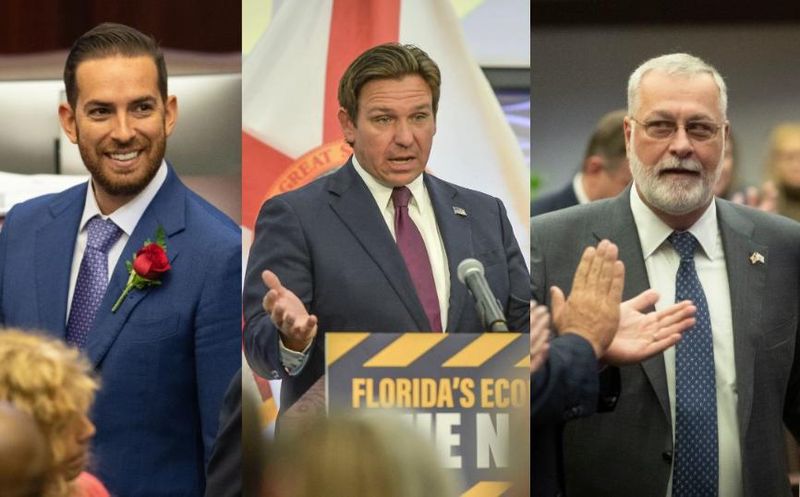
Senate President Ben Albritton, R-Wauchula, and House Speaker Daniel Perez, R-Miami, sent memos to lawmakers April 23 saying the special session will begin May 12.

Budget conference committees are expected to meet May 12-15 to hash out details. Any unresolved issues will be settled by House and Senate leaders after that, with lawmakers not expected to return to the Capitol until after Memorial Day, May 25.
“I look forward to continue our work on crafting a responsible, balanced budget and to seeing you all soon,” Perez said. The session will be scheduled to end May 29, Albritton added.
Budget to be lower than current plan
“Our final budget will be lower than Florida’s state budget for the current fiscal year,” Albritton said in his memo. The 2025-26 state budget, which expires July 1, is $116.5 billion.
Lawmakers ended the regular 60-day session March 13 without finalizing a state budget, the one bill the Legislature is required to pass each year. It’s the second straight year of budget overtime for the Legislature, which includes Republican supermajorities in the House and Senate.
The progress announced April 23 stemmed from House and Senate budget negotiators agreeing on bottom-line dollar figures for eight major funding areas, including education, health care and natural resources.
Lawmakers already are set to return April 28 to the Capitol for a special session on congressional redistricting and also on Gov. Ron DeSantis’ demands for an artificial intelligence “Bill of Rights” and giving parents more authority to decline vaccine requirements for their kids.
Both the AI and vaccine proposals passed the Senate but failed in the House during the two-month legislative session, which ended March 13.
GOP trifecta leads to two straight years of budget whiffs
Florida is ruled by a Republican trifecta, with GOP supermajorities in the Legislature and DeSantis as governor. But they’ve whiffed for the second straight year in delivering an on-time state budget.
Last year, it took an extra 45 days for lawmakers to approve a spending plan for the year beginning July 1. This year, the clock is still running, although 77 days would span the time between lawmakers ending session March 13 and passing the budget on May 29.
The overtime session last year cost Florida taxpayers an extra $259,000 in lodging, travel and daily expenses for lawmakers and staff, according to the Office of Legislative Services.
But even with budget allocations in place, the Legislature still has a long way to go this spring.
The two sides left Tallahassee after March 13 with a host of spending differences. A $1.4 billion difference had emerged between the $113.6 billion blueprint approved by the House and the $115 billion plan from the Senate.
“We have a fundamental disagreement on what the budget should look like for the state of Florida,” House Speaker Daniel Perez, R-Miami, said toward the end of the regular session.
Negotiations take place far from public eye
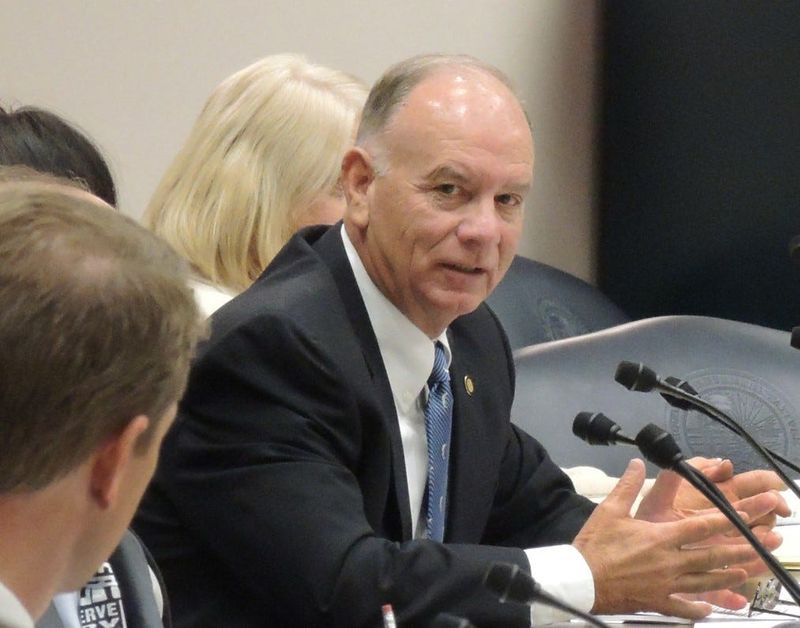
Since then, Senate budget chief Ed Hooper, R-Clearwater, and his House counterpart, Rep. Lawrence McClure, R-Dover, have been negotiating by phone on an outline for closing out the budget.
While the spending gulf apparently is getting closer to being bridged, there are likely dozens of differences still to settle. Tourism, environmental programs, transportation and economic development amounted to some of the biggest splits between the two sides.
Also, the Senate had wanted double the amount of affordable housing money sought by the House and almost triple what House members earmarked for college and university construction.
The Florida Forever environmental preservation fund drew $35 million from the Senate, and nothing from the House.
The Senate mostly went along with DeSantis’ budget requests. But the House was a no-sale on many of DeSantis’ priority items during the legislative session.
The governor wanted $62 million, a big increase, for the Florida State Guard that he revived, but which has drawn criticism for mismanagement and poor training. The House included no funding for the Guard, and DeSantis appeared close to settling on getting the $33.9 million earlier approved by senators.
Levels of teacher pay, dollars for Schools of Hope, financing the state’s job growth grant fund, and an expansion of food testing sought by DeSantis all looked on track at session’s end to fall well short of what he wanted – mostly because of House resistance.
DeSantis, who has regularly clashed with Perez, the House speaker, over a host of spending and policy issues, has recently grown more irritated by the budget delay.
“Dragging this out is certainly not advisable. It’s not something that I am going to be amenable to, with the authority that I have, to force issues when they need to be forced,” DeSantis said recently.
John Kennedy is a reporter in the USA TODAY Network’s Florida Capital Bureau. He can be reached at jkennedy2@usatodayco.com or on X at @JKennedyReport.
This article originally appeared on Tallahassee Democrat: After stalemate, Florida lawmakers agree to draw up a leaner budget
Reporting by John Kennedy, Capital Bureau | USA TODAY NETWORK – FLORIDA / Tallahassee Democrat
USA TODAY Network via Reuters Connect