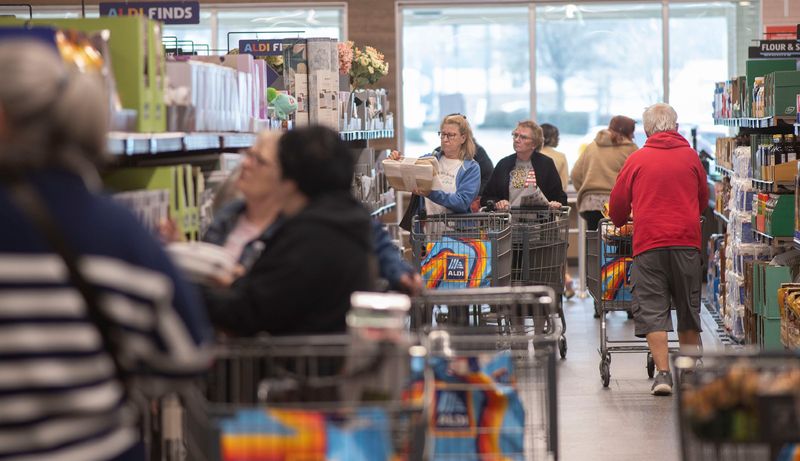
Florida Supplemental Nutrition Assistance Program (SNAP) recipients awoke on April 20 to some fairly significant changes to their benefits.
In an effort that the department says will help promote the health and well-being of families on SNAP, the Florida Department of Children and Families (DCF) filed a waiver in May 2025 to exclude soda, energy drinks, candy and ultra-processed prepared desserts from SNAP benefits.

The U.S. Department of Agriculture (USDA) approved the waiver in August 2025, which will be in effect for two years, from April 20, 2026, to April 19, 2028.
Here is what Florida SNAP recipients need to know about the changes.
What food items are being restricted under the new Florida SNAP rules?
Florida SNAP will no longer cover the purchase of soda, energy drinks, candy and ultra-processed prepared desserts.
Why is Florida excluding these food items?
Florida officials say these new restrictions better align with its “intended purpose,” which the state says is “providing households access to a more nutritious diet to help alleviate hunger and combat malnutrition.” The state wants to push families toward using SNAP benefits to buy “more nourishing foods.”
What is considered soda?
Florida defines soda as “beverages made with carbonated water that are sweetened with added sugars or artificial sweeteners.” This includes regular, diet and zero-calorie sodas, according to the Florida SNAP website.
Families can still purchase sports drinks like Gatorade and Powerade, according to Florida SNAP. Plain or naturally flavored sparkling waters and drinks that contain 50% juice or have less than five grams of sugar per serving are also still eligible.
Examples of sodas:
What is considered an energy drink?
Energy drinks are defined as “drinks that contain 65 milligrams or more of caffeine per 8 ounces and are marketed to boost energy or alertness.”
Coffee, tea and sports drinks are not considered energy drinks, according to Florida SNAP.
Examples of energy drinks:
What is considered candy?
A food item is considered candy if it is “made from sugar or artificial sweeteners combined with chocolate, fruit, nuts, caramel, gummies, and hard candies or other ingredients or flavorings in the form of bars, drops, or pieces.”
Candy has the broadest definition. For instance, items like trail mix that contain candy are considered candy, while varieties without candy are not, according to Florida SNAP.
Granola bars, breakfast toaster strudels, breakfast biscuits like BelVita, and breakfast toaster pastries like Pop-Tarts can still be purchased with SNAP benefits, even when they contain sweeteners or chocolate.
Examples of candy:
What is considered ultra-processed prepared desserts?
Ultra-processed prepared desserts are also defined broadly. Florida considers any food item that is “processed, shelf-stable, ready-to-eat, pre-packaged sweet food intended for immediate consumption without any further preparation” to be an ultra-processed prepared dessert.
That includes foods mostly made out of chemically modified substances extracted from foods, along with additives to enhance taste, texture, appearance and durability, with minimal whole foods.
Freshly baked goods are still eligible for purchase with SNAP benefits.
Examples of ultra-processed prepared desserts:
This article originally appeared on Pensacola News Journal: Florida SNAP recipients can’t buy these items after changes
Reporting by Brandon Girod, Pensacola News Journal / Pensacola News Journal
USA TODAY Network via Reuters Connect