In South Bend, we are once again engaged in a familiar conversation, one centered on data, disparities and the formation of a committee to examine the discipline of Black students.

The numbers matter. They always have. But numbers, by themselves, cannot tell the full story.
What often goes unheard are the lived experiences behind those numbers: the voices of studentswho are labeled, disciplined and defined long before they are understood. This is not simply a policy issue. It is a human one.
As someone who has studied the educational experiences of Black men and fathers, I know whathappens in K-12 classrooms does not stay there. It follows students. It shapes how they seethemselves and how they engage with institutions for years to come.
When a student is repeatedly labeled “defiant” or “disruptive,” particularly in cases tied tosubjective interpretation, those labels do more than justify disciplinary action, they begin toconstruct identity. And identity, once shaped under deficit-based assumptions, is difficult toundo.
The current discussion in South Bend highlights discipline disparities. Reports indicate Blackstudents are disciplined at disproportionately higher rates than their peers. What is often missing,however, is a deeper examination of how students experience those disparities. What does it feel like to be removed from a classroom not for what you did, but for how your behavior was interpreted? What does it mean to navigate a system where your presence is often read as a problem rather than potential?These are not questions data alone can answer.
At the same time, data can provide important context. Publicly available information from the Indiana Department of Education’s GPS dashboard reflects ongoing challenges in academic performance, attendance and graduation outcomes within South Bend schools. While these indicators do not directly measure discipline, they cannot be separated from the conditions under which students are learning.When students are disproportionately removed from classrooms, particularly for subjective infractions, the impact extends beyond the moment of discipline. It affects access to instruction, engagement and long-term academic progress. In this way, discipline is not an isolated issue; it is part of a broader structural pattern shaping educational outcomes.
Community voices, including those from the NAACP and Black Lives Matter South Bend, have expressed concern that additional study may delay meaningful change. For many families, these disparities are not new findings. They are daily realities.
If the district is serious about addressing these challenges, the solution should not default toexternal organizations or temporary interventions disconnected from the daily realities of SouthBend classrooms. Instead, there is a strong case for investing in individuals within the district, educators and leaders who already understand the students, families and community context.
Building internal expertise creates continuity, accountability and trust in ways outside entitiesoften cannot replicate. Sustainable change is most effective when cultivated from within. At the same time, understanding root causes remains important. But that understanding must begrounded in more than statistics; it must be informed by the lived experiences of those mostimpacted.
In my research, I have used narrative inquiry to center participants’ authentic voices. What emerges consistently is that Black males often experience educational spaces as sites of both opportunity and surveillance. They are expected to succeed, yet monitored more closely; encouraged to engage, yet disciplined more quickly when that engagement is misread. This tension does not begin in college. It begins much earlier, in moments where curiosity is labeled disruption, confidence is interpreted as defiance and cultural expression is misunderstood as misconduct.
If South Bend is to move forward, the conversation must expand beyond identifying disparities to understanding experiences. We must ask not only what is happening, but how it is being experienced.This requires intentional listening to students, families and communities, but listening alone is not enough. Committees can be valuable. Data can be informative. But neither should come at the expense of urgency. For students experiencing these disparities today, this is not a future problem to be studied. It is a present reality to be addressed.
South Bend has an opportunity not just to examine discipline practices, but to redefine how it listens and how it acts. The data tells us what is happening. The voices of students tell us why. The question is not whether the board is listening, but whether it has the necessary expertise to translate what it hears into effective, lasting change for Black/African American students.
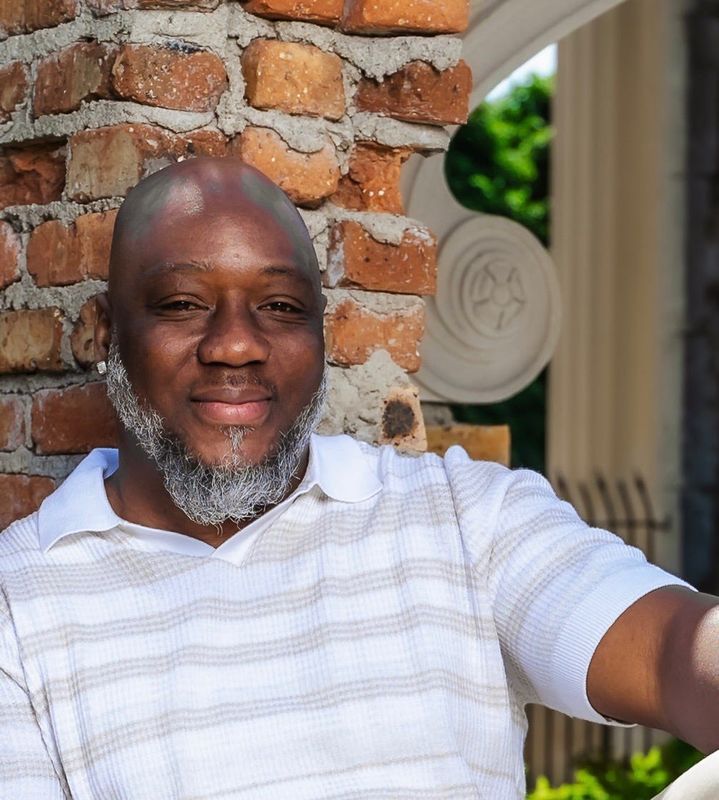
Ivan Blount, Ph.D, is a South Bend area native whose work examines how educational systems shape the identities, experiences and outcomes of Black men across the K-12 to higher education pipeline.
This article originally appeared on South Bend Tribune: Look beyond data on disparities in South Bend schools | Opinion
Reporting by Ivan Blount, Guest columnist / South Bend Tribune
USA TODAY Network via Reuters Connect