Bat maternity season in Florida starts on Thursday, April 16. After that date, you won’t be allowed to remove them from your home until August, according to the Florida Fish and Wildlife Conservation Commission.
So what happens if you have bats in your belfry? (Or more likely walls, attic or shed?) Knowing what to do before and after the seasonal restriction can help you avoid both wildlife violations and costly cleanup.

What is bat maternity season in Florida?
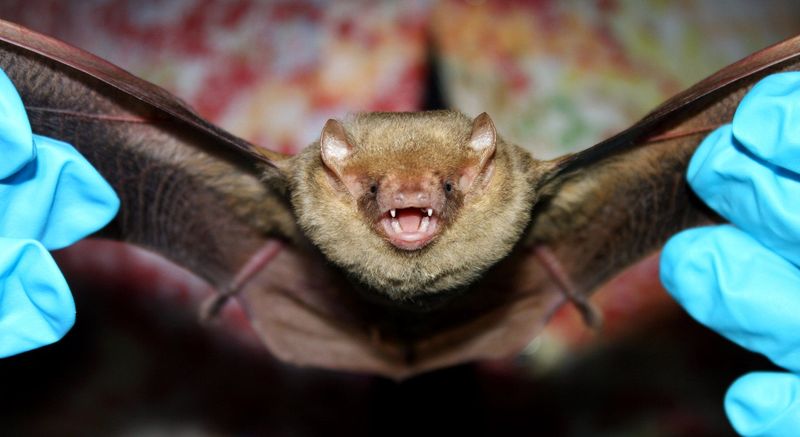
Every year around this time, the 13 native Florida species of creepy yet cute, warm-blooded mammals give birth and raise their young, and they are protected by state law.
The only legal and most effective method to remove roosting bats is to use exclusion devices, which allow them to leave their roost but prevent them from getting back in. But during bat maternity season, young bats are not yet able to fly, so sealing exits or installing one-way devices can trap pups inside, separate them from their mothers, and leave them to die.
Between April 16 and Aug. 14, those techniques are illegal in Florida without a permit for homes, businesses, and other structures. You may need to get used to your house guests.
I just heard scratching in my attic. Could it be bats?
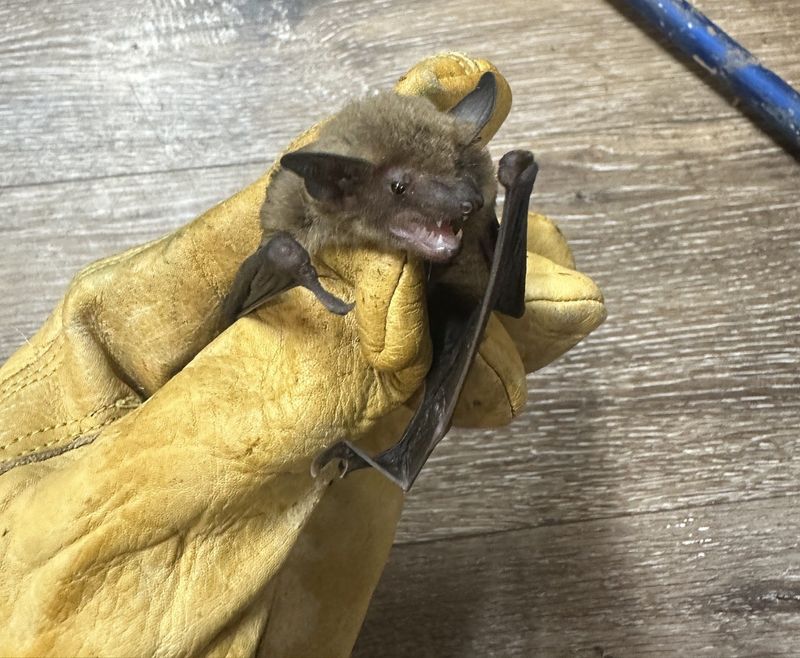
Many Florida homeowners first suspect bats when they hear scratching, rustling, or light squeaking coming from an attic, soffit, or wall, especially around sunset or just before dawn. People sometimes also notice small, dark droppings or see bats flying out from a particular gap or roofline as the evening begins.
Those signs alone are not enough to confirm an infestation, but they are a clear signal to pause before sealing any openings or spraying chemicals. Because bat removal is regulated, experts and state wildlife guidance urge residents to identify the animals correctly and understand the legal limits before trying to evict them.
Why is Florida so strict on bats?
“Bats are highly ecologically and economically beneficial,” the FWC said. “Florida’s bats are insectivores, with a single bat eating up to hundreds of insects a night, including mosquitoes and other garden and agricultural pests.
“Worldwide, bats serve critical functions due to their roles in insect pest control, and as pollinators and seed dispersers, and their guano can be a valuable fertilizer.” Bats save farmers millions, the FWC said. A single bat preys on hundreds of mosquitoes and agricultural pests every night.
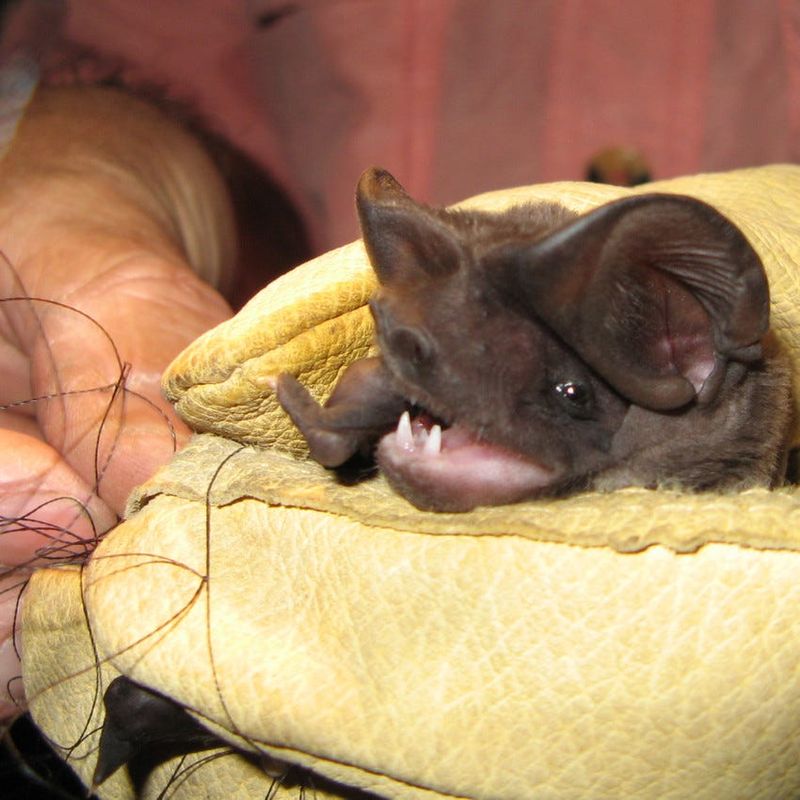
Florida’s native species also include endangered species such as the Florida bonneted bat.
That doesn’t mean you want them taking up residence in your attic, though. The guano smells, the noise can be annoying, they may cause structural damage, and there is a risk of transmission of diseases such as rabies.
Is it too late to legally exclude bats this year?
You’ve got through April 15 for professionals to set up one-way devices and seal structures without violating those rules. But once the maternity season starts, exclusions aimed at forcing bats out of a building are not allowed until the season ends.
What if I miss the deadline, or find bats afterward?
If you realize bats are in your home after the maternity period has already begun, you can monitor them, see where they’re getting in, and plan for the future. Floridians are expected to wait until the protected window closes before addressing infestations in any way that could kill bats.
If you have questions about your particular situation, contact your closest FWC Regional Office to speak with a wildlife assistance biologist.
What should I do right now if I think I have bats?
Once you’ve confirmed where bats are getting in, the most common method to evict bats is with the exclusion device. You may want to consult with a qualified professional who understands Florida’s bat rules and timeline.
Seal the entry point(s) with caulk, mesh screening, or other materials. Install exclusion devices on exit points where they’ve been getting in and leave them there for at least four nights when the overnight temperatures are forecast to be 50 degrees or more.
Once you’re sure all the bats are out, remove the devices and seal up those holes. You should also carefully clean and disinfect the area where they were roosting.
You can find more tips on ridding yourself of single bats or entire colonies here.
If you are already inside the maternity season, focus on documenting the issue, reducing other entry points pests could use, and scheduling exclusion work for the first legal opportunity after the protected period ends.
How do I prevent bats from getting in my house?
Bats are good for the environment, and some native Florida species, such as the Florida bonneted bat, are endangered. Your best bet is to keep your house sealed (regularly inspect for developing entry points) and offer alternative housing. The FWC recommends:
How can I help bats?
There are several ways you can help support bat conservation.
C. A. Bridges is a journalist for the USA TODAY Network-Florida’s service journalism Connect team. You can get all of Florida’s best content directly in your inbox each weekday day by signing up for the free newsletter, Florida TODAY.
This article originally appeared on Tallahassee Democrat: Got bats in your attic? Florida’s removal rules change April 16
Reporting by C. A. Bridges, USA TODAY NETWORK – Florida / Tallahassee Democrat
USA TODAY Network via Reuters Connect