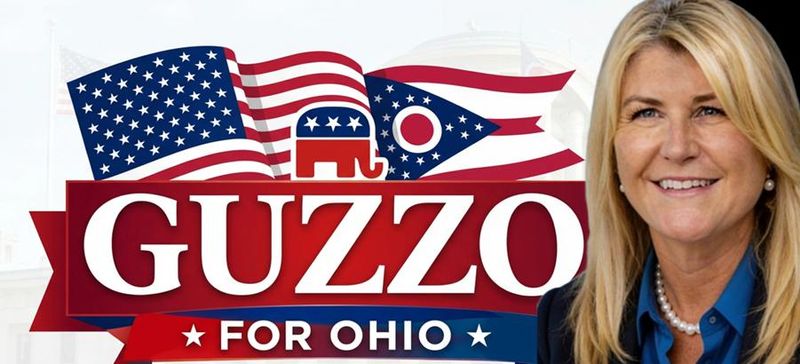
Republican voters in Ohio’s 60th House District will be choosing between two candidates in the May 5 primary election: Incumbent Brian Lorenz and Peggy Guzzo.
The district includes parts of southern Delaware County, including Powell, Lewis Center and the Polaris area.

The winner of the contest will face the winner of the Democratic primary, either Shelby Kimball or Eli Wenzel.
Ohio’s primary election is May 5, with polls open from 6:30 a.m. to 7:30 p.m. Voters also may cast their ballots early in-person at the Delaware County Board of Elections, 2079 US Highway 23 N Suite 4, or by absentee ballot. To vote absentee, registered voters must fill out an application to their county board of elections, complete the ballot the board mails to them, and must return the ballot by mail or at the elections office drop-off box by 7:30 p.m. May 5 when polls close.
The information below was supplied by candidates responding to a questionnaire. The Dispatch only edited responses for length or clarity.
Peggy S. Guzzo
Age: Did not respond. Public records indicate she is 61.
Website: Guzzoforohio.com
Background: I am an attorney with Guzzo Law Office, LLC. I earned my Juris Doctor from Capital University Law School in 2012 and a Master of Laws (LL.M.) in Business and Taxation in 2013. I received my undergraduate degree from the Ohio State University, earning a B.A. in psychology with a minor in marketing. I have previously been elected to serve as a Powell City Council member and as a Liberty Township trustee, where I worked to represent the interests of local residents, government efficiency, responsible development, greenspace, bike paths, and give citizens a voice on local zoning matters.
Why are you the best candidate? I am the best candidate because I bring a proven record of fighting for empowering citizens and the principles that matter most – faith, family, freedom, and low taxes, while empowering citizens to have a real voice in local government.
My public service began by leading a citizen referendum to stop inappropriate development to protect my local community. Later, as a Powell City Council member, I advanced government transparency and efficiency, improved building standards, developed self-funded parks and community events, and prioritized residents over special interests. As a Liberty Township trustee, I continued that objective by initiating an internal audit to achieve transparency and efficiency, promoted responsible development and comprehensive planning, expanding parks, creating a master community bike path plan, and defended citizens’ voice on local zoning matters, while keeping taxes low.
That experience led me to become an attorney to help empower citizens against well-funded special interests. Today, I am running for State Representative to restore and strengthen citizens’ rights, especially the right to petition and vote on local zoning changes through referendum. I will work to fix laws that don’t serve our communities and ensure Ohio’s laws protect and serve us and put people, not special interests, first.
What is your plan for addressing rising property taxes? “I believe rising property taxes are placing an unfair burden on homeowners, especially seniors on fixed incomes. I support implementing a cap that limits annual property tax increases to no more than 3% over the prior year, providing predictability and protection from sudden tax spikes.
In addition, I propose a targeted tax relief plan for seniors. Beginning at age 67, homeowners would receive a phased-in tax credit on their property tax bill over five years to fully offset all property taxes, except those taxes dedicated to essential services like EMS, police, and fire. This approach allows us to protect critical public safety funding while helping seniors remain in their homes.
My plan restores balance by ensuring local governments live within reasonable limits, while prioritizing relief for those most impacted. We must protect homeowners, strengthen communities, and ensure our tax system is fair, transparent, and manageable for its citizens.
What, if any, role should state government have in addressing the shortage of housing in central Ohio? I believe State government should play a limited, targeted role in addressing the housing shortage while preserving local control. The state can help ensure a fair housing market by preventing corporate hoarding and price manipulation, by limiting the number of single-family homes owned by corporations or investment entities.
Additionally, the state should require local governments’ permit process to be reasonable and streamlined to expedite permit approvals for improvements on properties that are already properly zoned. This reduces unnecessary delays and helps increase housing availability without overriding local community standards.
However, decisions about zoning, such as housing type, density, and location, must remain at the local level. Local governments and residents are best positioned to understand the needs and character of their communities. My approach balances efficiency and fairness while protecting the rights of local citizens to shape their own community.
What, if any, role should the state government have in regulating data centers? Do they have a place in your community or not? I believe state government should play a limited, focused role in regulating data centers. At the state level, I support requiring data centers to be energy self-sufficient, so they do not strain or drain the power supply of surrounding communities. This helps protect residents and existing businesses from increased costs or reduced reliability.
Beyond that, I believe decisions about whether to allow data centers, and where they should be located, must remain at the local level. Rezoning and land-use decisions should be made by the communities directly impacted, where residents and local officials are best positioned to evaluate infrastructure, environmental impact, and compatibility with community character.
I believe data centers can have a place in a community and be a welcomed addition if they meet responsible standards and have local support. My approach ensures necessary safeguards while preserving the right of citizens to shape and protect their own communities.
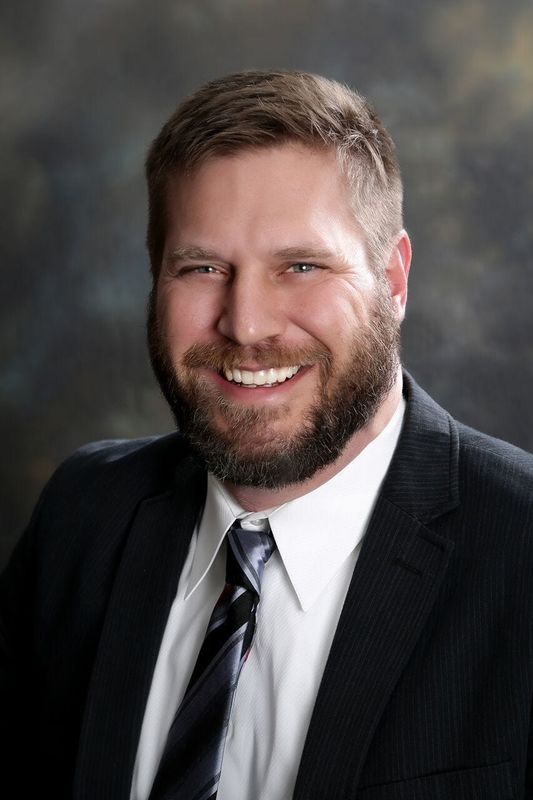
Brian Lorenz
Age: 53
Campaign website: Lorenzforohio.com
Background: I hold a master’s degree in urban planning from the Ohio State University. I spent 22 years in the private sector with WD Partners, working in planning and development and gaining real-world experience navigating regulations and supporting responsible growth. I also served on Powell City Council and later as Mayor of Powell, where I focused on infrastructure, community planning, and preserving the city’s character. I was appointed to the Ohio House in 2023 and am now serving my first full term. This background guides my practical, commonsense approach to public service.
Why are you the best candidate? I bring a proven record of delivering results for our community. I have worked to secure increased funding for our local schools and helped bring meaningful investment into the district to support infrastructure and community needs. My focus has always been on ensuring taxpayer dollars are used effectively to strengthen our schools and improve opportunities for students and families.
My background in economic development sets me apart. With over two decades in the private sector, I understand how to attract responsible growth, create jobs, and navigate complex development challenges. That experience allows me to work effectively at the intersection of business, local government, and community priorities.
Combined with my service in local government and in the Ohio House, I bring a practical, commonsense approach to leadership. I am focused on results, accountability, and making decisions that strengthen our communities today while positioning them for long-term success.
What is your plan for addressing rising property taxes? Addressing rising property taxes requires a combination of fiscal responsibility, targeted relief, and respect for local control. In the Ohio House, I have supported efforts to limit unnecessary government spending and ensure taxpayer dollars are used efficiently. I have also championed policies like a REINS Act approach to require greater accountability and oversight before costly regulations are imposed on Ohioans.
I am especially focused on providing relief for seniors. I am working with Rep. Richardson on legislation to expand the homestead exemption, helping those on fixed incomes keep more of what they’ve earned.
I also recognize the growing movement to abolish property taxes. I respect the will of the voters, and if that path moves forward, I will be prepared to support a system that is fair, sustainable, and protects critical local services.
Just as importantly, I work closely with our schools, townships, cities, and first responders, because property taxes directly fund the services our communities rely on. My approach is to balance relief with responsibility, ensuring we protect both taxpayers and the essential services they depend on.
What, if any, role should state government have in addressing the shortage of housing in central Ohio? State government has an important but limited role in addressing housing shortages. My approach is to remove barriers where they exist, while ensuring that decisions remain driven by the people who live in our communities – not dictated from Columbus. Local leaders and residents understand their needs best, and they should have the primary voice in shaping how and where growth occurs.
Because of my background in urban planning and economic development, I serve on the Ohio Housing Finance Authority, where I help guide thoughtful policies that support housing while respecting local control and community character. That perspective keeps me focused on practical solutions that expand opportunity without unnecessary mandates.
At its core, this is about preserving the American Dream, something I want for my own kids and every family in Ohio. That means making sure people can afford a home in a community that reflects their values, while keeping government’s role limited, responsible, and accountable.
I also believe in working closely with local governments, builders, and community members to ensure that growth is guided by those it impacts most.
What, if any, role should the state gov have in regulating data centers? Do they have a place in your community or not? I believe in being proactive, not reactive, when it comes to data center development and the infrastructure challenges it brings. With my background in urban planning and economic development, I’ve worked to stay ahead of this issue and make sure Ohio is prepared, rather than letting growth outpace our ability to handle it.
That’s why I introduced House Bill 361, to put a clear, responsible framework in place that protects taxpayers, respects local communities, and ensures decisions are made at the local level. Too often, government waits until problems become urgent before acting. I believe we should plan ahead, not play catch up.
I have also introduced energy legislation to help provide relief to Ohio’s power grid. As demand increases, we need reliable, affordable energy that supports growth without putting the burden on families and businesses.
My approach is grounded in limited government, fiscal responsibility, and local control. Communities should have the ability to make their own decisions about development, including whether they want data centers and how they are integrated. When local leaders and residents support this type of growth, they should have the opportunity to move forward with it. If they do not, that choice should be respected. The goal is to empower communities to guide their own future, not have it dictated from the state level.
Anna Lynn Winfrey covers the northwestern suburbs for the Columbus Dispatch. She can be reached atawinfrey@dispatch.com.
This article originally appeared on The Columbus Dispatch: Two Republicans are running in the Ohio House District 60 primary
Reporting by Anna Lynn Winfrey, Columbus Dispatch / The Columbus Dispatch
USA TODAY Network via Reuters Connect