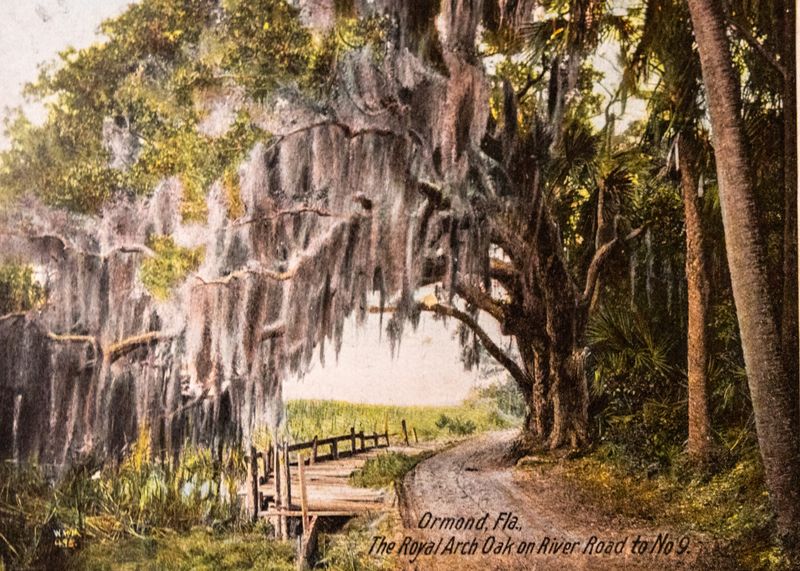
In 1876, 150 years ago, Chauncey Bacon, a 31-year-old Connecticut-born Union army vet, arrived in the northern precincts of what is now Ormond Beach, and set up camp. It was ninth on his list of likely sites to homestead, so he called the site Plantation No. 9.

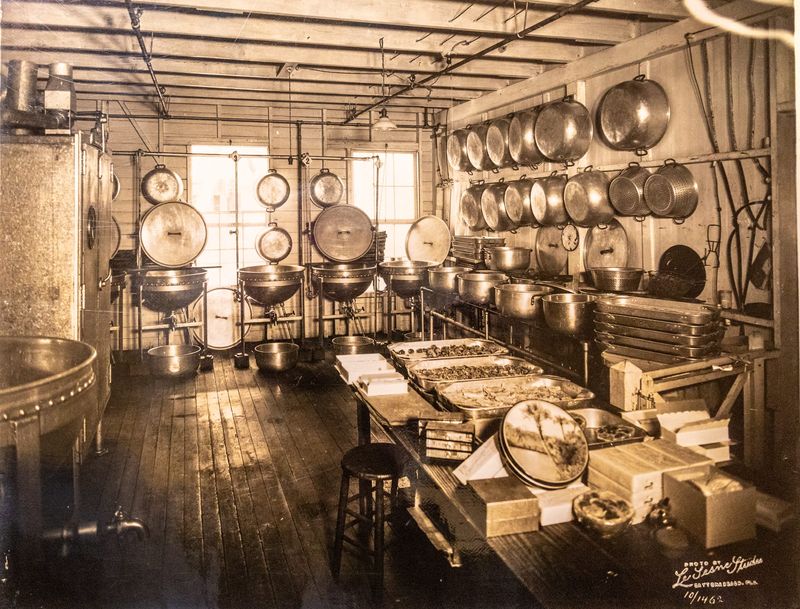
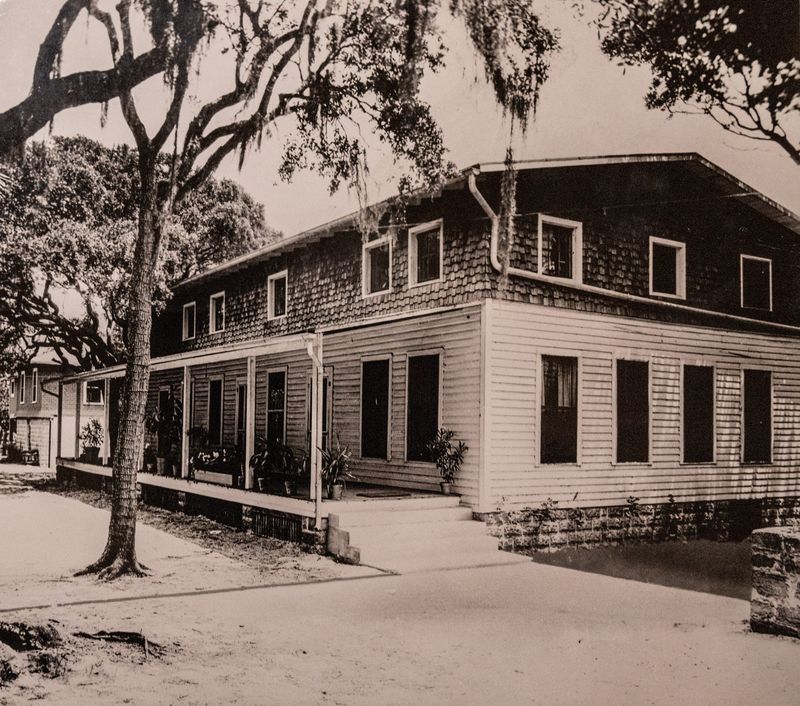
He became as known locally as “the Duke” because among the things he brought with him into the Florida wilderness was a fine top hat. The 1880 Census listed his occupation as “carpenter,” although he was an ambitious citrus cultivator. His wife, Jennie, taught school in Ormond. Their home, built atop a shell mound, and their processing kitchen were on present-day John Anderson Drive, Ormond-by-the-Sea, about 3 miles south of High Bridge.
Plantation No. 9 would become famous for its citrus — all kinds, more than 50 varieties — and especially the jams, jellies, marmalades, and preserves. At its height, the grove boasted some 1,200 orange trees as well as date palms, guava, peaches and bananas.
After the Ormond Hotel opened in 1888, Plantation No. 9 became a popular excursion for guests. After Bacon’s death, Ferdinand Nordman rode his bicycle from New Smyrna Beach to inspect the property and bought Plantation No. 9 in 1911.
Nordman, who also served in the Florida Legislature, expanded operations and ran the grove and processing kitchen until his death in 1965. His widow operated the venture for a time but sold it in 1968.
This article originally appeared on The Daytona Beach News-Journal: Plantation No. 9 in Ormond became known for citrus, jams
Reporting by Mark Lane, Special to The News-Journal / The Daytona Beach News-Journal
USA TODAY Network via Reuters Connect