The 2025-26 ACC regular season is officially in the books, and what a season it has been. This was the year the Atlantic Coast Conference reminded everyone that it is still college basketball’s most consistently fascinating conference. Not necessarily the deepest from top to bottom, but loaded with compelling storylines, star freshmen, coaching reinventions, and enough late-season chaos to keep the bracket picture murky from January through Senior Day weekend.
The ACC was not a one-story league, it was eighteen stories running simultaneously, intersecting constantly, and producing a regular season that will be referenced for years when the conversation turns to what makes this conference special. Here are our final power rankings from the regular season, with the ACC tournament nearly here.

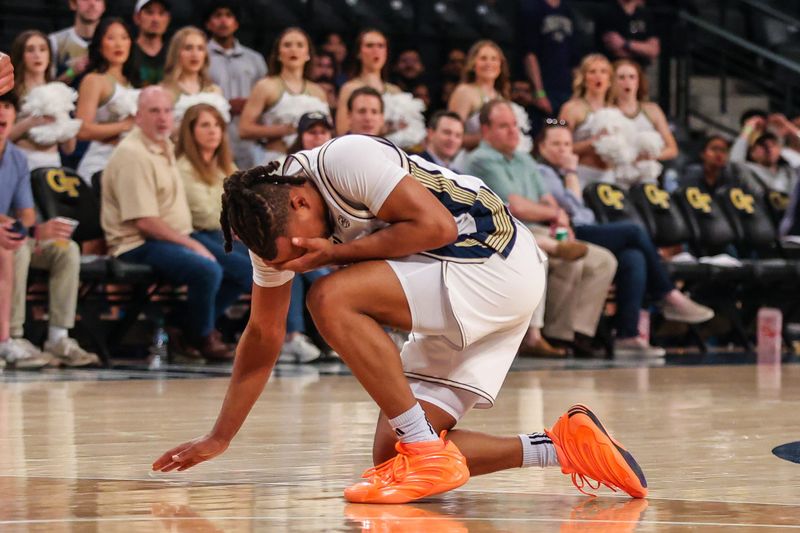
18. Georgia Tech Yellow Jackets (11-20, 2-16 ACC)
Georgia Tech finishes last in the ACC standings with a 2-16 conference record, though the overall 11-20 mark reflects a non-conference schedule that gave the Yellow Jackets opportunities to pile up wins against lower competition.
17. Boston College Eagles (11-20, 4-14 ACC)
Boston College finishes 4-14 in the ACC, a record that reflects a program in genuine transition under Earl Grant, who is still assembling the pieces needed to compete in this league. Boston College was a Pitt loss away from making the ACC tournament as a 15th seed, but fell short.
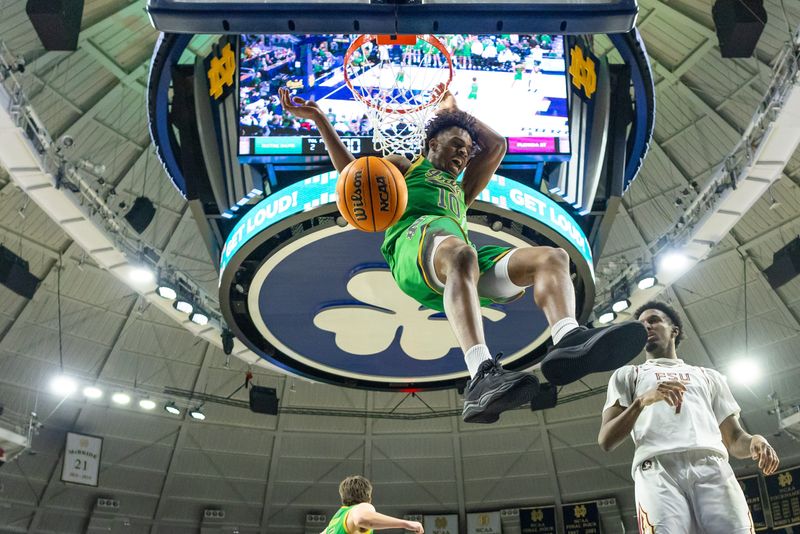
16. Notre Dame Fighting Irish (13-18, 4-14 ACC)
Notre Dame’s season was disappointing relative to the talent on hand, particularly freshman Jalen Haralson. Haralson was the highest-ranked recruit in program history in the class of 2025, who arrived with enormous expectations and delivered on them statistically (15 points per game) but couldn’t drag the Irish to a .500 record.
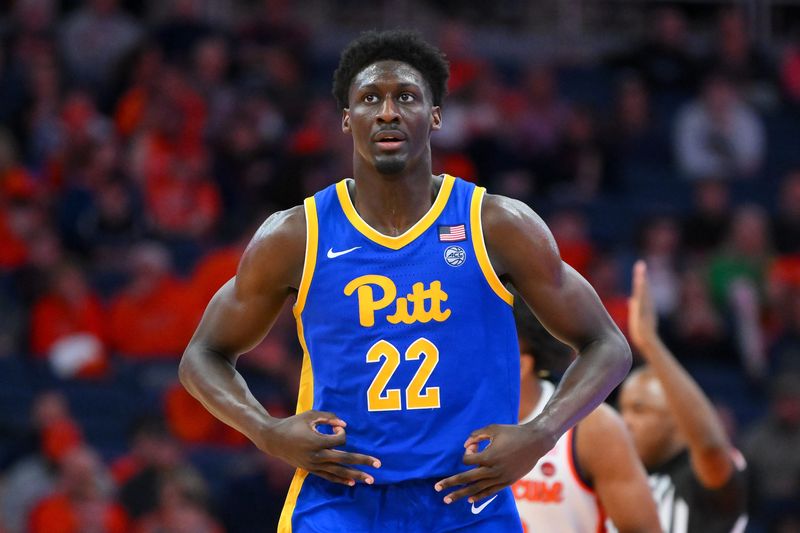
15. Pittsburgh Panthers (12-19, 5-13 ACC)
Jeff Capel’s job security heading into the offseason is a genuine question. The Panthers go to Charlotte as the 15 seed after defeating Syracuse, without momentum, and are likely to have a first-round exit.
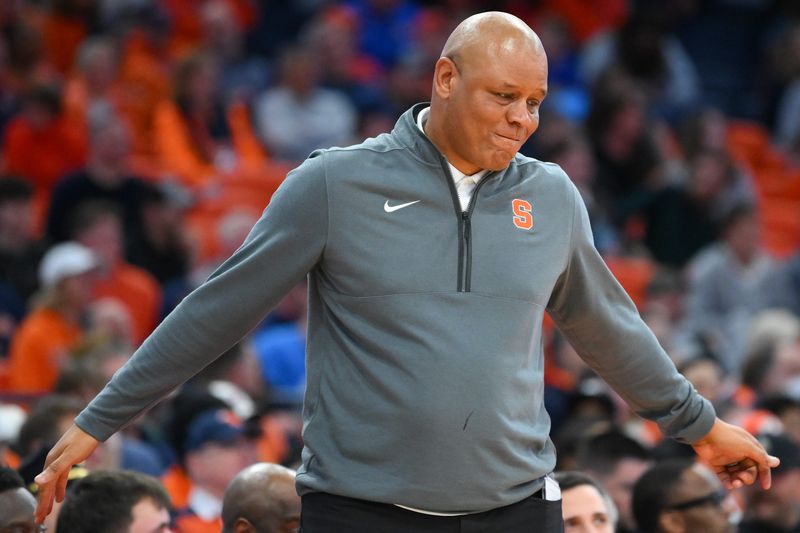
14. Syracuse Orange (15-16, 6-12 ACC)
Adrian Autry’s second season in charge of the Orange produced the same kinds of mixed results his first one did. At 6-12 in the ACC, the Orange were squarely on the bubble of inclusion in the ACC tournament and, quite possibly, looking at a summer of portal activity regardless of what happens in Charlotte.
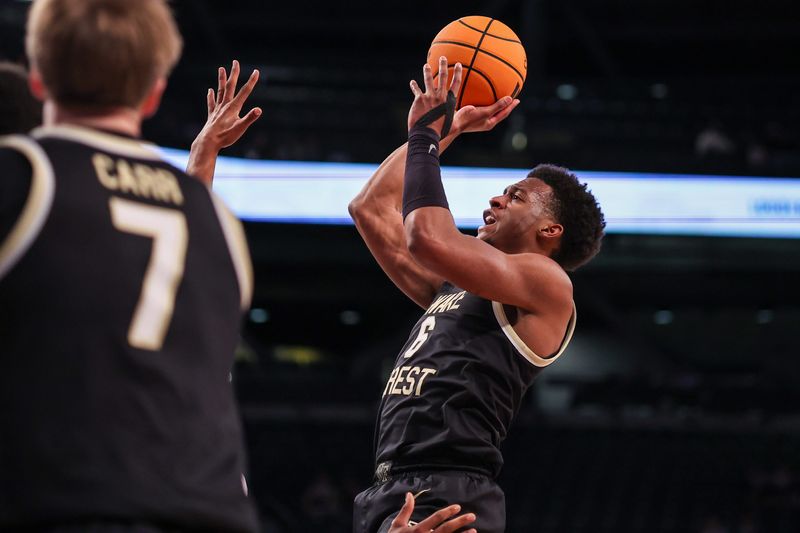
13. Wake Forest Demon Deacons (16-15, 7-11 ACC)
Steve Forbes’ program goes into the ACC tournament just above .500 overall, a fitting summary of a season that produced several thrilling moments alongside too many inexplicable losses. Myles Colvin and Juke Harris remain one of the ACC’s most entertaining backcourt duos and gave the Deacons moments of genuine brilliance.
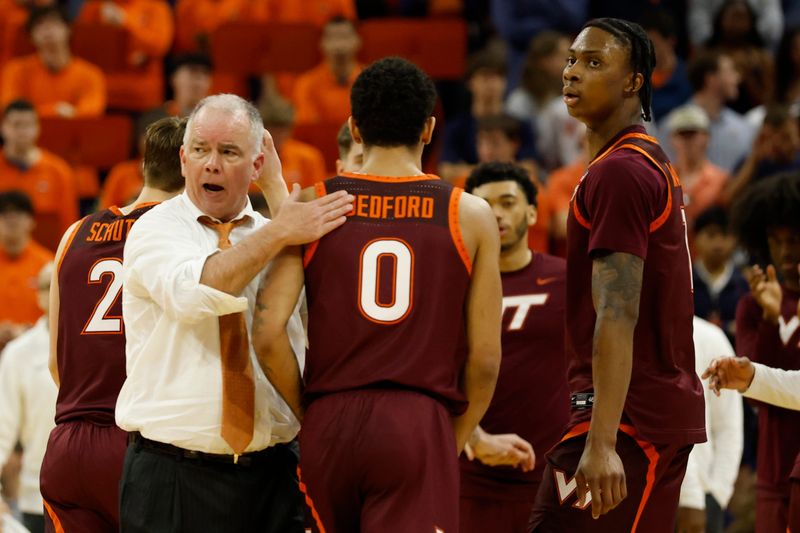
12. Virginia Tech Hokies (19-12, 8-10 ACC)
Virginia Tech’s season played out much like the preseason projections suggested: competitive, watchable, and ultimately lacking the breakthrough performance to separate itself from the middle of the ACC pack.
The issue is the ceiling: Virginia Tech is without a genuine star capable of taking over a tournament game the way a top program needs.
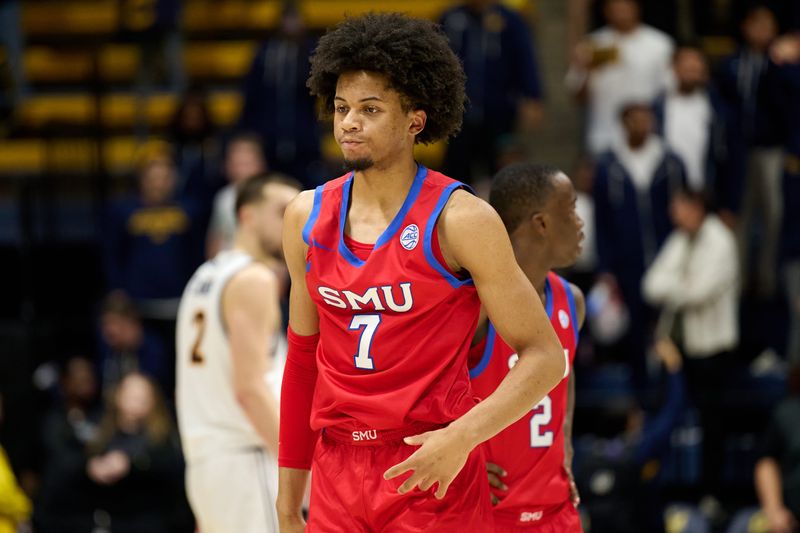
11. SMU Mustangs (19-12, 8-10 ACC)
SMU’s season ended on as difficult a note as possible. Four losses in their last five games, including a 91-78 Senior Day blowout at Florida State, where Andy Enfield’s team couldn’t contain Chauncey Wiggins despite 32 points from Boopie Miller in a losing effort.
The problem was consistency: SMU beat ranked North Carolina and Louisville at home, then lost to mediocre teams on the road and collapsed in the final weeks.
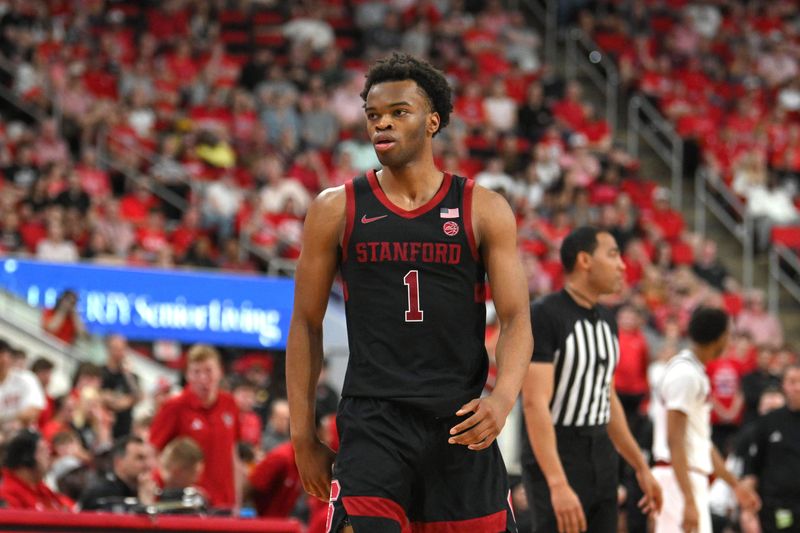
10. Stanford Cardinal (20-11, 9-9 ACC)
Stanford was the ACC’s other genuine surprise, powered almost entirely by freshman Ebuka Okorie — the combo guard who arrived as barely a top-100 recruit and finished averaging 20+ points per game while shooting efficiently from the field.
Okorie earned multiple ACC Rookie of the Week awards and is now firmly in the first round conversation heading into the NBA draft.
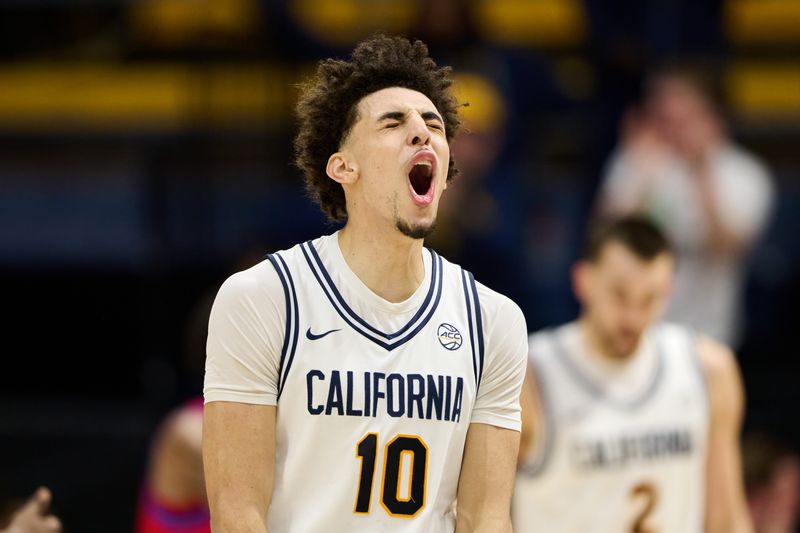
9. California Golden Bears (21-10, 9-9 ACC)
California was the biggest surprise of the 2025-26 ACC season. A year after struggling in their inaugural ACC campaign, Mark Madsen’s Bears went 9-9 in conference play and finished tied for ninth in the final standings.
Dai Dai Ames, the Virginia transfer, emerged as one of the most efficient guards in the conference, and the Bears’ combination of pace and perimeter shooting made them a difficult matchup throughout the year.
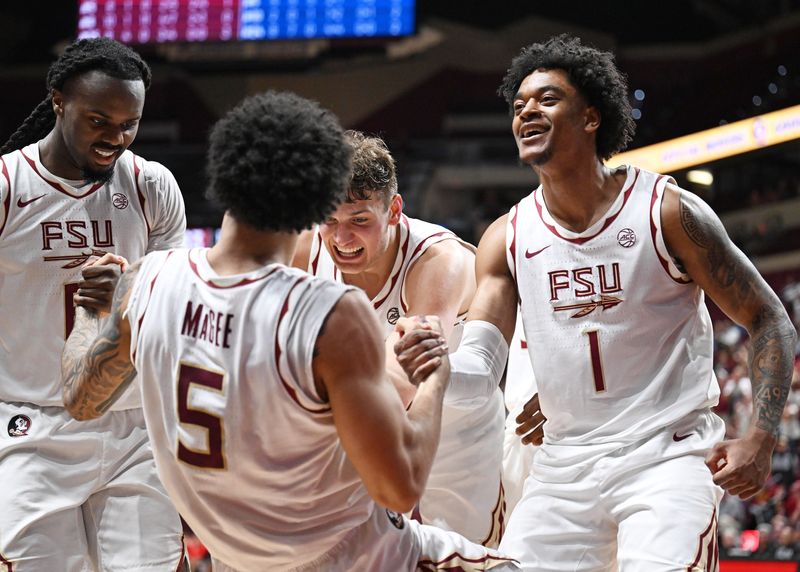
8. Florida State Seminoles (17-14, 10-8 ACC)
Florida State’s regular season was among the most improbable in recent ACC history. The engine was senior guard Robert McCray V, who broke a 54-year-old school assist record, earned ACC Player of the Week honors, and averaged 15.6 points and 5.9 assists per game.
FSU heads to Charlotte at 10-8 in the ACC with 10 wins in their last 13, making them a team that nobody in Charlotte should want to see on their side of the bracket.
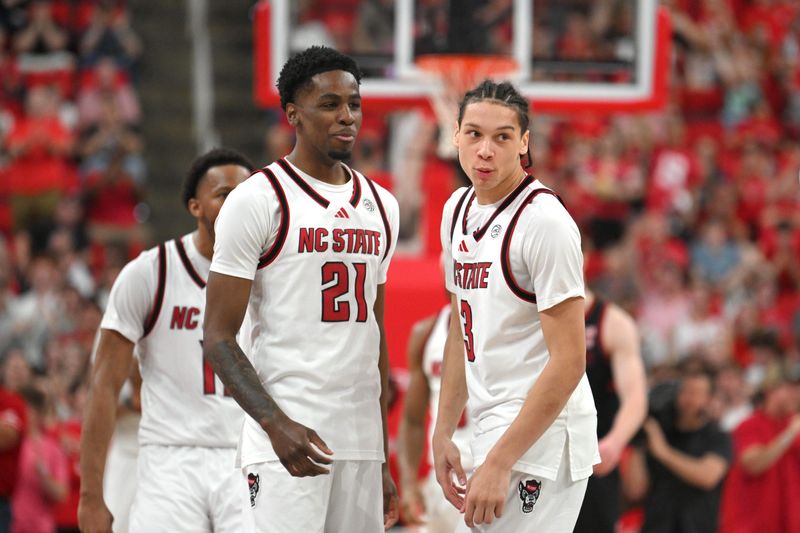
7. NC State Wolfpack (19-12, 10-8 ACC)
Will Wade’s first season at NC State looks like exactly the kind of foundation-laying year the Wolfpack needed after Kevin Keatts was shown the door. Darrion Williams, the preseason ACC Player of the Year, delivered on most of his billing, providing the interior mismatch the Wolf Pack had lacked since the Dennis Smith Jr. era.
The ceiling for this group in Charlotte is a Final Four run.
6. Louisville Cardinals (22-9, 11-7 ACC)
Louisville entered the season with first-round NBA draft talent from top to bottom: Ryan Conwell, Mikel Brown Jr., Isaac McKneeley, and Kasean Pryor were preseason All-ACC candidates, and spent the first two months living up to the hype. However, after continuous injuries throughout the season, the Cardinals lost four of their last six, including the slide that dropped them out of the Coaches Poll.
With an 11-7 ACC record, Louisville heads to Charlotte as a volatile sixth seed — dangerous when healthy, uncertain given their injury history.
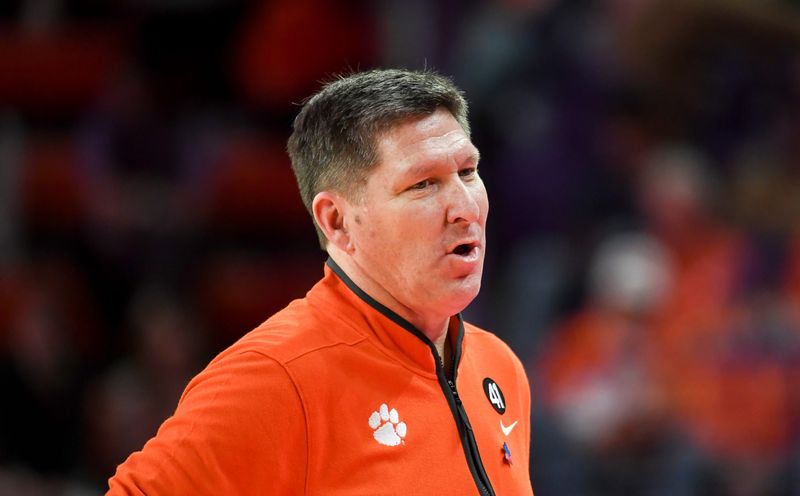
5. Clemson Tigers (22-9, 12-6 ACC)
Clemson’s season is the conference’s most complicated narrative. Brad Brownell’s Tigers were tied for first place in the ACC standings as recently as Feb. 9, had climbed as high as No. 18 in the Coaches Poll, and extended a 14-game ACC road winning streak. Then came a brutal four-game losing streak in February, a fall out of the rankings, and a drop to the fifth seed.
Brownell’s squad has the experience, having survived a gauntlet non-conference schedule early, to make a deep tournament run if they rediscover their early-season form.
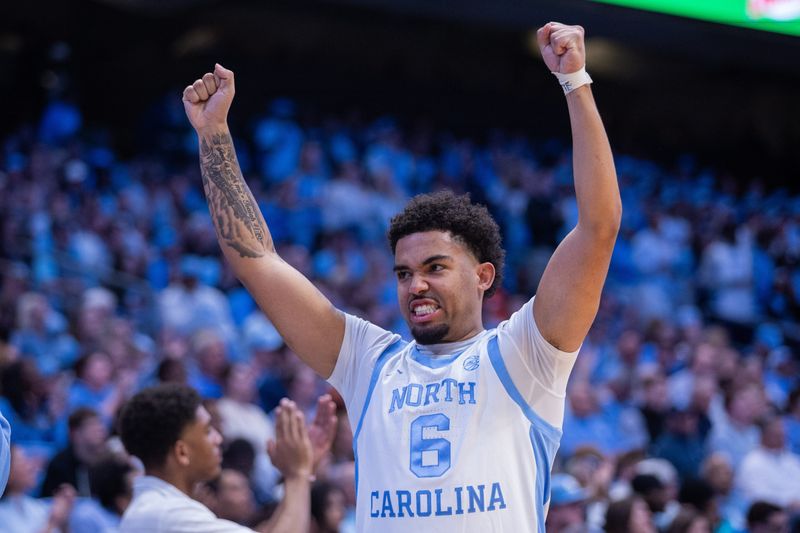
4. North Carolina Tar Heels (24-7, 12-6 ACC)
North Carolina finishes the regular season with the same overall record as Miami (24-7) but ranks fourth based on their head-to-head loss to the Hurricanes and a slightly softer closing stretch. The concern is the midseason volatility: UNC’s seven-spot drop in the Coaches Poll after losing to Miami on the road revealed a team that could be rattled in difficult environments.
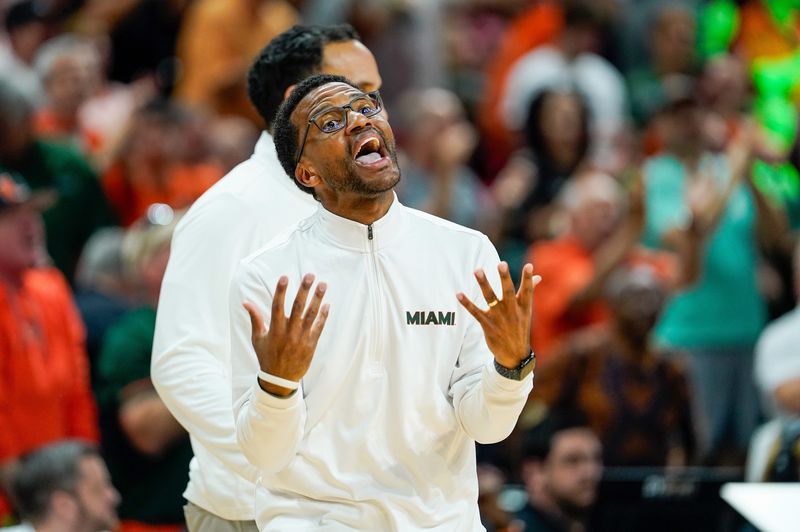
3. Miami Hurricanes (24-7, 13-5 ACC)
If the ACC has a feel-good story of the season, it belongs to the Miami Hurricanes. One year after finishing 7-24 in Jim Larranaga’s final season, one of the most painful collapses in program history, Jai Lucas arrived from Duke’s bench and transformed this program with stunning speed.
The question entering Charlotte is depth: Lucas only plays seven in most games, and if foul trouble bites, the margin narrows.
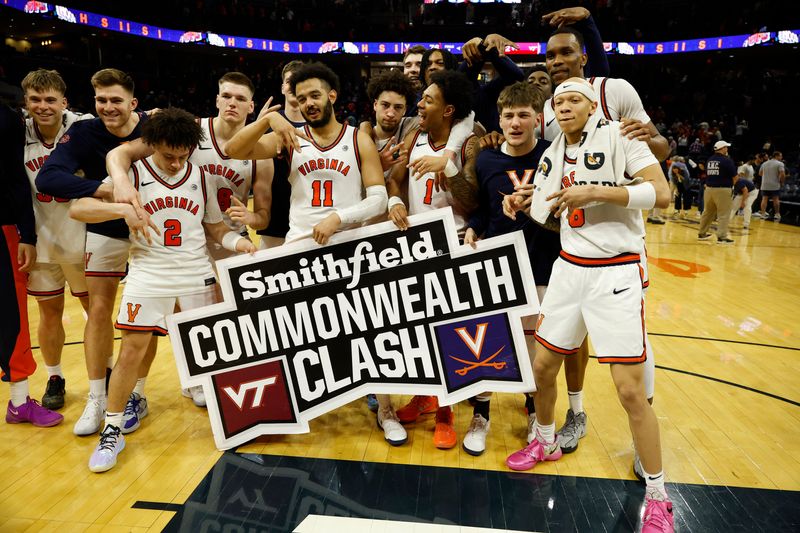
2. Virginia Cavaliers (27-4, 15-3 ACC)
Ryan Odom’s arrival in Charlottesville turned out to be one of the most inspired coaching hires of the decade. The concern is postseason execution: despite having the league’s second-best NET ranking, Virginia has yet to prove it can close games against elite competition when the margin for error narrows.
If Thijs De Ridder and Malik Thomas are both cooking, they can beat anyone.
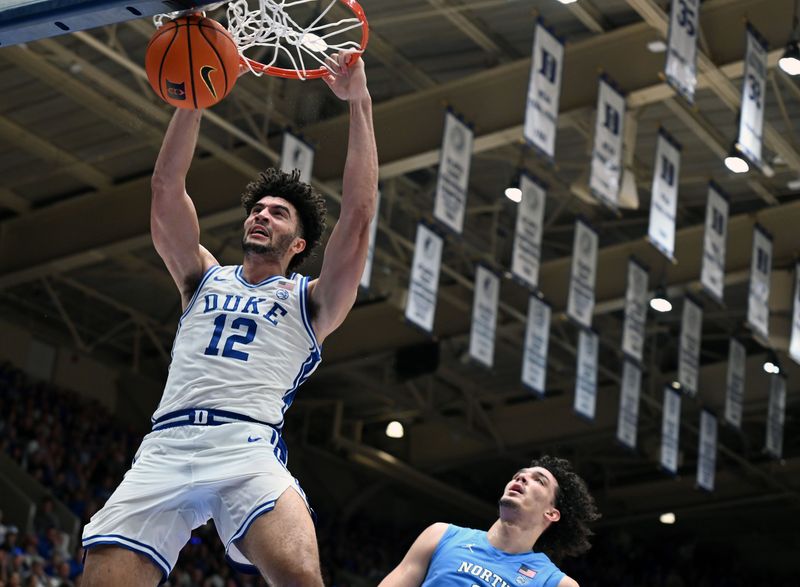
1. Duke Blue Devils (29-2, 17-1 ACC)
The Blue Devils finished 29-2 overall and 17-1 in the ACC, setting a program record for conference wins in a season and becoming the first ACC team in history to beat 10 ranked opponents in a single regular season. Cameron Boozer, the freshman forward who arrived in Durham as the No. 3 recruit in the nation, delivered on every promise.
Jon Scheyer has done something remarkable: lost Cooper Flagg, the No. 1 overall NBA draft pick, and gotten demonstrably better. The Blue Devils are not just the ACC’s best team, they are a genuine national title contender.
Follow us @FSUWire on X and like our page on Facebook to follow ongoing coverage of Florida State news, notes, and opinions.
This article originally appeared on FSU Wire: Final ACC Regular-Season Power Rankings: Time for the ACC tournament
Reporting by Brandon Foster, FSU Wire / FSU Wire
USA TODAY Network via Reuters Connect