This story is part of our weekly Hidden Gems feature series as the USA TODAY Network-Florida takes readers around the state to highlight some of our most interesting attractions.
The Orlando area is known for elaborate theme parks, tolls, tourists, and traffic. But wildlife? Not so much. That’s why Lake Apopka and Lake Apopka Wildlife Drive fly a bit under the radar when it comes to Central Florida attractions.

The lake is about 25 minutes or so west of downtown, and provides quite a contrast to its urban neighbor. It provides an unmatched experience to observe hundreds of species of birds and other wildlife, unique to Florida.
And Lake Apopka Wildlife Drive provides a front-row seat to all that nature.
What is the Lake Apopka Wildlife Drive?
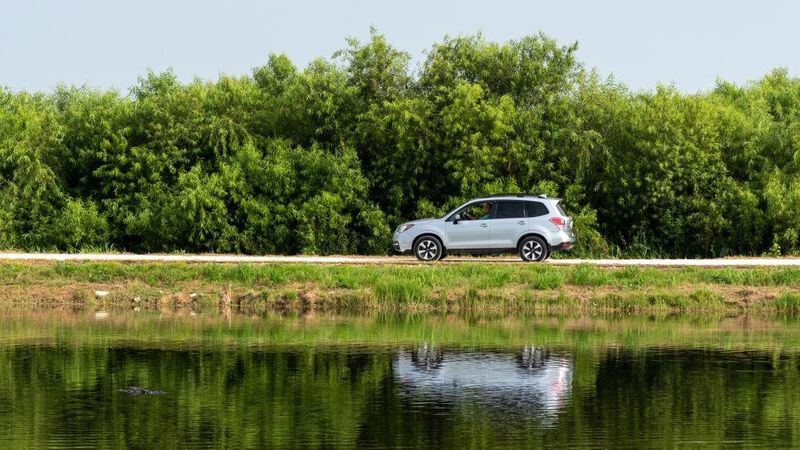
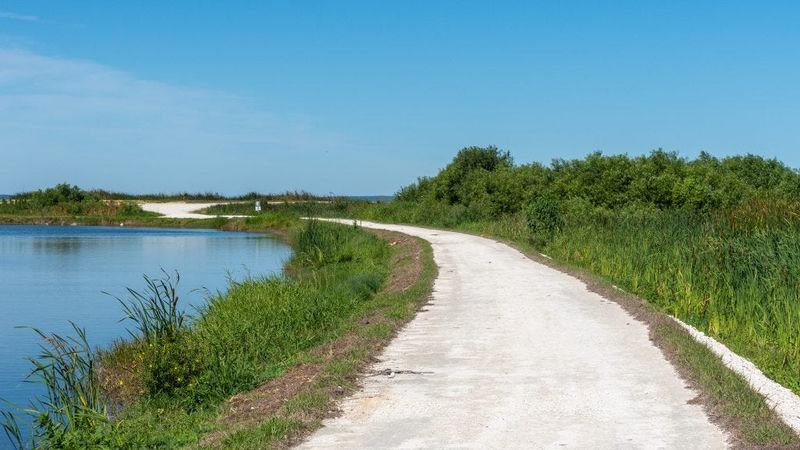
The Lake Apopka Wildlife Drive is a one-way, 11-mile drive that meanders along the eastern part of the lake. It begins at Lust Road and ends on Jones Avenue.
The entire drive can take between one and three hours. Guests can make as many stops as they like at “designated pull-outs provided along the length of the drive,” according to the St. Johns Water Management District.
The speed limit is 10 mph, and the maximum vehicle length is 25 feet. There are a few picnic pavilions and restrooms along the way.
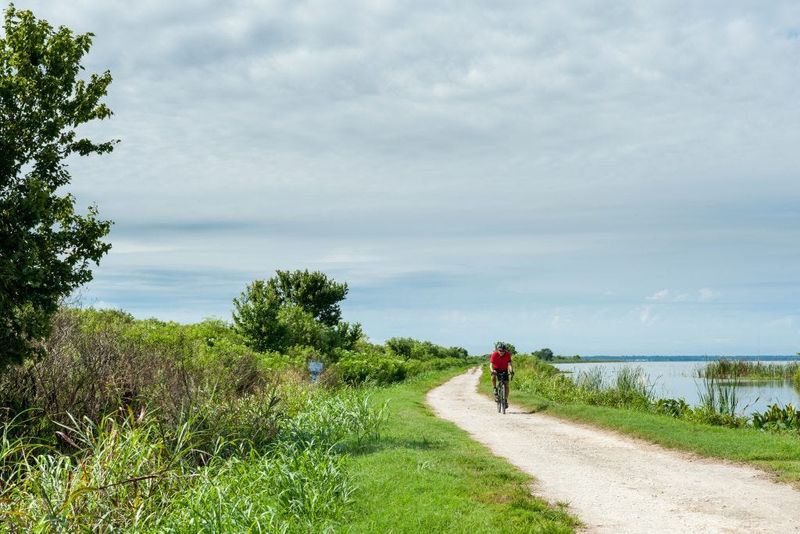
A portion of the drive intersects with a multi-use trail, and visitors need to watch for hikers, bicycle riders, and others who share the road.
Where is the Lake Apopka Wildlife Drive?
The entrance gate to Wildlife Drive is at 2850 Lust Road in Apopka.
Why should I go?
The Lake Apopka Wildlife Drive is the spot to go if you want to have an authentic Florida experience — all from the comfort of your car.
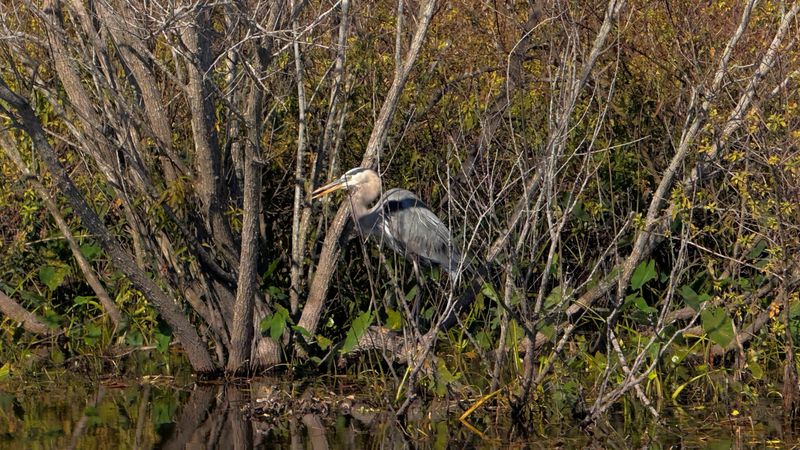
For bird watchers, the north shore area of Lake Apopka is one of the top three birding areas in the state, right there beside Everglades National Park and Merritt Island National Wildlife Refuge. More than 377 different bird species have been recorded there.
Other wildlife found there include turtles, bobcats, otters, raccoons, snakes, and coyotes.
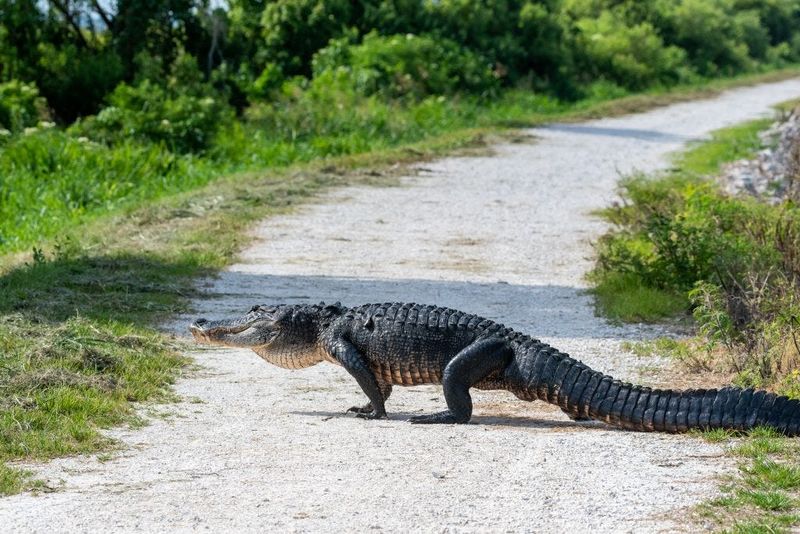
Visitors are encouraged to make stops along the way to take photos, enjoy the sunshine, and get a close-but-not-too-close view of a massive alligator strolling about. If you feel like getting out of the car, many other activities go on in the area.
There is a six-mile marked trail for hikers, bikers, and horseback riders on Clay Island with four observation towers, including one overlooking the lake. There are an additional 2.6 miles of trails, also for biking, hiking, and horseback riding.
What is its history?
The Lake Apopka Wildlife Drive celebrated its 10th anniversary in May. It attracts approximately 150,000 visitors every year, according to the water management district.
The drive is part of the district’s 20,000-acre Lake Apopka North Shore restoration area.
The north shore was being used for farming when the water management district began buying it up in 1988 to improve Lake Apopka’s water quality and restore wetlands.
The Lake Apopka North Shore area is a “true diamond in the rough,” the water management district says in a guide. “The restoration of former muck farms has transformed this area into a haven for wildlife and a jewel for the recreating public.”
When is Lake Apopka Wildlife Drive open?
The Lake Apopka Wildlife Drive is open for vehicular access from 7 a.m. to 3 p.m. on Fridays, Saturdays, Sundays, and on federal holidays. All vehicles must exit the drive by 5 p.m.
There’s no fee, but donations are welcome and go toward the drive’s upkeep.
Where do I learn more?
To learn more, call 386-329-4404 or visit sjrwmd.com/lands/recreation/lake-apopka/.
This article originally appeared on The Daytona Beach News-Journal: Lake Apopka Wildlife Drive: Catch a glimpse of wildlife, nature at this Florida hidden gem
Reporting by Brenno Carillo, Daytona Beach News-Journal / The Daytona Beach News-Journal
USA TODAY Network via Reuters Connect