We are all the sum of our parts — our experiences, our families, our friends and the people who cross our paths. After decades traveling the world in technology — working with customers across industries and more than 20 countries — I eventually found myself rooted in Wichita Falls.
I moved here in 2015, and now, for the first time in my life, I’ve lived in one place longer than anywhere else.

I wasn’t born here, but this is home. Home brings responsibility.
I learned early that each of us carries an obligation to leave things better than we found them. We give others a hand up not a handout. We teach them how to fish so they can pay it forward. That’s how society grows toward a better tomorrow.
This saying is something to keep in mind: “A person who never made a mistake never tried anything new.”
That reminder matters today, because communities like ours must rethink how we grow, how we adapt and how we prepare for a future that doesn’t look like our past.
Doing what we’ve always done won’t get us where we need to go.
Service has always been my compass. I’ve volunteered in more organizations than I can count, following the example set by my parents and grandparents.
Every role expanded my understanding of others and deepened my appreciation for the quiet work that keeps a community moving forward. Today, my focus is serving on the Wichita Falls Planning and Zoning Commission and volunteering at the North Texas Food Pantry.
Planning and zoning may sound procedural, but it is one of the most important levers a city has. Texas Local Government Code Chapter 211 requires home‑rule cities like ours to maintain commissions that guide land use as communities grow. These commissions study, plan and recommend policies shaping transportation, utilities, housing, business development and the character of our neighborhoods.
The City Council makes the final decisions, but the commission sets the stage.
Growth, however, has been elusive. Wichita Falls has slipped from the 12th largest city in Texas in 1970 to 43rd today.
We build about 100 new homes a year. We maintain 543 miles of streets, and 60% of our asphalt roads are more than 45 years old. A city without growth struggles to maintain infrastructure, fund operations and keep residents and businesses satisfied. Growth isn’t just about numbers. It’s about the resources required to sustain the quality of life people expect.
Manufacturing once anchored our economy, but like much of the country, those operations moved offshore.
We’ve seen pockets of success with local businesses, yet population decline continues — losing a few families each week, according to state and federal projections.
Meanwhile, the world has shifted from an oil‑driven economy to an information‑driven one. Data centers have become the new factories — powering the knowledge mining that fuels innovation in technology, medicine and countless other fields.
They require power, modest water and strong internet bandwidth. Today, data centers account for roughly 1.2% to 1.6% of U.S. GDP and represent one of the largest investment mobilizations in American history.
At our Aug. 12 planning and zoning meeting, commissioners faced two decisions tied directly to growth: a proposed data center and the implications of Texas Senate Bill 785, which expands where HUD‑code manufactured homes may be placed within city limits.
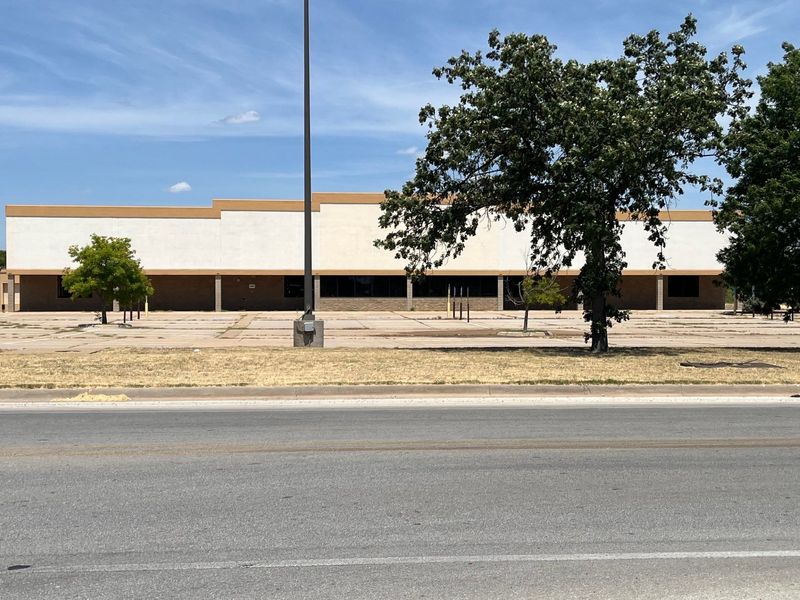
The 12‑megawatt data center proposal fit within an existing 37,000‑square‑foot commercial building at Airport Road and Interstate Highway 44.
The city’s director of development services, Fabian Medellin, noted this 12 megawatt requested data center falls below the 75 megawatts threshold that mandates a state review of data center applications.
DataNovaX explained this would not be a hyperscale facility training AI models, but an edge‑focused center answering user’s AI queries. The project met city conditions for air‑cooling, low water use, noise abatement and screening. We unanimously approved it — adding roughly $100 million to the local tax base.
Senate Bill 785 required deeper reflection. After public input, the commission voted against restricting manufactured homes to narrow zoning categories. Residents spoke about rural‑feeling neighborhoods zoned single family 1 and the desire to allow children or aging parents to place a second home on family land.
Economics of the land and home purchase — not exclusion — should guide placement.
Communities grow when people are allowed to build lives close to the people they love.
That’s where we’re going — toward connection, toward service and toward choices that strengthen the fabric of Wichita Falls.
Jack Browne is a community activist and former technology executive who believes in the power of connection, service and lifelong learning.
This article originally appeared on Wichita Falls Times Record News: Where are we going? | Opinion
Reporting by Jack Browne, Wichita Falls Times Record News / Wichita Falls Times Record News
USA TODAY Network via Reuters Connect
By Jack Browne, Wichita Falls Times Record News | USA TODAY Network