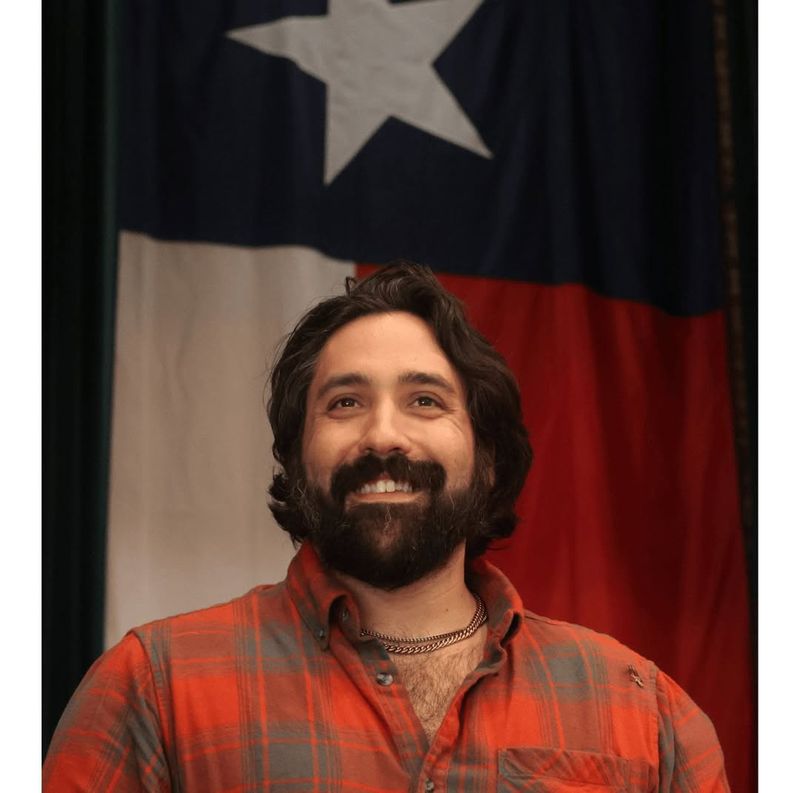
LUBBOCK, Texas — Read Riley Rodriquez’s Democratic candidate questionnaire for Texas Senate District 28.
Note: The Lubbock Avalanche-Journal/ USA TODAY Network only edited the response to comply with journalistic standards and did not change any responses.

Q: What do you see as the most pressing issues facing Senate District 28 and West Texas and how would you address them if elected to the Senate?
A: The most pressing issue for Rural Texans is cost of living from housing to healthcare, it’s too damn expensive for working class Texans to get ahead.
I would work on practical policy, Home hardening exemptions and grants to bring down homeowners insurance premiums, property tax abatement caps for large corporations and developers buying up large tracts of land that could otherwise be used for farm and ranch land to increase revenue to support rural hospitals, schools and public services, and removing exemptions offered to corporations that directly or indirectly push the cost on to consumers, like the electricity sales tax exemption Data centers receive.
Q: Why are you running for Texas Senate, and what do you believe qualifies you to represent SD 28 in Austin?
A: I am running for Texas state senate because I have the unique experience of having lived in several different communities throughout this specific district so I am in touch with the issues that reach across the aisle in rural Texas. Once the vouchers were passed, and data centers began moving in I realized that if I wanted to make a difference for district 28 I was gonna have to aim high and because we will need a united front from the Capitol to the community center.
I feel I am uniquely qualified because I have the experience of having lived my entire life from public school to private business owners in rural Texas, and under Republican representation. I have 33 years of experience knowing what the problems are and not having them fixed. I am qualified to fight to fix the issues my constituents are facing because I’m standing beside them facing the same things. The representation we have now has sat back, nibbled around the edges and gaslit for long enough. They’ve proven over 3 decades of patronage to billionaires that they will put private interests over public good.
Q: Rural healthcare access remains a critical challenge in West Texas. What is your approach to ensuring residents in SD 28 have access to quality healthcare, and what legislative solutions do you support?
A: My approach to rural healthcare is measured, the way that the federal government has structured Medicare and medicaid, it makes it a challenging process for legislators in general, and in a state like Texas its doubly difficult due to the structure of our legislative t it is going to be difficult to undo the damage the passed legislature has already allowed to be done to rural Texans.
That being said I feel the first approach is to go at costs for these hospitals. It’s no secret that running a hospital is expensive; running one in a rural district is no different. First, I would aim to cut administrative costs, subsidizing data software for rural hospitals an added barrier to hiring more doctors due to cost per physician. As well as push for tax credits and grants for doctors, PAs, nurse practitioners and specialists that set up a practice in rural communities.
Q: Property taxes continue to burden Texas families and businesses. What have you done or what would you do to provide meaningful property tax relief for your constituents?
A: I would stop putting a bandaid on property taxes by using exemptions, it’s great that we got another exemption but housing in my district has risen 56% in the last 6 years so in another couple years that bandits gonna fall off, again.
Here’s what we need: practical policy, increasing access to funding for grants to working-class homeowners who fortify their homes, fixing their roofs, retrofitting their homes and protecting themselves against the increasingly severe weather patterns in Texas.
Q: SD 28 has historically been a Republican-leaning district. How would you represent all constituents regardless of party affiliation, and what would you bring to the Senate Is that different from the current representation?
I plan to continually engage with my district not just during campaign season but regularly to hear the voice of the people. I came into this race as an independent, I chose democrat because of the democrats in my local community.
However, I’ve always been independent-minded and believed that everyone has a voice and a say. I understand the concerns of republican constituents and democratic in District 28 because outside of what FOX News andCNN are squawking about, left or right its plain to see its harder and harder to get by, while a small few get disgustingly wealthy I don’t need someone to think exactly I do or agree with me on every issue to want to look out for them, that’s not what I was taught as a child, I was taught to look out for my neighbor, period. What makes me different is I haven’t and won’t sell out my rural district for Big tech corporations, public funding to private schools, and less access to Healthcare options for patients. I’m going to the capitol to do a job for the people not protect profits for the billionaires.
Q: Artificial intelligence and data centers are rapidly expanding in Texas, putting pressure on the energy grid and water resources—both critical to West Texas. How should the state balance technological growth with the needs of traditional industries like agriculture and energy production?
A: We should be working on caps for non-agricultural property tax abatements throughout the state. Remove energy sales tax exemptions for data centers from the data center tax exemption program and increase employment standards.
Create a rural water capture program to protect Texas groundwater from being bought up by data center developers and drained. This is an issue that will be fast approaching the state Capitol and District 28 needs a representative that cannot be swayed by big tech and DC.
Q: How would your approach to representing Senate District 28 differ from your Republican opponent in the general election?
A: District 28 has increasing prices, a higher poverty rate in the state average, mostly rural publicschools and is strapped for water. Our representatives have made it clear they can be bought and they can be bullied. 30 years and all its gotten the people of district 28 and Texas at large is higher grocery bills, higher housing costs, public funding to private schools, allowing and facilitating rural hospitals to wither while data center pollution risks our health, and refuse to put any guardrails on these massive resource-sucking investments with no plan for what comes after.
Mateo Rosiles is a reporter for the Lubbock Avalanche-Journal and USA TODAY Network in Texas. Got a news tip for him? Email him: mrosiles@lubbockonline.com.
This article originally appeared on Lubbock Avalanche-Journal: Read Texas Senate District 28 candidate Riley Rodriquez’s platforms
Reporting by Mateo Rosiles, Lubbock Avalanche-Journal / Lubbock Avalanche-Journal
USA TODAY Network via Reuters Connect