By Heather Schlitz
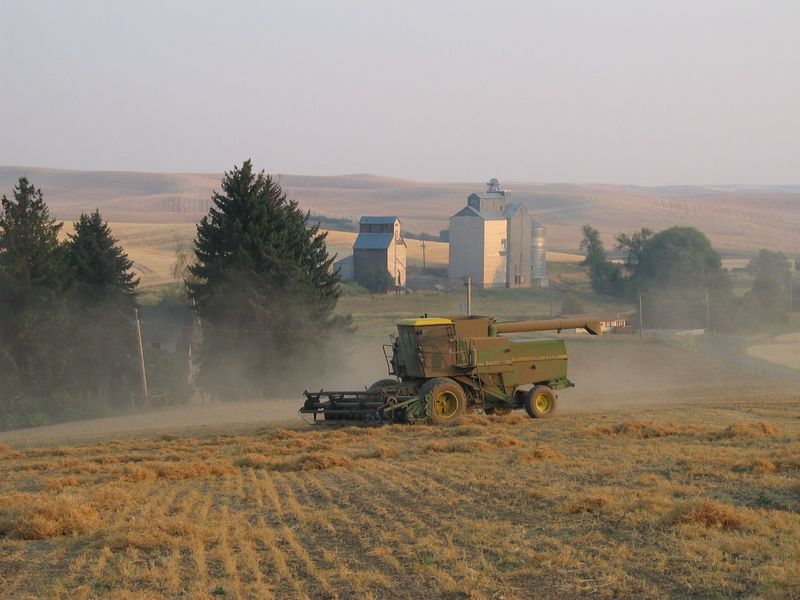
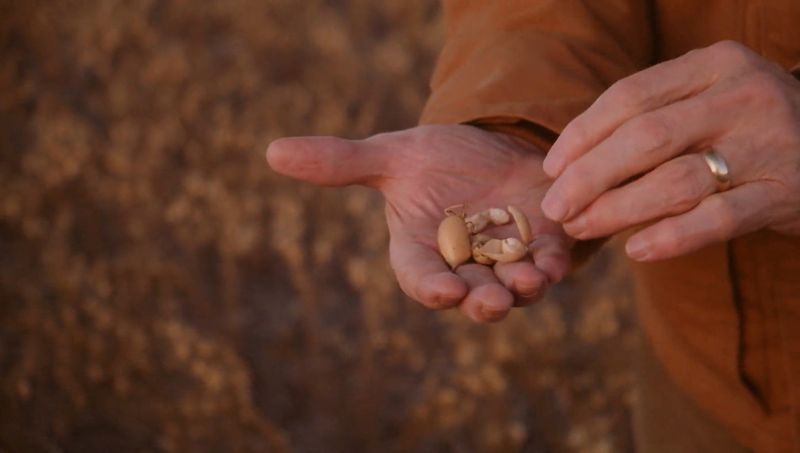
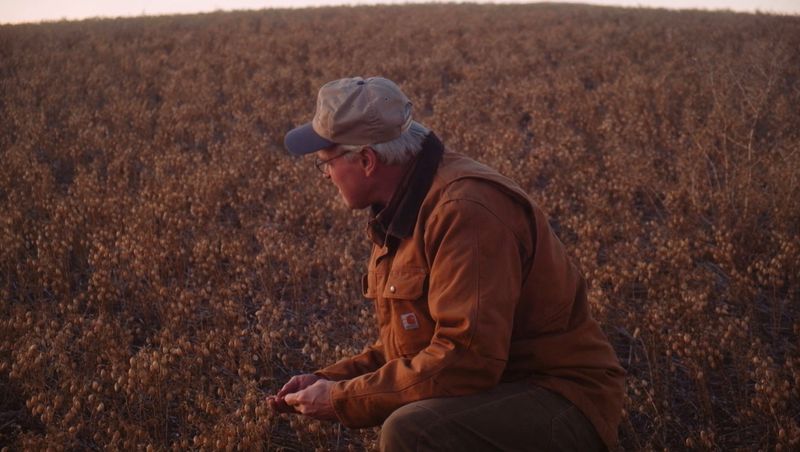
CHICAGO, April 23 (Reuters) – Aaron Smith, a fifth-generation pea and lentil farmer in northern Idaho, says the dizzying rise of GLP-1 medications and a social media-fueled protein craze may be his farm’s only path to profit this year.

The farm economy has been pummeled by low crop prices caused by a grain oversupply, tit-for-tat tariffs triggered by U.S. President Donald Trump’s trade war and skyrocketing prices of fertilizer and diesel. But pulses – which include peas, lentils and chickpeas – have been a bright spot due to rising demand for protein-infused foods beyond traditional sources like meat, poultry and fish.
Growers of the protein-rich crops see planting them as a way to weather an agricultural economy that has been in a yearslong downward spiral. U.S. farmers are facing the fourth straight year of low-to-negative profit margins despite near-record government payouts, and farm bankruptcies increased by 46% from 2024 to 2025, court records show.
“We’ve been waiting for this moment to happen,” Smith said, noting that he is swapping wheat acres for pulses this year with prices of the former so low. “This can be a gamechanger.”
These foods are at the center of an innovation boom that has taken off since the pandemic, led in part by social media influencers, some of whom are making dubious claims that raise concerns that this is another fad-driven diet due to expire.
Still, planted acres of yellow peas have risen 55% over the past 15 years, according to U.S. Department of Agriculture data. At the same time, U.S. yellow pea exports dropped 81% between 2021 and 2025, according to U.S. Customs data, showing that the additional crops are being consumed in the U.S., experts said.
P&L: PEAS AND LENTILS
A version of Cinnamon Toast Crunch cereal made by General Mills in partnership with Ghost, a sports nutrition brand, features 17 grams of protein per serving, compared to 2 grams in the original version. Protein isolates extracted from peas are being infused into fruit-flavored sodas, while lentil flour is increasingly being processed into pastas.
McKade Mahlen, a fourth-generation farmer in Montana’s rolling prairieland, said peas and lentils may be his only two crops that generate a profit this year. He estimated he’ll lose roughly $35 for every acre of wheat planted, but will make $8 for every acre of lentils.
“Finally, we’ve found something that has a positive margin for us,” Mahlen said, without providing additional details on his plantings.
Many farmers already rotate grain plantings with pulses to prevent disease and imbue the soil with nitrogen crucial for healthy crop growth. The seeds are relatively cheap, and the nitrogen means they require little additional fertilizer to grow, a quality that has made them more attractive as the U.S.-Iran war chokes off the flow of fertilizer.
“Pulses have the most hope for coming out of this in better shape because input costs are so low,” said Tim McGreevy, a farmer and CEO of USA Pulses, an Idaho-based trade organization.
PROTEIN CRAZE
Nutrition experts said the protein boom is out of step with actual dietary needs.
The average American already eats one gram of protein per kilogram of bodyweight, according to Johns Hopkins University, more than the 0.8 grams per kilogram recommended by many experts. The U.S. Department of Health and Human Services in January controversially raised its recommended daily protein intake for adults from 0.8 grams to 1.2 to 1.6 grams per kilogram of body weight.
“There is no epidemic of protein underconsumption. You don’t need protein water, protein waffles, protein chocolate,” said Stuart Phillips, nutrition and exercise researcher at McMaster University in Hamilton, Ontario.
TikTok influencers are pushing “protein maxxing,” encouraging followers to consume enormous amounts of protein with every meal, often with dubious claims that it will cure chronic illnesses, help with weight loss and improve skin. Other influencers touting high-protein diets include moms sharing recipes for protein banana bread that they say will help rebuild muscle after giving birth.
GLP-1 users, a fast-growing group that made up around 12% of the U.S. population in 2025, often seek protein-dense food to avoid muscle loss, a common side effect.
“Marketers of protein are exploiting this,” said Marion Nestle, professor of nutrition, food studies and public health at New York University. “It’s nutritionally hilarious.”
‘JUST EAT FOOD’
Major agricultural companies have invested in pulses since about 2020. Grain giant Archer-Daniels-Midland touts its line of pea protein products that can be used in everything from cupcakes to protein bars. Privately held Cargill in 2018 partnered with Minneapolis-based Puris, a niche company that turns peas into protein isolates used in snacks and drinks.
Puris CEO Tyler Lorenzen said demand for pea protein, mostly sourced from farmers in the U.S., soared during the pandemic as Americans became more health-conscious.
“It’s the same foods people already love to eat, but they’re more rich in protein,” Lorenzen said. “Protein is more in the mainstream zeitgeist today than it has ever been.”
Nestle, however, said people shouldn’t be fooled into thinking soda is now a health food.
“It’s about selling products. The sodas, waters, everything,” she said. “Just eat food. If you want pea protein, eat peas. If you want lentil protein, eat lentils. If you want whey protein, eat cheeses or yogurts or whatever.”
(Reporting by Heather Schlitz. Editing by Emily Schmall and David Gaffen)