Over nearly 40 years as a photojournalist, I’ve photographed many emergencies and natural disasters — fires, floods, tornadoes, accidents, crime scenes and more.
But nothing compares to the total devastation I witnessed 20 years ago in Biloxi, Mississippi.

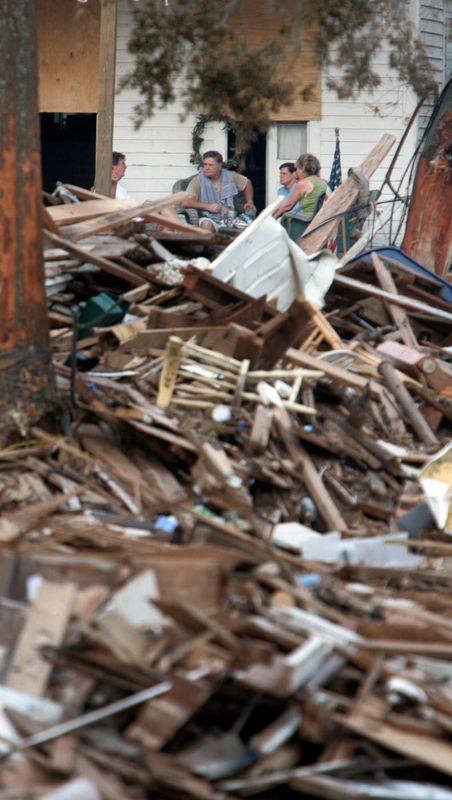
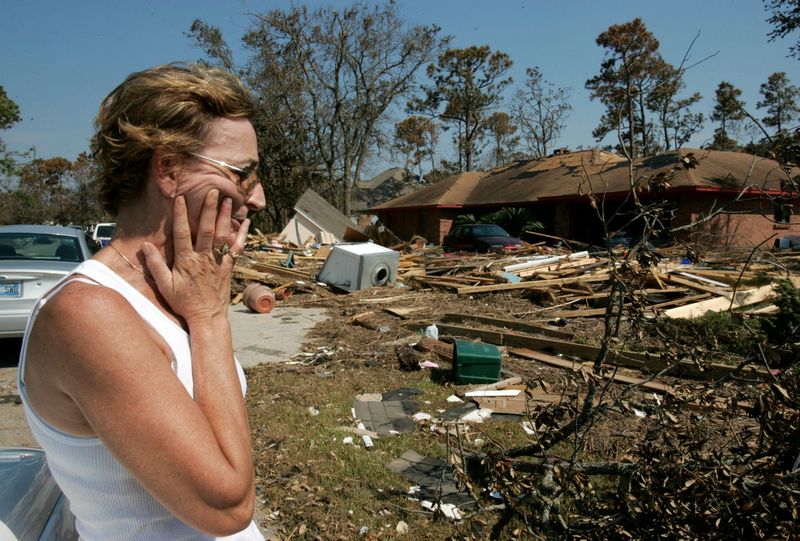
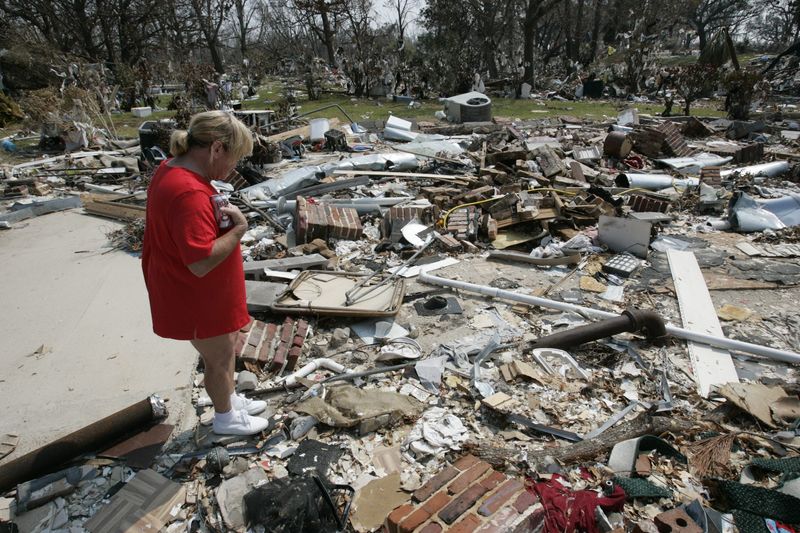
The path of destruction from Hurricane Katrina was like nothing I have ever seen. It looked like the world’s biggest bulldozer had just cleared whatever was there.
It’s the most destruction I’ve ever seen in one place at one time.
I was one of several journalists in what was then the Knight-Ridder newspaper chain who volunteered to travel to Mississippi in the days immediately following the hurricane’s landfall to help cover the disaster and recovery efforts. Former Akron Beacon Journal reporter, Kymberli Hagelberg, joined me as a “loaner” to help the staff at our then-sister paper in Biloxi, the Sun Herald.
As the 20th anniversary of Hurricane Katrina approached, I looked back at some of the hundreds of photos I took during my 20 days in Mississippi in 2005.
The memories of the people I met and the unimaginable losses they faced came flooding back.
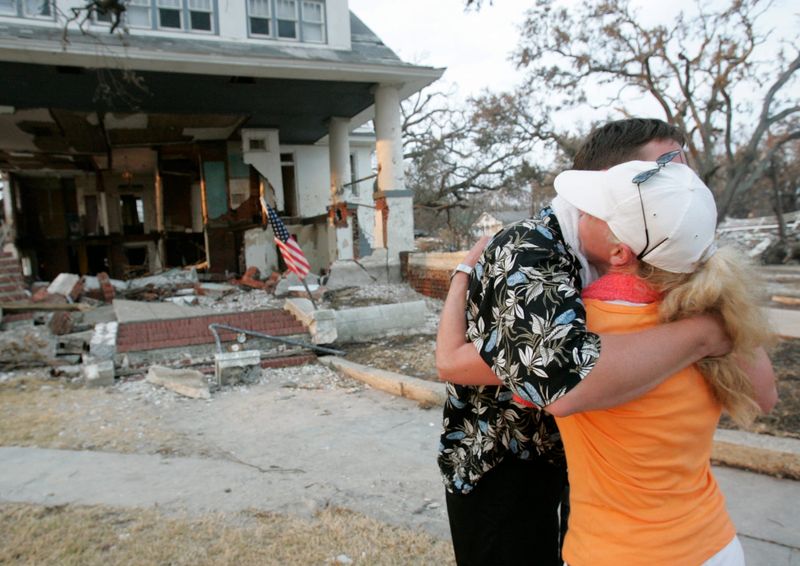
There was a man named Matthew who described how he rode out the storm in his home. He rushed to safety on the third floor as a surge swept the first and second floors away.
The 130-year-old house had withstood previous tropical storms and hurricanes, but it was no match for Hurricane Katrina.
He was lucky to be alive.
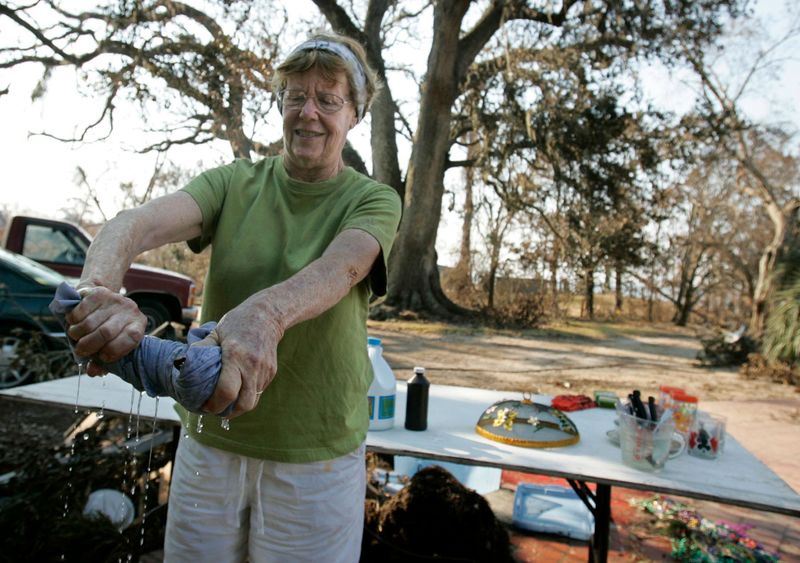
On my second day canvassing the region, I met Maureen, who also rode out the storm in Ocean Springs, Mississippi. She was washing her clothes in her front yard, wringing them out on that incredibly hot and humid day. Behind her, the front section of her home was washed away.
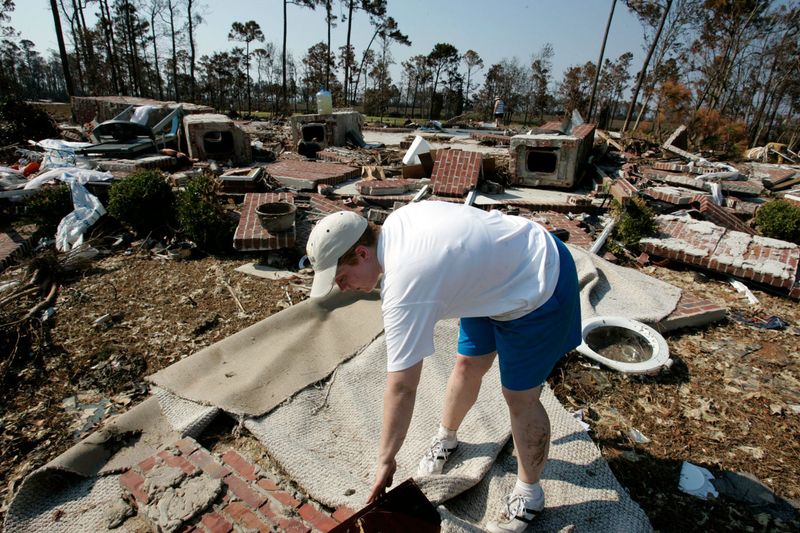
Another woman, DeAnna, was searching the rubble where her home once stood for anything salvageable. She and her children had evacuated before the hurricane made landfall.
I don’t know how you go home, see what’s left of your home and realize if you had stayed you probably would be dead.
I also met Sheila, who was in Las Vegas with her family when Katrina made landfall. I was there when she was seeing what was left of her house for the first time.
I can’t even imagine what goes through her head in that moment.
At times while taking in the loss and destruction through my camera’s viewfinder, I went on autopilot. I simply could not comprehend what I was seeing.
Looking at the piles of rubble, it was hard to imagine these had been thriving neighborhoods or quaint, touristy areas just days earlier.
At one point, a fellow photographer was able to get aerial photos showing the widespread damage across the region. It literally looked like God took his hand over 90 miles of coastline and wiped it away.
You just can’t comprehend that kind of damage.
It was surreal.
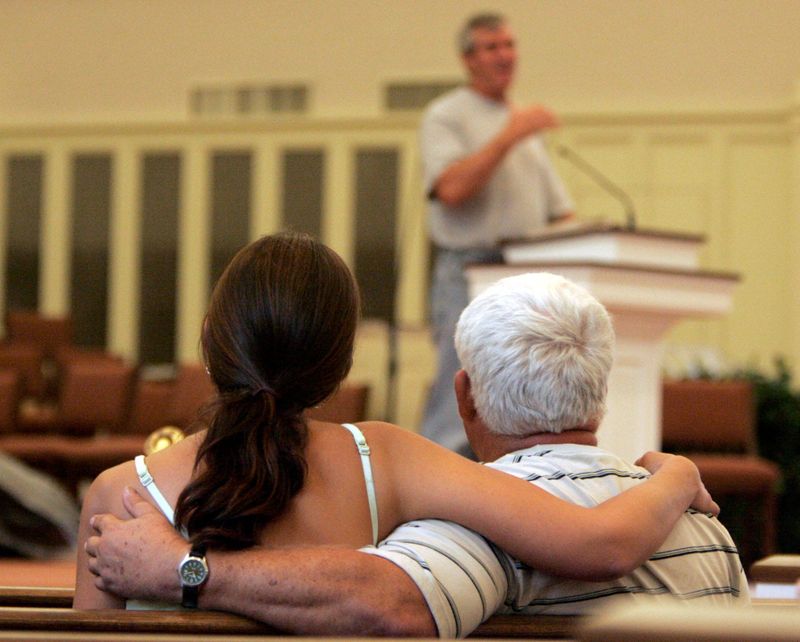
But amid all the loss and destruction, there also was hope, faith and genuine human kindness.
Neighbors banded together to help neighbors, sharing bottles of donated water and whatever they could scavenge.
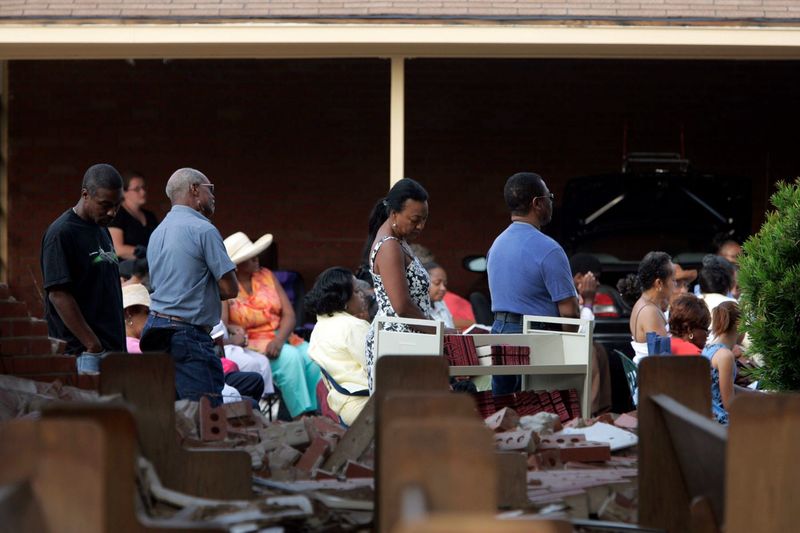
Residents gathered for weekly worship services — in one case, praying in an outdoor courtyard next to a church wall that had been blown away.
Volunteers took turns guarding what was left of their neighbors’ homes and possessions from would-be looters.
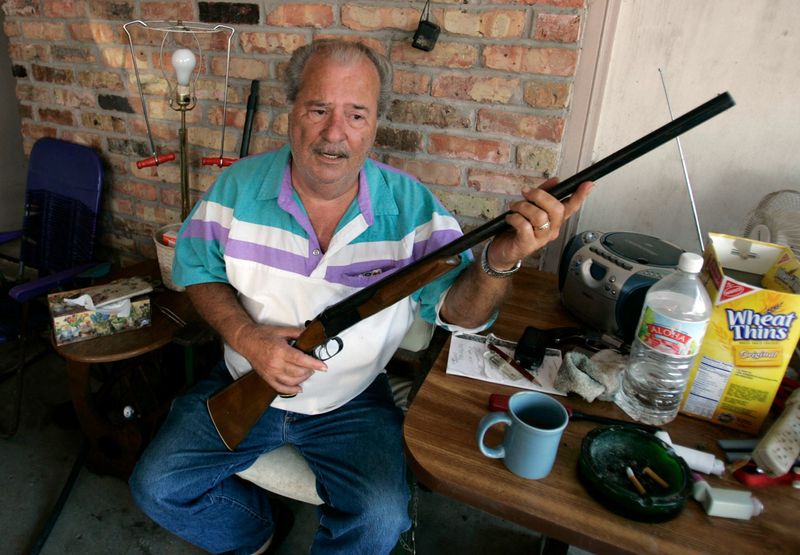
A sign painted on plywood in front of one damaged home carried a warning: “Looters will be shot.” At another house, a man named Joe showed off the shotgun he had at the ready to scare looters away.
In what were likely some of their darkest days, these strangers welcomed me, let me take their photos and even offered me a bottle of water — a precious commodity in the days following Katrina’s landfall.
In some ways, I think being able to tell their stories was cathartic for them.
It was an honor to meet the people of Biloxi, listen to their stories, see what they lost and put a face to this insurmountable disaster.
Beacon Journal Executive Editor Cheryl Powell assisted in the writing of this column.
This article originally appeared on Akron Beacon Journal: ‘It was surreal’: A photojournalist looks back at Hurricane Katrina 20 years later
Reporting by Mike Cardew, Akron Beacon Journal / Akron Beacon Journal
USA TODAY Network via Reuters Connect