Three cases of tularemia, a rare bacterial infection also known as “rabbit fever,” have been reported in Suffolk County since April, according to local health officials.
The Suffolk County Department of Health said three people had been diagnosed with tularemia as of Aug. 3.

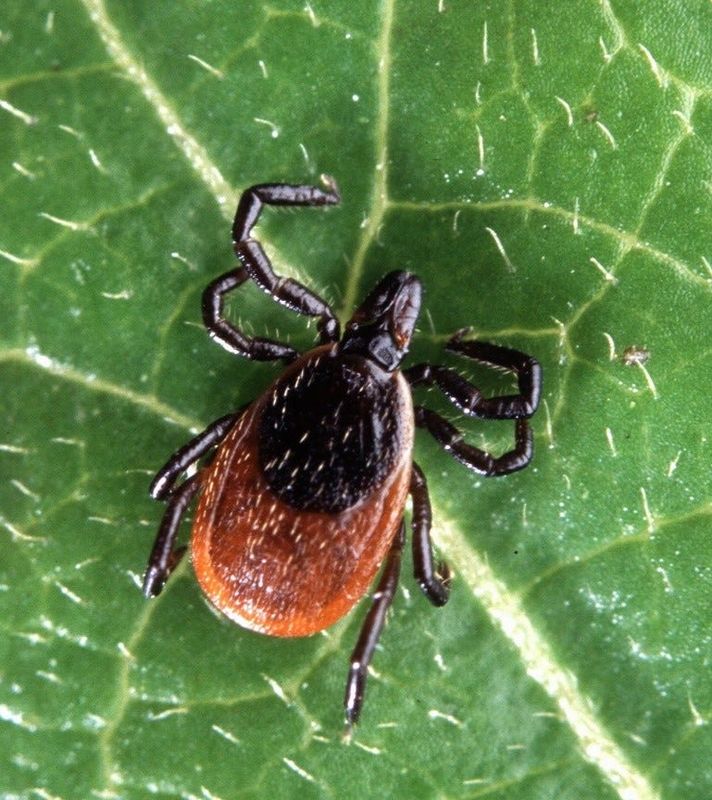
The disease can be spread through tick bites and contact with infected animals, including rabbits and rodents.
What is tularemia?
Tularemia is a bacterial disease caused by Francisella tularensis. The disease is relatively rare but can cause serious illness if left untreated.
According to the Centers for Disease Control and Prevention, people can contract tularemia through tick bites, contact with infected animals, contaminated water or inhalation of contaminated dust or aerosols.
The disease has been reported in every U.S. state except Hawaii.
What are the symptoms of tularemia?
Symptoms typically develop three to five days after exposure, according to the New York State Department of Health, although they can appear anywhere from one to 21 days after exposure.
Symptoms can include:
The type and severity of symptoms can vary depending on how a person was exposed to the bacteria.
How is tularemia spread?
The most common ways people contract tularemia include:
People can also become infected through contact with contaminated animal tissue.
New York seeing high tick activity
The Northeast has experienced elevated tick activity in 2026, according to the CDC’s Tick Bite Data Tracker.
In May, weekly emergency department visits for tick bites were above historical averages in every U.S. region except the South Central states, with the Northeast recording the highest levels.
The CDC estimates that about 476,000 people in the United States are diagnosed with and treated for Lyme disease each year.
New York also continues to see significant tick-borne disease activity. According to the SUNY Center for Vector-borne Diseases and Vector Biocontainment Laboratories, the state has averaged more than 17,500 new Lyme disease cases annually since 2023, with nearly 19,000 cases reported in 2024.
How common is tularemia in New York?
Tularemia remains uncommon in New York.
According to data cited by the National Institutes of Health, 30 cases were reported in New York between 1993 and 2023, with 43% of those cases occurring in Suffolk County.
Suffolk County reported four cases in 2024.
Nationally, 196 cases of tularemia were reported in 2023, according to the CDC.
The disease is most commonly reported between May and September.
How can you prevent tularemia?
The CDC recommends taking precautions to reduce the risk of tularemia and other tick- and animal-borne diseases.
Those precautions include:
Tularemia can be treated with antibiotics. Anyone experiencing symptoms after a tick bite or contact with an infected animal should contact a health care provider.
This article originally appeared on Rockland/Westchester Journal News: ‘Rabbit fever’ cases reported on Long Island: What New Yorkers should know
Reporting by Alexandra Rivera, New York Connect Team / Rockland/Westchester Journal News
USA TODAY Network via Reuters Connect
By Alexandra Rivera, New York Connect Team | USA TODAY Network