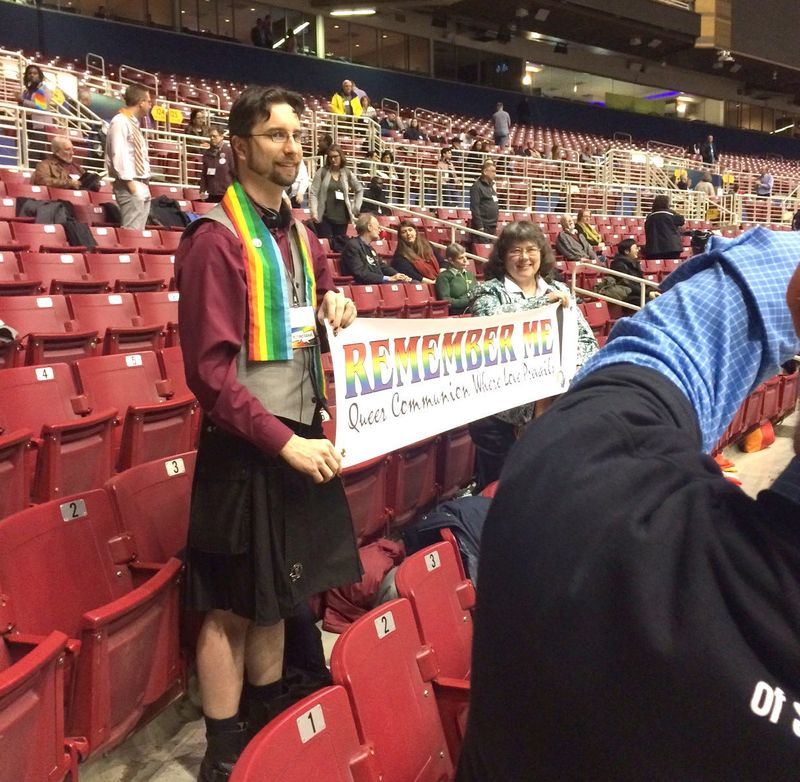
I needed to catch up with Sean McRoberts. Sean was one of several kids in an exceptional teen Sunday School class I led more than 30 years ago. Those kids were smart.
Kids. They are in their 40s now and Sean is an ordained minister, formerly with the United Methodist Church but now an independent Iowa City ministry called Sacred Collective. The ministry, a self-described “place of belonging for spiritual misfits centering college students in Iowa City,” is a block and half from the University of Iowa campus.

Pastor Sean also is trans and goes by the pronoun they — my generation is learning and adjusting about pronouns. They — Sean, that is — also identifies as non-binary, where people don’t feel they fit the definition of being solely male or female, thus “they.”
Sean came out six years ago when the United Methodist Church was on the edge of splitting over lesbian, gay, bisexual, transgender, queer and questioning, intersex and asexual rights. Sean is blessed with a wife who doesn’t shirk communicating about this and gets it, Sean said. They — Sean and wife — are a happily married, one of many things people don’t get when not taking time to understand LGBTQIA+ issues.
I had not planned us talking about being trans but our meeting landed two days after Gov. Kim Reynolds signed into law House File 856: An Act Prohibiting Public Entities From Engaging in Certain Activities Relating to Diversity, Equity, and Inclusion Creating a Private Cause of Action, and Including Effective Date Provisions.
The title is a mouthful. The law, to take effect July 1, is hard to digest for Iowans who feel unwanted in their state. How does the anti-trans bill affect you? I asked Sean.
“I have to ask, which one, because it’s been a bad year,” Sean responded. “The one that removed gender identity from the Civil Rights Act? That was the big one that cleared the way for removing coverage for gender-affirming care from Medicaid in Iowa — that one? That was followed by the federal bill currently before the Senate that would remove gender-affirming care from Medicaid and ACA (Affordable Care Act) plans for the entire country. Or, the anti-DEI bill the governor just signed?”
That last one, I said.
But really, we were talking about all of the bills passed in this year’s state legislative session and federal actions that are part of Republican promises kept to stop taxpayer support for efforts that support people living on cultural and racial margins or promote knowledge about them. Some of this is downright cruel.
“Iowa is becoming a more difficult place to be and there are signs that it is becoming less safe to be in,” Sean said over lunch in Iowa City. “Folks don’t want to raise their kids here, either, because they’re trans, or their kids are trans, or they don’t want their kids learning hate in school.”
Cigna Healthcare reports that people in LGBTQIA+ communities are at a higher risk than others of having access to health care and have more mental health issues such as suicidal thoughts, mood and eating disorders and substance abuse addictions. They are less likely than others to report poor health care practices. Lesbian and bisexual women have higher rates of breast cancer than others have.
The nation’s crime rate dropped in 2023, but not if you are lesbian, gay, bisexual, trans, queer or questioning. Hate crimes against them were spiking in 2023, the FBI reported. Meanwhile, the Trump administration has clipped $1 billion in contracts with for health-related research of HIV, AIDS, COVID and clinical trials with LGBTQIA+, racial or ethnic populations in the trials.
As government abdicates its willingness to help these people, health communities are stepping into the gap. This weekend, the United Methodist Church Iowa Annual Conference is meeting at the RecPlex in West Des Moines and is to take up two resolutions supporting LGBTQIA+ people and one resolution supporting immigrants. Beyond those statements, though, the Iowa Conference announced in late May the appointment of its first multicultural and anti-racism ministries director, the Rev. Betty Kiboko.
Pastor Sean has made a lot of waves since those long-passed Sunday School days. Ordained as a United Methodist pastor, Sean took a leave of absence in 2019 in protest of the General Conference’s former policies and discrimination against LGBTQIA+ people and withdrew from the denomination in 2022, disenchanted with several church actions that included its unwillingness to allow same-sex pastors and marriages in its churches.
Church policy changed in 2024 when the United Methodist General Conference, responsible for the church worldwide, dropped the ban but local churches still have the power to decide if they want an LGBTQIA+ pastor or allow same-sex or non-binary weddings. Compromises remain.
It is a shame that people like Pastor Sean felt so pushed away that they no longer are part of the United Methodist discussions. But at least they are increasing the volume with other faith communities of their resistance in a state that says they do not matter as much as those in power. Expect more, louder, visible actions from these communities in the coming months.
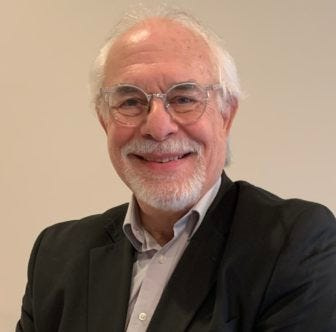
Lyle Muller is a retired, long-time Iowa journalist who is researching United Methodist history in Iowa and North Liberty. He is a delegate to the denomination’s Iowa Annual Conference.
This article originally appeared on Des Moines Register: LGBTQIA+ Iowans, including Pastor Sean, have a lot to digest | Opinion
Reporting by Lyle Muller / Des Moines Register
USA TODAY Network via Reuters Connect