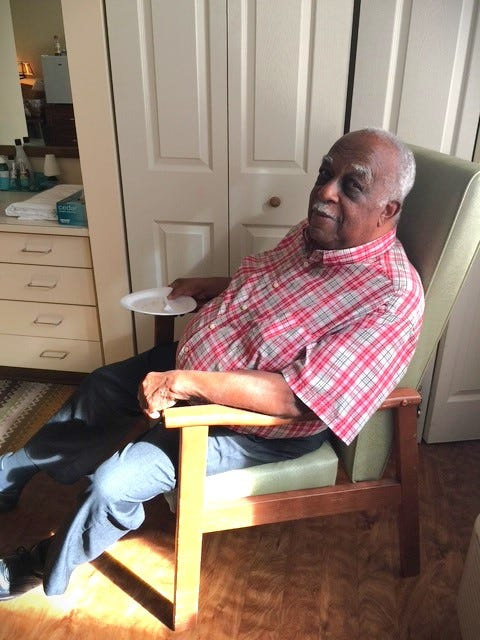
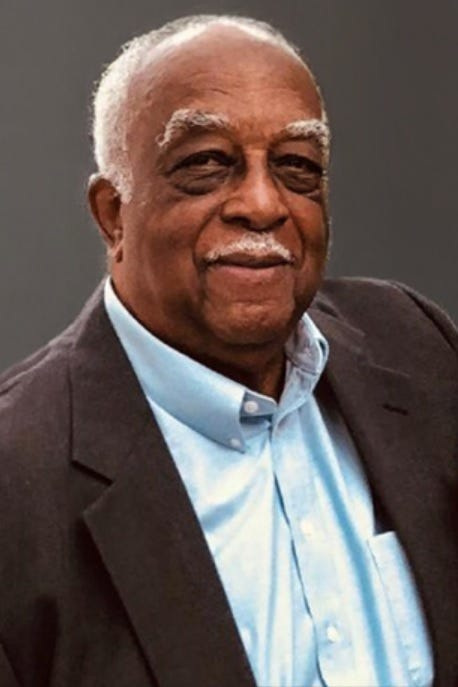
James “Bert” O’Bannon frequently drove through Bloomington to keep up with the changes his hometown was undergoing. He’d also often stop by the houses of friends and family for a chat.

Sometimes, he’d just drive by and honk.
Friends and relatives would hear the familiar beep from the street and know O’Bannon was making one of his rounds in the city he called home for nearly all of his 91 years.
If no one was home when he came by for a visit, he might leave a sign he’d been there: Friends and relatives knew, a turned over porch chair was O’Bannon’s way of saying hello.
“He loved Bloomington,” said Elizabeth Mitchell, a longtime friend and former coworker. “This was his place.”
For years, O’Bannon got a kick out of just driving through town.
“He wanted to see Bloomington, the changes,” Mitchell said. “One day he may go south, another day he’d come out here.”
Those drives became something of a ritual for family and friends. Tina Kyles, who considered O’Bannon a father figure, said one of his favorite pastimes was checking on construction projects, restaurants and neighborhood changes.
“He loved to ride through town and keep up with different landmarks and what was happening in Bloomington,” Kyles said.
That affection for his city helps explain O’Bannon’s final act.
When he died in November 2025, O’Bannon left a $2 million estate gift to the Community Foundation of Bloomington and Monroe County, the largest legacy gift in the organization’s history. The money will support community causes including housing programs, the Boys & Girls Club, Second Baptist Church and the Salvation Army.
A fixture at the post office
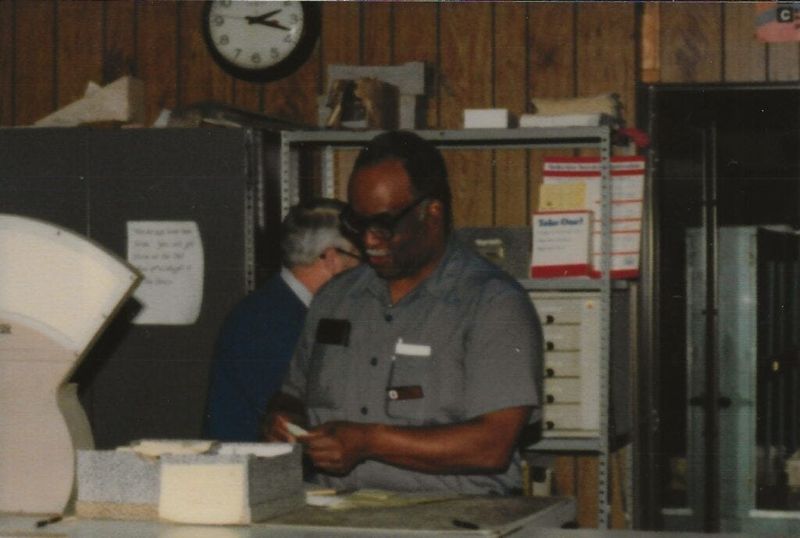
O’Bannon, a U.S. Army veteran, worked for the U.S. Postal Service for more than three decades. He was only the second Black employee hired at the Bloomington post office, according to friends and former coworkers.
When Mitchell arrived in 1979 as the first Black woman hired there, O’Bannon had already become a respected presence, in part because of his imposing physique. He had played football at Arkansas Agricultural, Mechanical & Normal College. Mitchell called him “tank.”
The workplace could be hostile, she said. O’Bannon became much more than a coworker.
“He was my mentor and my savior,” she said.
Mitchell said coworkers knew better than to mistreat her when O’Bannon was around.
“They didn’t even look at me crossways when he was there,” she said.
The respect he commanded lingered long after retirement.
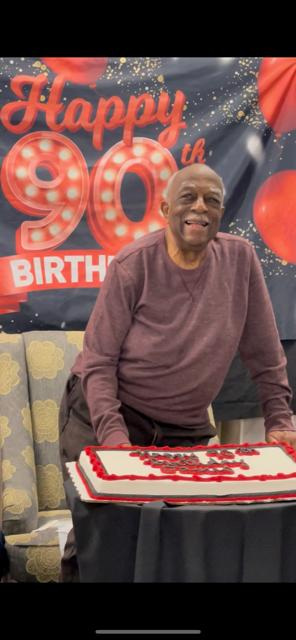
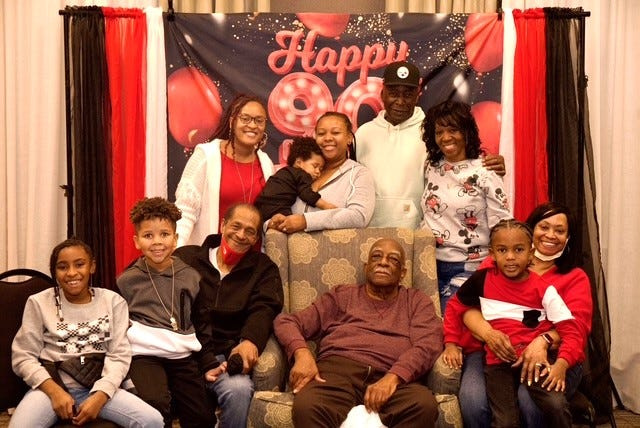
For O’Bannon’s 90th birthday in 2024, family members organized a celebration at the convention center, expecting a modest gathering. Instead, dozens of former coworkers showed up.
Kyles estimates roughly 60 people attended, including many retired postal workers.
“I think he was overwhelmed,” she said.
In a video of the celebration, O’Bannon said, “I enjoyed this very much. I’m not aware of so many friends. I have friends all over the place.”
The turnout reflected O’Bannon’s local stature. For decades, he had been one of those familiar Bloomington figures people simply expected to see, in part because he worked at the post office counter.
“You could go anywhere in town, and he’d know somebody,” Kyles said.
Frugal in life, generous in death
O’Bannon’s generosity in death contrasted with his frugality in life.
He spent carefully and invested steadily.
“He didn’t drive the latest vehicles or have the fancy new phones or a big fancy house,” said Christina Williams, his second cousin.
Kyles remembered him researching vehicles through Kelley Blue Book and keeping cars for years. Mitchell recalled riding in one vehicle and joking that she had to be careful where she put her feet, because the floor was so worn she could see the pavement.
If he bought a car, Mitchell said, his advice was simple: pay cash.
At home, he often watched TV programs about finances.
“He watched CNBC religiously,” Kyles said.
Williams said O’Bannon taught himself about investing and regularly discussed markets, retirement accounts and financial planning with relatives.
Despite accumulating considerable wealth, he remained stubbornly frugal.
Friends invited him on trips. One destination especially interested him: Alaska.
“He wanted to go,” Mitchell recalled.
But in the end, he couldn’t bring himself to spend the money, she said.
Instead, he would drive through town, indulging only at local restaurants: He was a regular at The Cozy Table. He enjoyed fried catfish at Millie McGee’s in Gosport. He would splurge on a Louisiana sirloin dinner at O’Charley’s.
And, Kyles said, he rarely turned down a McDonald’s ice cream cone and a Diet Coke.
A life rooted on Seventh Street
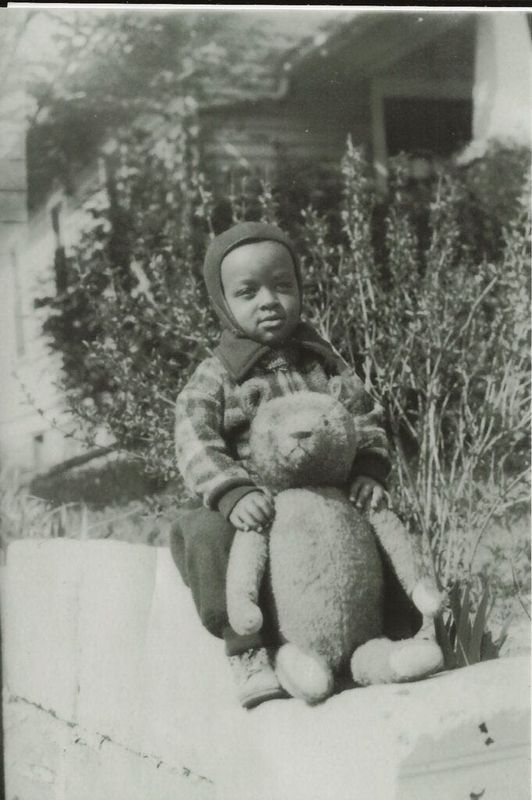
Born in 1934, O’Bannon spent nearly his entire life in the house built by his father on Seventh Street, on Bloomington’s near west side.
His family roots in south-central Indiana stretched back generations.
Friends said he could recount Bloomington history in remarkable detail, especially stories about the Black community that existed long before many current residents arrived.
Mitchell, who has helped document Black history in Bloomington, said O’Bannon understood the importance of preserving those stories.
“He loved Bloomington,” she said. “He really did.”
As he grew older, he watched many of the people and places from his youth disappear. He and one longtime friend eventually found themselves attending the reunions of another class because everyone else from their own graduating class had died.
Still, O’Bannon remained connected to the city’s daily life.
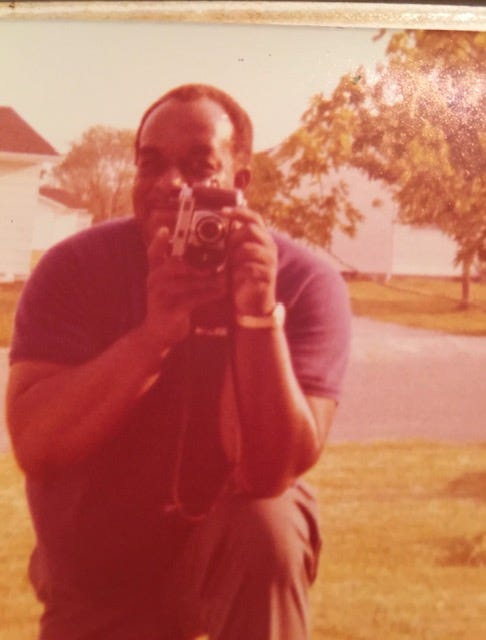
He ardently followed IU basketball and football, enjoying the team’s success in his final year. He photographed things. He sat on his porch and talked to friends and neighbors.
And he drove.
People who knew O’Bannon often describe him as quiet, but they also remember his dry sense of humor.
When family members asked what he had studied in college, he always had the same answer.
“Women.”
O’Bannon never married, but Kyles said he dated her mother, Rose Duerson, for decades and remained part of the family until his death.
After Duerson died in 2020, O’Bannon continued joining family gatherings and watching IU games with Kyles and her husband.
“He was just like a father to me,” she said.
That sentiment surfaced repeatedly among the people who knew him.
Mentor.
Advisor.
Grandpa Bert.
Father figure.
For decades, O’Bannon simply lived his life: working at the post office, watching IU sports, sharing financial advice, checking on friends and driving through the streets of Bloomington to see what had changed.
And after a lifetime spent quietly investing in people and place, he left behind one final investment in the community he loved.
“He didn’t have to do it,” Mitchell said. “But he loved Bloomington, and he showed it by the gift that he made.”
Boris Ladwig can be reached at bladwig@heraldt.com.
This article originally appeared on The Herald-Times: A postal worker’s $2M gift reveals a life rooted in Bloomington
Reporting by Boris Ladwig, The Herald-Times / The Herald-Times
USA TODAY Network via Reuters Connect
By Boris Ladwig, The Herald-Times | USA TODAY Network