General Motors made two major moves involving its domestic battery production the week of Aug. 10 ― backing out of one joint venture and restarting production at another.
Both business decisions aim to address the smaller-than-anticipated electric vehicle market and allow GM to rightsize its existing battery cell inventory.

Battery manufacturer Samsung SDI purchased GM’s roughly 50% stake in the joint venture the companies first announced in 2023 to make EV battery cells.
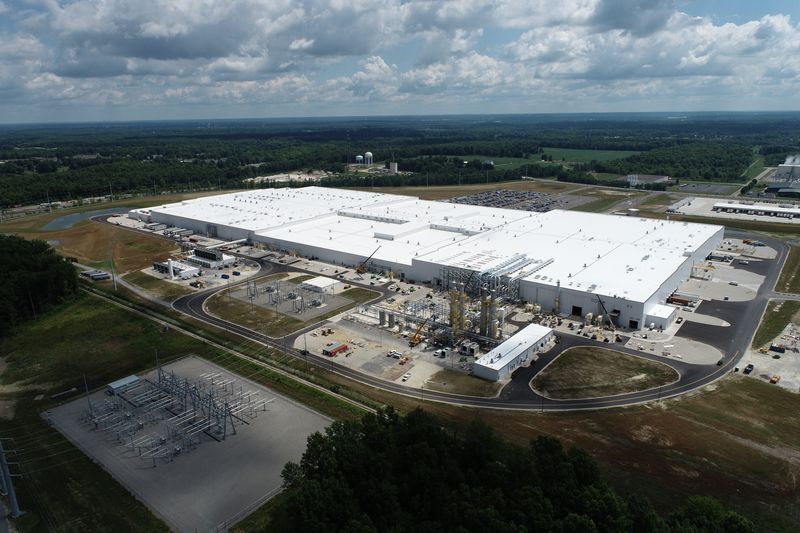
Both companies previously said the plant, which remains under construction in New Carlisle, Indiana, required a combined investment of $3.5 billion. The plant is slated to open in 2027.
The venture, which GM CEO Mary Barra said would scale the company’s EV capacity, had a planned focus of producing nickel-rich prismatic and cylindrical batteries exclusively supplied for GM’s electric vehicles.
While GM is no longer a partner in the plant, it has established a development agreement with Samsung SDI to pursue the next generation of prismatic battery cells “for potential future GM EVs,” according to a company statement.
Sam Abuelsamid, vice president of market research at Telemetry, told the Detroit Free Press that backing out of the deal likely had several benefits ― freeing up cash for other investments, finding customers for the batteries it produced and absolving the automaker of responsibility for maintaining the facility.
“They no longer have to spend to make updates to the factory and invest in the products to be built there and they can turn their attention to near-term money-making opportunities like selling weapons to (the Department of Defense),” Abuelsamid said.
Getting back to work in Ohio
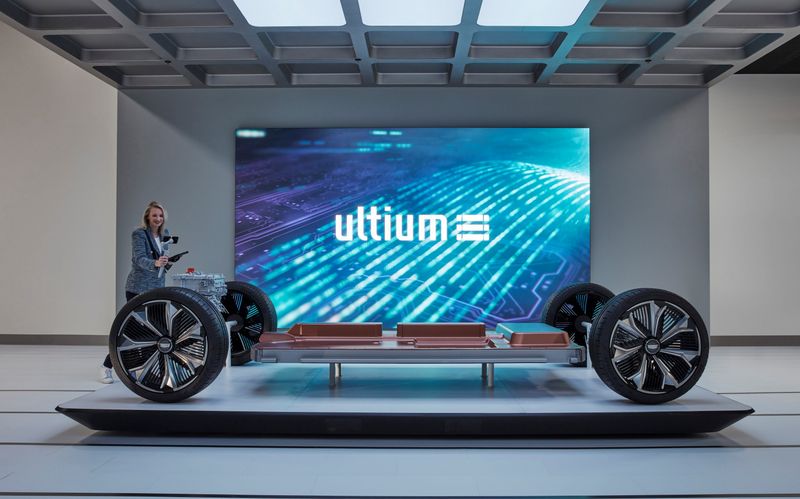
After a seven month shutdown, workers at the Ohio Ultium Cells joint venture plant between GM and South Korean partner LG Energy Solution are resuming work.
The plant, based in Warren, Ohio, employs 1,400 workers who had been laid off since January due to the decline in electric vehicle demand.
Tom Gallagher, vice president of operations for Ultium, confirmed production would resume in an interview with Reuters on Aug. 12.
Another element under consideration is the pivot to battery production for energy storage systems instead of electric vehicle batteries, a transition that provides growing revenue potential for existing plants amid a smaller-than-expected EV market.
For example, the other GM and LG joint venture facility in Tennessee already pivoted to energy storage system batteries instead of EV batteries.
Meanwhile, the now independent Samsung SDI plant has already been redesignated for energy storage. The company said in a statement that once completed, the facility will “start off by utilizing the plant for production of batteries for energy storage systems (ESS) in in a swift move responding to the rapidly growing ESS market in the U.S. In the future, the plant could potentially include prismatic cells jointly developed with GM.”
Still, while energy storage is likely to be a profitable venture in the coming years, it may also be a bit bumpy, Abuelsamid warned.
“A lot of the premise behind repurposing the battery plants for ESS is to support data centers. However, the outlook for the data centers is also becoming more challenging as states and communities are pushing back hard,” he said.
Jackie Charniga covers General Motors for the Free Press. Reach her at jcharniga@freepress.com.
This article originally appeared on Detroit Free Press: Why General Motors exited one battery venture and kickstarted another
Reporting by Jackie Charniga, Detroit Free Press / Detroit Free Press
USA TODAY Network via Reuters Connect
By Jackie Charniga, Detroit Free Press | USA TODAY Network