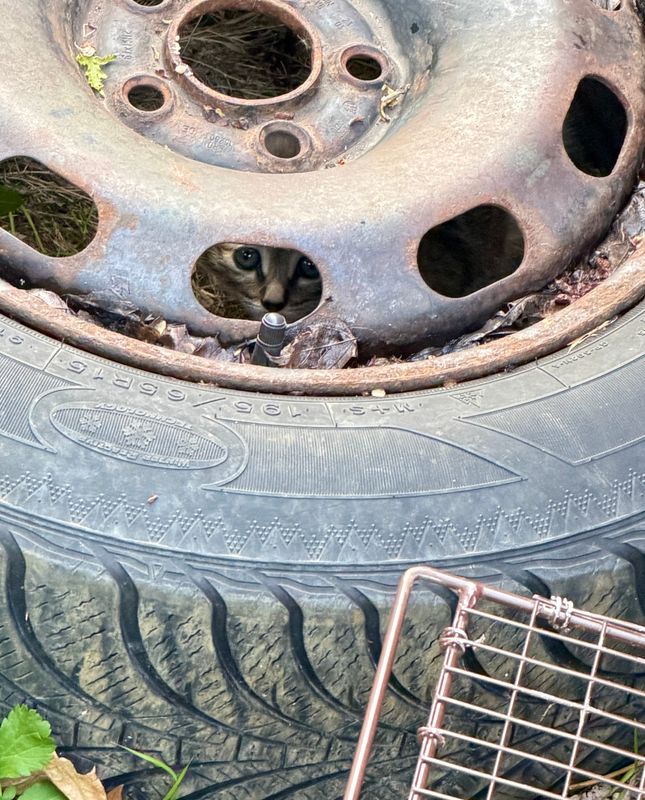
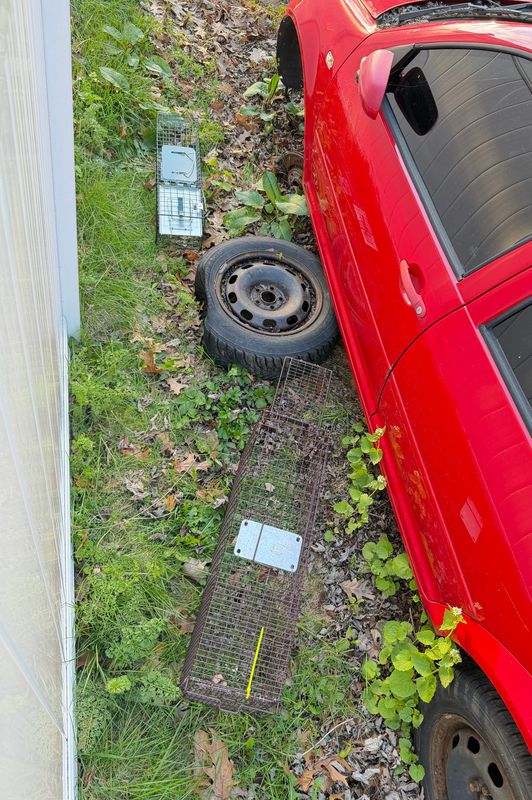
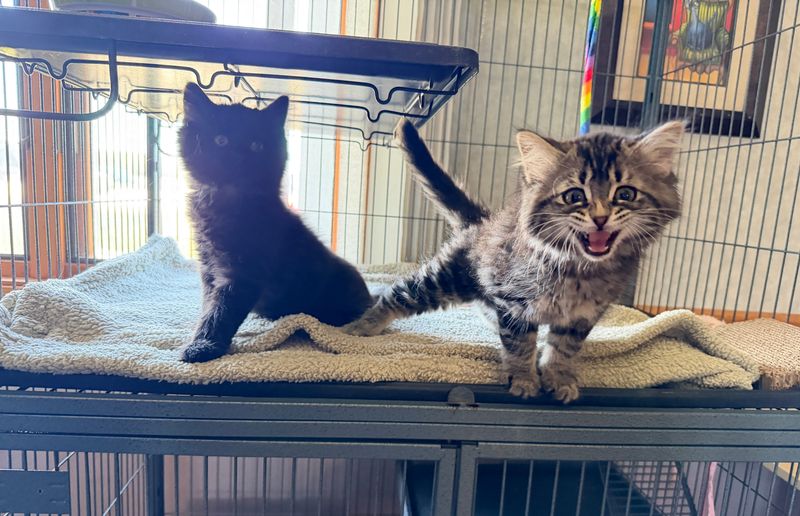
For days, volunteers in St. Clair attempted to safely capture a stray mother cat and her kitten hidden beneath an old tire in a neighborhood.
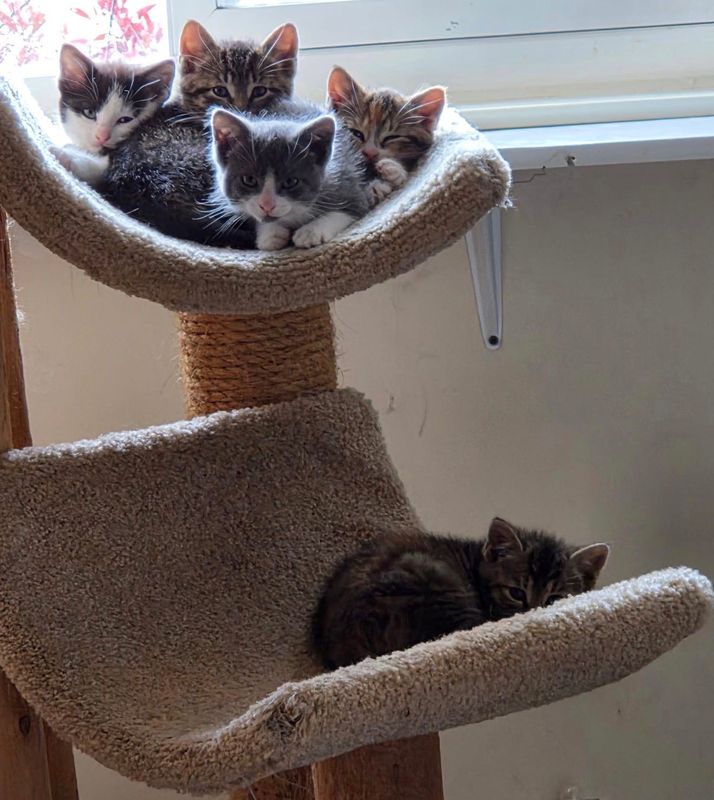
Four littermates had already been rescued by volunteers with Safe Haven Cat Rescue after a resident discovered a stray mother cat moving her kittens around the neighborhood. But one kitten remained missing.

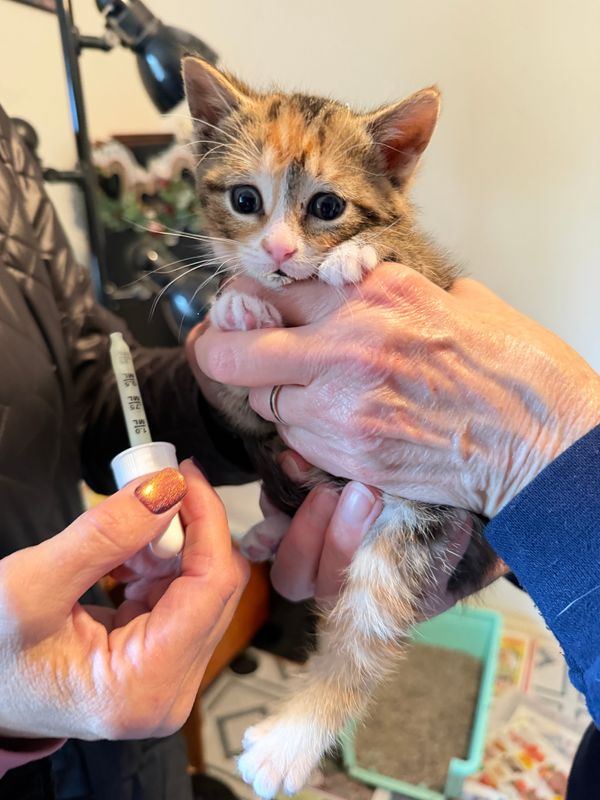
The tiny underweight kitten, later nicknamed “tire kitty” and eventually named Libby, was finally captured May 6 after volunteers spent nearly a week trying to rescue both the kitten and the stray mother cat.
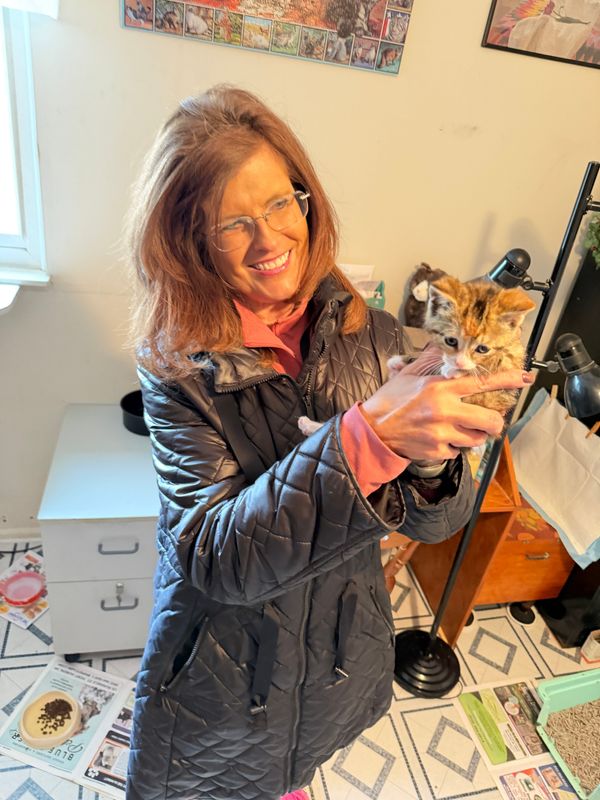
After Libby’s rescue, Safe Haven Cat Rescue founder Tami Fite told the Times Herald the kitten was “scared and hiding, but she should come around tomorrow for food hopefully because she’s very lightweight.”
“I just don’t know how she could’ve survived outside any longer,” Fite said. “She’s definitely underweight and tonight’s a frost advisory warning.”
As of May 14, the mother cat still had not been captured.
“Sadly, she is likely already pregnant again,” Fite said.
From family rescue effort to nonprofit
For local rescues, shelters and spay-neuter organizations, stories like Libby’s are not unusual during kitten season. They say the situation illustrates a growing issue across St. Clair County and beyond: pet overpopulation fueled largely by unfixed cats.
According to the American Society for the Prevention of Cruelty to Animals (ASPCA), about 2.2 million cats were adopted from U.S. shelters in 2024, while roughly 273,000 cats were euthanized nationwide. HumanePro, a program of Humane World for Animals, notes cats can become pregnant as early as 4 months old and may have up to three litters per year.
Local organizations say those national trends are reflected throughout St. Clair County during spring and summer kitten season.
Fite said Safe Haven Cat Rescue began as a small family effort helping abandoned and vulnerable cats before growing into a nonprofit organization earlier this year.
“What started with rescuing a few cats quickly grew into late nights bottle-feeding orphaned kittens, transporting cats to vet appointments, coordinating fosters and adoptions, and helping families who simply needed support,” Fite said.
Today, Safe Haven Cat Rescue coordinates fostering, adoptions, trap-neuter-return (TNR) programs, rescue transport, pet food assistance and basic medical support for struggling pet owners and colony caretakers.
The organization also works with local businesses to host donation drives and fundraising efforts supporting rescue operations.
Safe Haven reports it has already helped rehome more than 50 cats, assisted with more than 40 spay and neuter surgeries through TNR efforts and expects more than 90 cats to receive sterilization services through a donor-funded TNR initiative.
Fite said the need continues growing faster than many volunteer-based rescues can sustain.
Overwhelmed demand for spay and neuter services
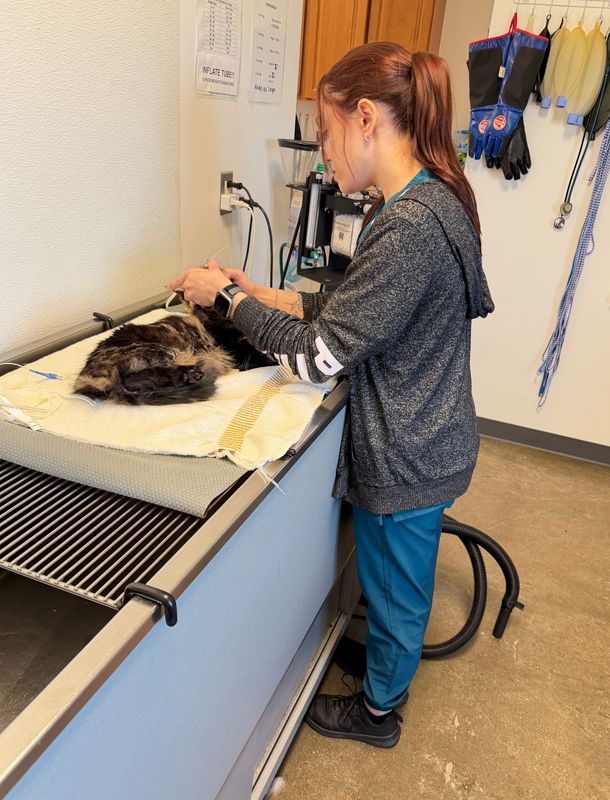
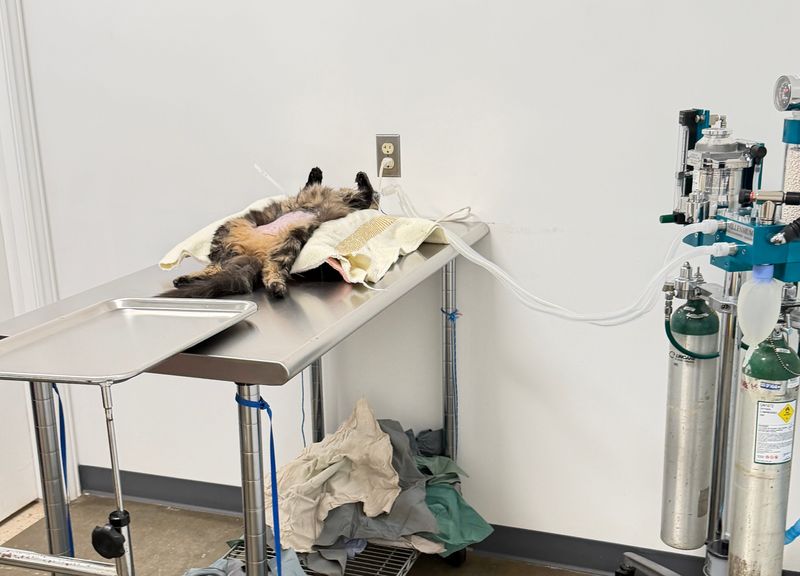
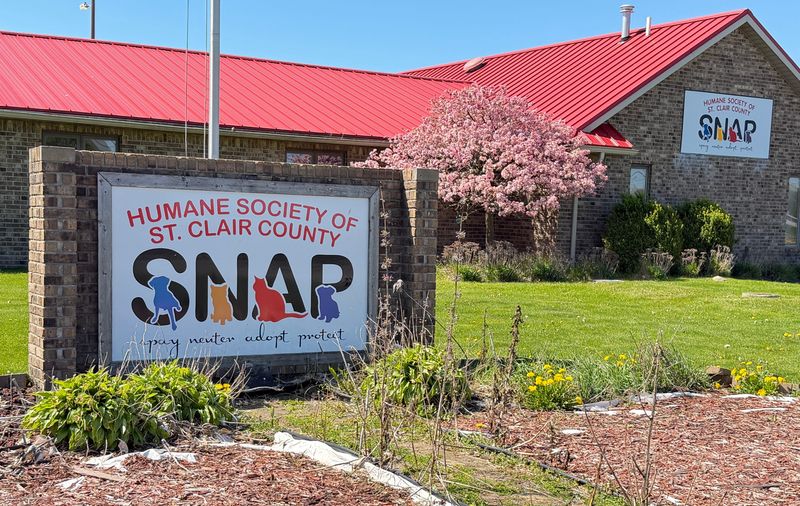
At the Humane Society of St. Clair County’s SNAP clinic in China Township, staff members see the demand firsthand every day.
“We’re doing 80 surgeries a week,” said Teresa Gabbard, veterinary technician and assistant to the executive director at SNAP.
The clinic performs approximately 20 surgeries daily with a staff of seven, including one veterinarian, and is open four days a week. Staff complete surgeries for six dogs — three females and three males — and 14 cats — seven females and seven males — each day.
Female cat appointments are often filled within a single day after schedules open roughly every seven weeks.
“We do seven female cats a day,” Gabbard said. “But the problem is there’s so many that need to be fixed.”
Gabbard said many owners wait too long to schedule appointments or miss appointments entirely before later facing emergency situations involving pregnant cats or unexpected litters.
“One more is a lot when you’re already doing 20 with a skeleton crew,” Gabbard said.
Debbie Dudek, who schedules appointments at SNAP, said no-shows and delayed appointments can create additional strain on an already busy system.
Dudek added the clinic’s phone rings constantly with requests for appointments, cancellations and emergency calls, and that people who miss appointments often call back later seeking to reschedule their animals for spay or neuter services.
Gabbard said cats reproduce far more quickly than many people realize.
“Cats are induced ovulators, which means they don’t have to be in heat,” Gabbard said. “If you have a tomcat that’s outside, he can pin down a female and breed her instantly.”
While nursing one litter, she said, cats can become pregnant again almost immediately.
TNR programs and community cats
St. Clair County Animal Control Director Melissa Miller said the county continues facing broader sheltering pressures tied to pet overpopulation.
“It’s incredibly important to get your animal fixed because we’re facing a pet overpopulation problem,” Miller said. “A lot of people fall in love with the puppy without thinking about the lifetime commitment and “to continue having additional animals in this age is contributing to the sheltering crisis.”
Miller said misconceptions persist about how shelters and TNR programs operate.
“Our live release rate is around 89%, so we definitely do not have a high rate of euthanasia in our shelter,” Miller said. “We return over 50% of the dogs at large or stray dogs that come in here, but the reality is less than 1% of cats return to owner.”
According to St. Clair County Animal Control, TNR colonies involve community caretakers providing feeding stations and small shelters for sterilized, vaccinated and ear-tipped community cats. The county describes TNR as the most effective method for reducing stray cat populations over time.
“We prefer healthy community cats stay where they are and are part of the TNR program,” Miller said.
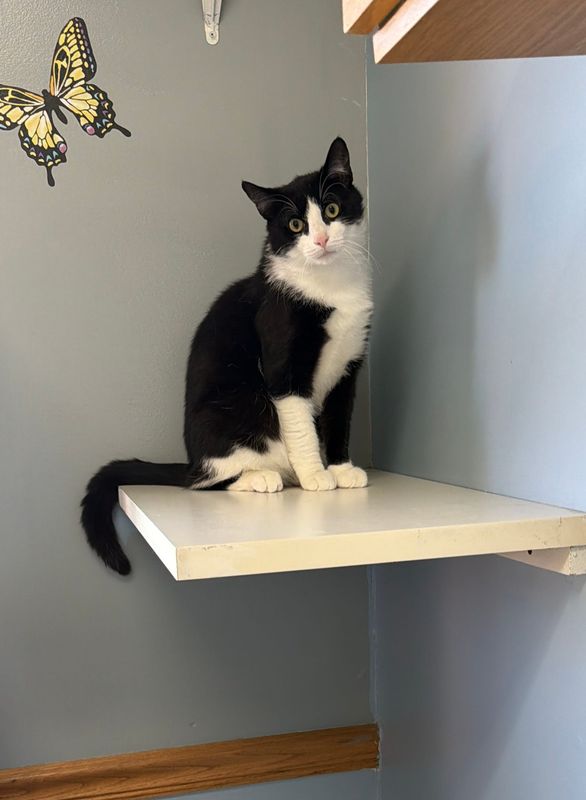
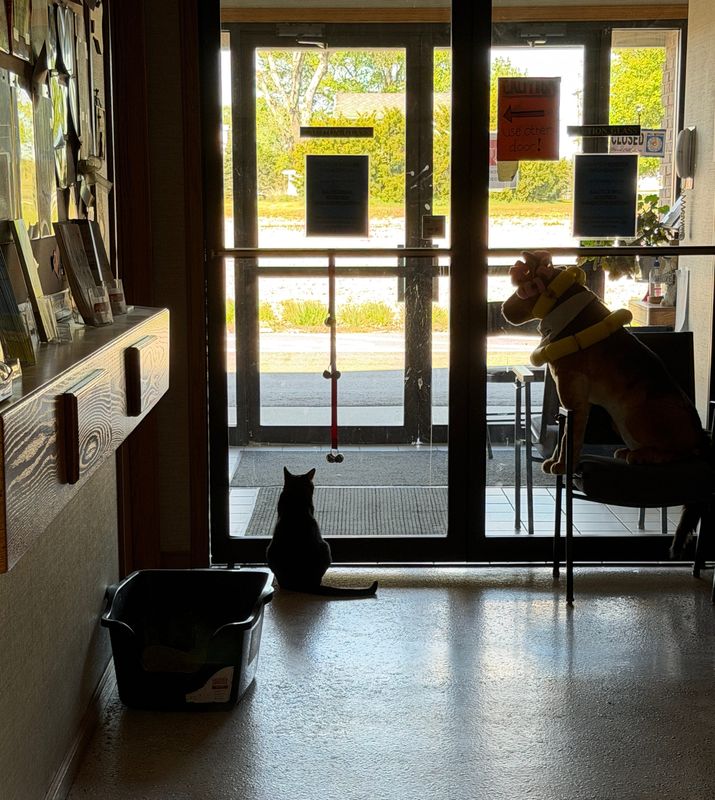
At SNAP, adoptable cats roam freely through portions of the building overnight while others remain separated for safety or behavioral reasons. The organization only adopts out cats because of limited resources.
Despite the workload and frustrations, Gabbard said the staff remains deeply committed to helping both animals and owners.
“It’s not just numbers here,” Gabbard said. “We care deeply about every single patient and it shows.”
She also offered appreciation to residents continuing to support the clinic and local rescue efforts.
“I send out a great big thank you to everybody,” Gabbard said, “for using us and keeping our doors open.”
More information:
The Humane Society of St. Clair County SNAP clinic is located at 6177 Fred W. Moore Hwy in China Township. Appointments can be made by calling (810) 329-7627.
Contact reporter Andy Jeffrey at ajeffrey@usatodayco.com.
This article originally appeared on Port Huron Times Herald: ‘Tire kitty’ rescue highlights strain on local cat rescues
Reporting by Andy Jeffrey, Port Huron Times Herald / Port Huron Times Herald
USA TODAY Network via Reuters Connect