

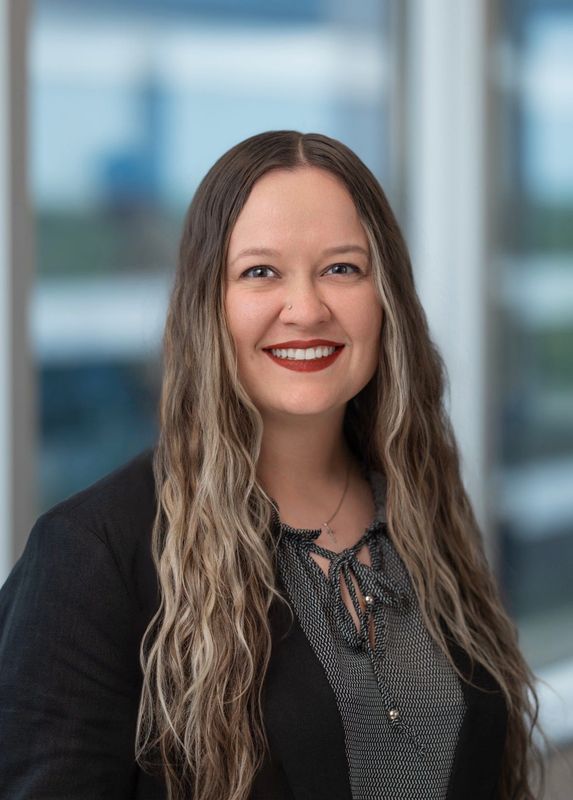
Rachel Reising is a Huntington’s Disease advocate who has received an HD gene positive diagnosis.
Home » News » Local News » Michigan » Pharmacy legislation will hurt the terminally ill, like me | Opinion
Michigan

Pharmacy legislation will hurt the terminally ill, like me | Opinion

I have Huntington’s disease, a progressive and fatal neurodegenerative disorder. There’s currently no cure. I’m no stranger to Huntington’s; when I was diagnosed positive for the Huntington’s gene, I knew exactly what the future held, because I’d watched my father battle the disease, just as he’d watched his mother die from it. And now this terrible legacy continues for a third generation in me.

A rare moment of mercy throughout my father’s battle was the access to medications he had through his pharmacy. When you have a disease without a cure, every part of your healthcare team matters — including your pharmacist. As Huntington’s gradually steals your independence, having a nearby pharmacy became increasingly important.

Video Thumbnail

Unfortunately, some Michigan policymakers have expressed interest in tougher pharmacy regulations similar to those enacted in Arkansas and Tennessee. Before heading down that road, they should consider what those policies could mean for those facing terminal illnesses. 

First, pharmacies in communities like mine will disappear. For many in the rare disease community, pharmacies aren’t just places to pick up a prescription — they are lifelines. Huntington’s patients manage multiple prescriptions throughout the disease’s various stages: medications that help manage movement disorders, depression, anxiety, sleep problems and other symptoms. Refills can’t be delayed. And as the disease’s symptoms progress, traveling long distances becomes impossible. 

The United States is currently experiencing a pharmacy access crisis. In the past decade, approximately one third of all retail pharmacies in the country have shuttered, with independent pharmacies hit hardest due to economic strain. Those closures have left millions of Americans living in “pharmacy deserts,” where people must drive long distances for necessary medications. These deserts now constitute an estimated 45 percent of all U.S. counties. 

The majority of Michigan’s counties are rural, and they are or will be disproportionately affected by deserts, but it also severely impacts elderly, disabled, and rare disease patients in urban Detroit and Lansing, as well as in the Grand Rapids suburbs where I live. 

Closing retail chain pharmacies therefore has a double-effect on patients who have complex disabilities like Huntington’s Disease. First, the deserts will get worse if retail chains are forced to close even more quickly than independent chains. Second, specialty pharmacies and medications — the kind that Huntington’s patients rely on as they decline — will be less available both through closures and by being overburdened by people’s needs. 

Living with Huntington’s means there will come a day when my independence becomes limited, when I’ll exhibit the same symptoms my father did. Driving will become difficult. Then walking will be compromised. When those days arrive, not having a nearby pharmacy will be a major barrier between me and the medications that preserve my quality of life.

Lawmakers love sound bites about putting patients first. Well, here’s their chance to do it. If access to pharmacies is already a problem in this country, lawmakers should not enact policies that make it worse. They should strengthen our healthcare infrastructure, take a stand for people like me who face terminal diseases and follow through on their words.

I know better than anyone that there will be challenges that medicine can’t solve. We can’t cure Huntington’s today, but my life isn’t over yet. I haven’t given up; I just don’t want our leaders to give up on me, either.

Rachel Reising is Michigan resident and Huntington’s Disease advocate who has received an HD gene positive diagnosis.

This article originally appeared on The Holland Sentinel: Pharmacy legislation will hurt the terminally ill, like me | Opinion

Reporting by Rachel Reising, Guest Columnist / The Holland Sentinel

USA TODAY Network via Reuters Connect
Image

By Rachel Reising, Guest Columnist | USA TODAY Network

Related posts

Leave a Comment

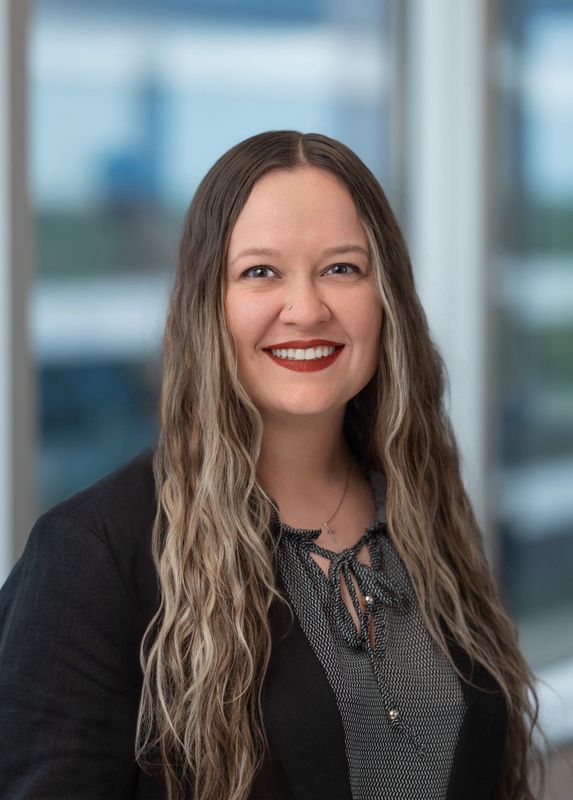
Rachel Reising is a Huntington’s Disease advocate who has received an HD gene positive diagnosis.
Home » News » Local News » Michigan » Pharmacy legislation will hurt the terminally ill, like me | Opinion
Michigan

Pharmacy legislation will hurt the terminally ill, like me | Opinion

I have Huntington’s disease, a progressive and fatal neurodegenerative disorder. There’s currently no cure. I’m no stranger to Huntington’s; when I was diagnosed positive for the Huntington’s gene, I knew exactly what the future held, because I’d watched my father battle the disease, just as he’d watched his mother die from it. And now this terrible legacy continues for a third generation in me.

A rare moment of mercy throughout my father’s battle was the access to medications he had through his pharmacy. When you have a disease without a cure, every part of your healthcare team matters — including your pharmacist. As Huntington’s gradually steals your independence, having a nearby pharmacy became increasingly important.

Video Thumbnail

Unfortunately, some Michigan policymakers have expressed interest in tougher pharmacy regulations similar to those enacted in Arkansas and Tennessee. Before heading down that road, they should consider what those policies could mean for those facing terminal illnesses. 

First, pharmacies in communities like mine will disappear. For many in the rare disease community, pharmacies aren’t just places to pick up a prescription — they are lifelines. Huntington’s patients manage multiple prescriptions throughout the disease’s various stages: medications that help manage movement disorders, depression, anxiety, sleep problems and other symptoms. Refills can’t be delayed. And as the disease’s symptoms progress, traveling long distances becomes impossible. 

The United States is currently experiencing a pharmacy access crisis. In the past decade, approximately one third of all retail pharmacies in the country have shuttered, with independent pharmacies hit hardest due to economic strain. Those closures have left millions of Americans living in “pharmacy deserts,” where people must drive long distances for necessary medications. These deserts now constitute an estimated 45 percent of all U.S. counties. 

The majority of Michigan’s counties are rural, and they are or will be disproportionately affected by deserts, but it also severely impacts elderly, disabled, and rare disease patients in urban Detroit and Lansing, as well as in the Grand Rapids suburbs where I live. 

Closing retail chain pharmacies therefore has a double-effect on patients who have complex disabilities like Huntington’s Disease. First, the deserts will get worse if retail chains are forced to close even more quickly than independent chains. Second, specialty pharmacies and medications — the kind that Huntington’s patients rely on as they decline — will be less available both through closures and by being overburdened by people’s needs. 

Living with Huntington’s means there will come a day when my independence becomes limited, when I’ll exhibit the same symptoms my father did. Driving will become difficult. Then walking will be compromised. When those days arrive, not having a nearby pharmacy will be a major barrier between me and the medications that preserve my quality of life.

Lawmakers love sound bites about putting patients first. Well, here’s their chance to do it. If access to pharmacies is already a problem in this country, lawmakers should not enact policies that make it worse. They should strengthen our healthcare infrastructure, take a stand for people like me who face terminal diseases and follow through on their words.

I know better than anyone that there will be challenges that medicine can’t solve. We can’t cure Huntington’s today, but my life isn’t over yet. I haven’t given up; I just don’t want our leaders to give up on me, either.

Rachel Reising is Michigan resident and Huntington’s Disease advocate who has received an HD gene positive diagnosis.

This article originally appeared on The Holland Sentinel: Pharmacy legislation will hurt the terminally ill, like me | Opinion

Reporting by Rachel Reising, Guest Columnist / The Holland Sentinel

USA TODAY Network via Reuters Connect

Image

By Rachel Reising, Guest Columnist | USA TODAY Network
Related posts

Leave a Comment