Minivans and pickups provide less protection for back seat passengers than is common for front seats, the Insurance Institute for Highway Safety discovered after updating its safety testing program this year.
The findings of IIHS’s top safety pick awards showed that the risk of a fatal injury is higher for belted adults in the rear seat of newer vehicles than in the front.

IIHS increased requirements so that second-row occupants have the same level of protection afforded by advanced seat belts in the front row. As a result, fewer vehicle models have qualified for the awards this year, 48 in total down from 71 at this point last year.
Small and midsize SUVs accounted for the bulk of the top performers. Of this year’s winners, 12 won “top safety pick” while the rest reached “top safety pick plus” status.
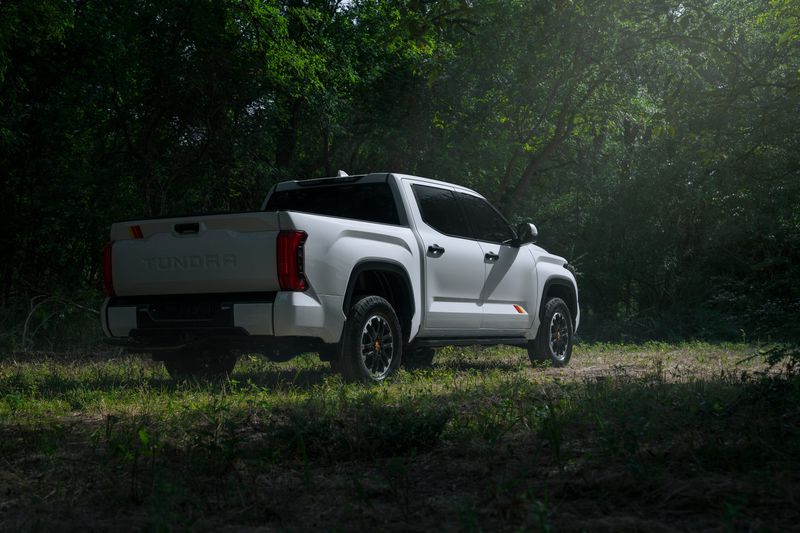
Only two large pickups, the Rivian R1T and Toyota Tundra, met the higher standards placed on award winners for 2025, while no minicars, large cars, minivans, or small pickups made the list.
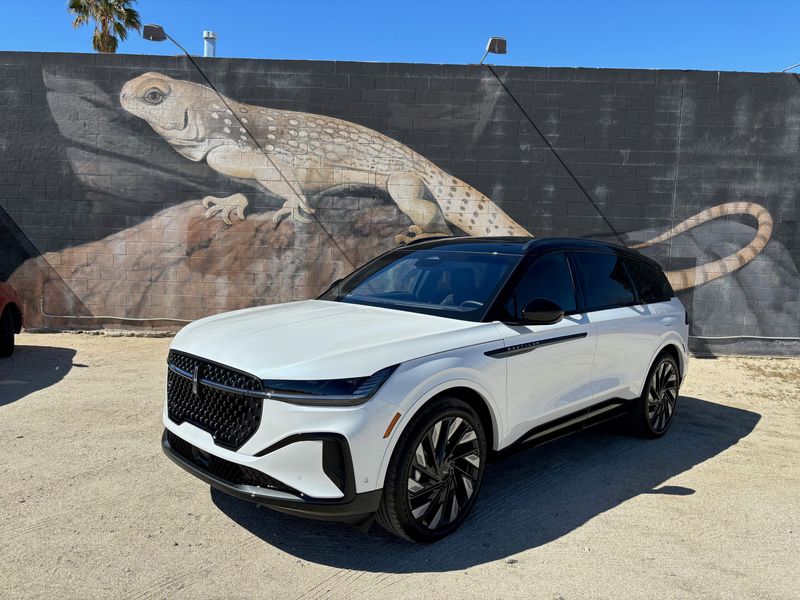
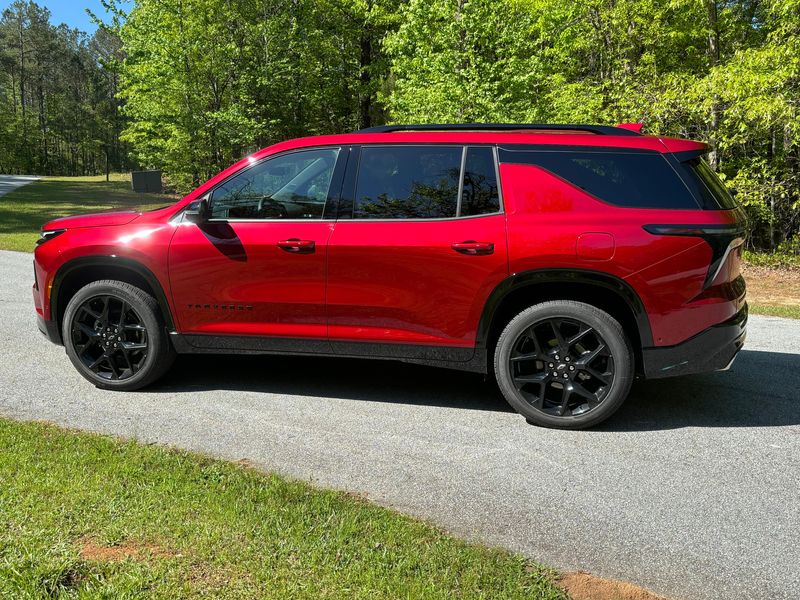
Enhanced safety requirements culled all vehicles produced by the Detroit Three from the winners’ circle except for three: The Ford Mustang Mach-E and the Lincoln Nautilus reached Top Safety Pick-plus status, while the Chevrolet Traverse made Top Safety Pick.
No Stellantis vehicles qualified for the top safety awards.
The Detroit 3 disappoint
IIHS President David Harkey said he was disappointed that more domestic vehicles didn’t make the list, particularly any from Stellantis, which sells the popular Chrysler Pacifica minivan, long advertised to families.
“Some of the automakers behind vehicles advertised as family-friendly need to step up and make improvements quickly,” he said.
Two technologies common in the front seat rarely appear in rear seat belts, Harkey said: pre-tensioner belts and load limiters. The former will, before a collision, pull passengers back into the best position to absorb the impact of a crash by tightening the belt, while the latter ‒ which activates milliseconds after a collision occurs ‒ allows the seat belt to gently unspool to relieve the force on that person’s chest.
As in the previous test, IIHS researchers tested seat-belt efficacy through simulations of a head-on collision. Viable data came when the tested model struck a vehicle of equal size and weight at 40 mph, with 40% of their front widths overlapping.
“It wasn’t that the back seat has become less safe ‒ it’s just that we’ve continued to make all these advancements in the front seat, and we’ve left the back seat behind,” Harkey said.
This year, the institute added a smaller and lighter test dummy “representing a small woman or 12-year-old child” behind the driver. The decision came after much research over the optimum change to more accurately note the safety differences between different automaker models, Harkey said.
“The injuries we see, and what we’re trying to reduce, is twofold ‒ one is chest injuries that occur as a result of the high forces on the chest, where the load limiter comes into play,” he said. “The other type of injury we see, particularly with smaller occupants, is something called submarining, where its pelvis will slide beneath the belt, which will move to the abdominal region, which can cause severe trauma to the stomach.”
Researchers also monitored rear passenger “excursion” ‒ or how far forward a rear passenger’s head travels in a crash. For instance, does their head hit the seat back in front of them? That’s a demerit.
Regardless of a vehicle’s performance in the updated test, IIHS maintains that the second row remains the safest place for children under 13.
The same two large pickups that qualified for the awards, along with one small pickup, were also the only pickups to earn acceptable or good ratings in the updated moderate overlap test last year.
Tougher standards
The dearth of Detroit Three vehicles winning top ratings is a chronic concern in the IIHS top safety study, which the institute has conducted since 1995.
The IIHS rates a vehicle as either good, acceptable, marginal, or poor on a variety of safety tests. Outside of seat belt safety, a vehicle must meet additional criteria to win a Top Safety Pick award, which include earning a good rating in two front crash tests and one side crash test.
The vehicle must also earn a good or acceptable rating in the collision avoidance areas, like the pedestrian front-crash prevention technology test for daytime and nighttime driving, as well as its headlights on all trim levels. That’s because automakers may offer certain safety features only on certain bundled options of special features or equipment that could be more costly than a vehicle’s basic package.
IIHS’s stated goal is reaching “safety equity” across the industry, wherein any customer of a particular model, regardless of the trim level purchased, has access to the safety features most likely to prevent injuries or crashes, Harkey said.
This year, two automakers stood head-and-shoulders above the rest. Vehicle models produced by Mazda had eight Top Safety Pick-plus winners out of the 36 in the Top Safety Pick-plus category, while Hyundai Motor Group, which sells the Kia, Hyundai and Genesis brands, had 10 models represented.
“When you don’t see other vehicles on the list, it’s because automakers are either unable to completely understand what the safety challenges are or to fail to implement these safety features across their fleets,” Harkey said.
Jackie Charniga covers General Motors for the Free Press. Reach her at jcharniga@freepress.com.
This article originally appeared on Detroit Free Press: Only 3 Detroit vehicles make IIHS safety list for rear passengers
Reporting by Jackie Charniga, Detroit Free Press / Detroit Free Press
USA TODAY Network via Reuters Connect