There is nothing alarming about medical advice changing. We should want it to.
Science advances by absorbing new information, testing it against what we thought we knew and changing course when the evidence demands it.

The harder question is what happens when the advice changes while the evidence supporting it has not.
That question is especially relevant as children return to school amid an upheaval in federal vaccine policy.
President Donald Trump on Aug. 10 called for major changes to the childhood vaccine schedule, including fewer vaccines routinely recommended for all children, more time between some shots and eventually separating the combined measles, mumps and rubella vaccine into three individual vaccines.
Some of that can sound reasonable. Fewer shots at once sounds gentler, and spreading them out sounds cautious.
But medicine cannot be built around what sounds reassuring.
The childhood vaccine schedule reflects decades of evidence about when children are vulnerable to infections, when vaccines work best and which ones can safely be given together. Delaying a vaccine also delays protection.
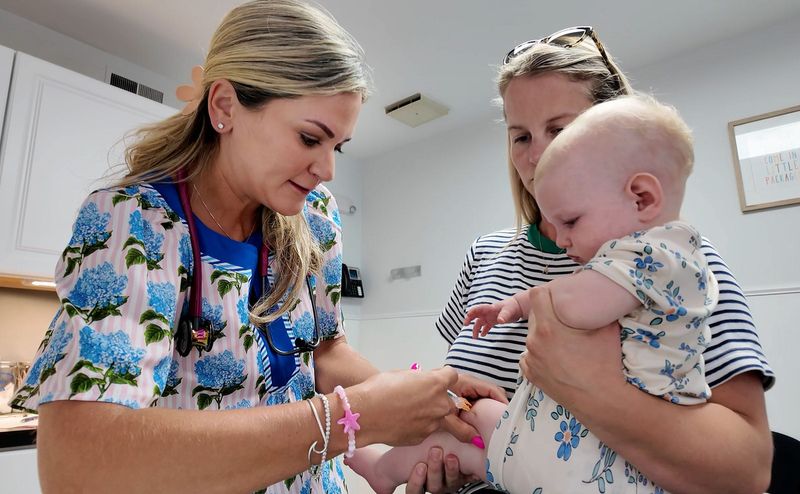
More visits carry consequences, too. For a parent with paid time off, reliable transportation and a pediatrician nearby, another appointment may mean rearranging an afternoon. For someone paid by the hour or living far from a doctor, it can mean another lost shift and another chance for a vaccine to be missed.
A schedule has to work in the world people actually live in.
Federal officials say their approach gives families and doctors more flexibility and resembles schedules in some peer countries. But major medical organizations, including the American Academy of Pediatrics, say recent federal vaccine changes aren’t supported by enough new evidence and bypass the process typically used to review vaccine recommendations.
Michigan officials continue to recommend schedules developed by the AAP and other medical organizations, saying the underlying scientific evidence has not changed.
That leaves parents trying to make sense of conflicting advice from authorities they have been taught to trust.
For years, we have told people to ignore the politician or influencer dispensing medical advice and listen to the experts. Now a parent can encounter one answer from the federal government, another from Michigan health officials and still another from a pediatrician — and somehow be expected to decide which authority deserves confidence.
Parents shouldn’t have to referee institutions. Their decisions should be based on which recommendation the evidence supports, not by which political side they align with.
In Michigan, we’ve already seen a measles outbreak and cases across multiple counties this year. The latest statewide school data available from MDHHS show Michigan’s vaccine waiver rate reached 6.2% in 2024, its highest since 2013. Among kindergarteners, 6.8% had a waiver for at least one required vaccine.
Waiver rates live on spreadsheets. The consequences sit beside our children in classrooms.
Measles cannot distinguish between a deliberate refusal and a vaccine delayed because a parent couldn’t get another afternoon off work. It only needs enough openings to spread.
As a health journalist, I’ve spent years watching good evidence complicate conclusions that once seemed settled. Each new finding reinforces the importance of a transparent, rigorous path between evidence and public health advice.
Most parents are not equipped to independently evaluate years of safety data or determine whether a different dosing schedule leaves children vulnerable longer. And they shouldn’t have to. That’s why systems of scientific review exist.
But when the institutions parents rely on point in different directions, we can’t call that choice.
The burden isn’t on parents to prove the old vaccination advice right. It’s on those proposing the change to explain why the new recommendation better reflects the evidence.
For the record: it doesn’t.
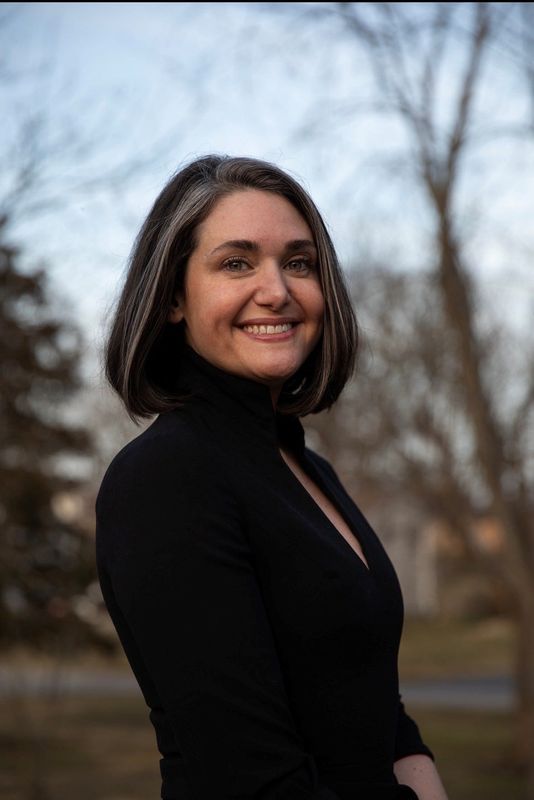
Lindsay Kalter is an independent journalist covering health, science and technology. Her work has appeared in The Washington Post, National Geographic, Columbia Journalism Review and other publications. She was a 2022–2023 Knight-Wallace Fellow at the University of Michigan.
This article originally appeared on The Holland Sentinel: Michigan parents face new vaccine question: Who to trust? | Opinion
Reporting by Lindsay Kalter, Contributing columnist / The Holland Sentinel
USA TODAY Network via Reuters Connect
By Lindsay Kalter, Contributing columnist | USA TODAY Network