MASON — Two years after Ingham County voters shot down a proposal to hike the excise tax on short-term hotel stays, they are being asked to reconsider the idea.
The question on the 2026 August primary ballot asks the same thing as the 2024 initiative − permission for the county to increase the tax on a hotel stay from 5% to 8%, generating about $2.3 million more revenue in the first year for upgrading facilities and doing other things to attract visitors to the area.

Officials are hoping clearer ballot language and more education about the importance of tourism will bring a different result this time around.
“I think a lot folks found the wording of the 2024 (proposal) too confusing,” Ingham County Board Chair Ryan Sebolt said. Board members were perplexed that voters rejected the hotel tax proposal by a fair margin while passing other measures, including a housing and homeless millage, he said.
“The wording was clunky, so people didn’t necessarily think it was clear,” he said. “We decided to make a second go with more clear language and put it back front of voters again.”
Julie Pingston, president and CEO of Choose Lansing, the biggest beneficiary of hotel tax revenue in Ingham County, said the nonprofit plans to do more this time around to explain the importance of tourism and keeping those types of facilities in the capital region up to date.
“We really didn’t say much in the last election,” Pingston said. “If it’s going to be on the ballot, people should understand it.”
The main message, according to Pingston: It will cost an Ingham County homeowner nothing if the proposal passes because the people renting hotel rooms pay the tax.
“Tourism is important to this community, to this region,” she said. “It’s a win-win all around.”
The first time around, the proposal appreared on the November general election ballot. Voters rejected it by a 59%-to-41% margin while passing a countywide housing and homeless millage by a wide margin.
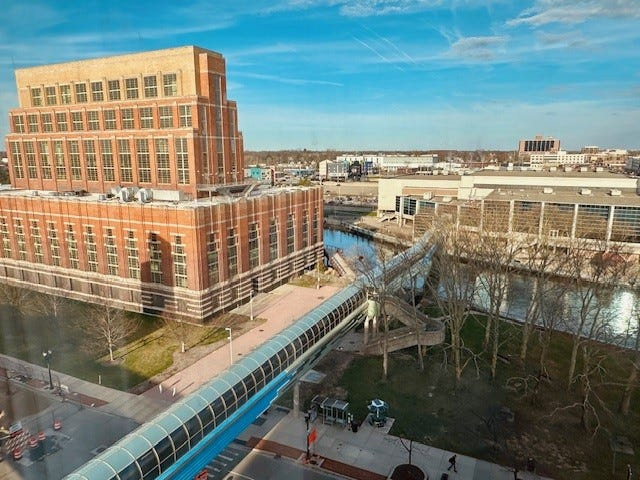
Some 6.7 million visitors spend about $750 million a year here, Pingston said. If the ballot measure passes, some of the extra revenue could be used for upgrading facilities such as Jackson Field, the Lansing Center and the Ingham County Fairgrounds, and that, in turn, could help bring in more visitors, she and others said.
What is the short-term lodging excise tax, exactly?
The county has been collecting a 5% tax on hotel and motel accommodations for visitors staying less than 30 days since 1991. The county board adopted an ordinance establishing the tax under Public Act 263 of 1974.
The lodging tax brought in about $3.9 million last year, Sebolt said.
The state law allows lodging tax revenue to be used for construction or maintenance of convention and entertainment facilities, as well as activities promoting tourism and convention business in the county.
In early 2024, the Legislature amended the law to allow eligible counties to increase the lodging tax to 8% if voters give their blessing. That change was initiated by Kent County, where Grand Rapids is located, and voters there approved an increase to 8% in August 2024.
The Michigan Restaurant & Lodging Association opposed the legislation allowing counties to hike the tax, according to a 2023 House Fiscal Agency report.
Calhoun, Genesee, Kalamazoo, Saginaw and Washtenaw counties also levied a hotel excise tax, according to that report.
Who pays the lodging excise tax, and where does the revenue go?
The tax is paid by people who rent hotel and motel rooms for less than 30 consecutive days. The 6% state sales tax also is applied to hotel bills, meaning Ingham County lodgers would pay a total of 14% in taxes if the lodging tax goes up to 8%.
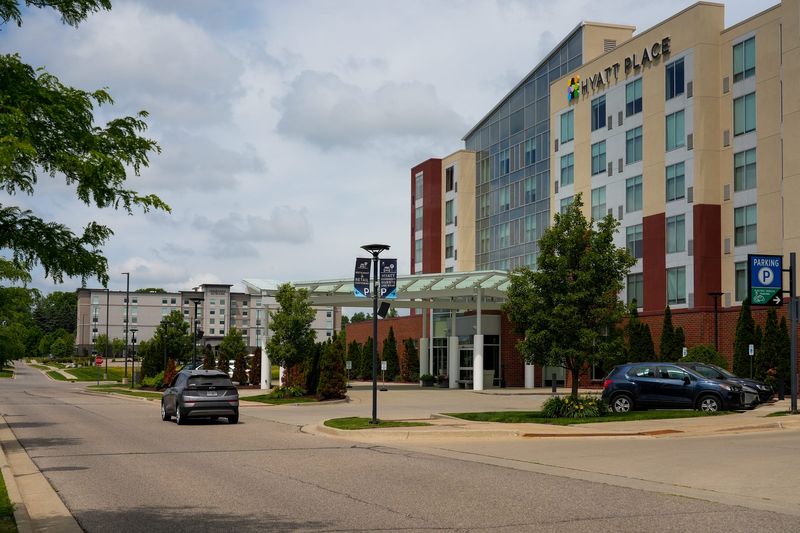
If the ballot proposal passes, the cost of a stay at one of the county’s three dozen hotels would go up by a few dollars a day. Hotels located outside of Ingham County in Greater Lansing would not be subject to the tax.
Choose Lansing gets about 80% of the revenues from the lodging tax. The Ingham County Fair gets about 10%, with 5% going to both the Arts Council of Greater Lansing and the county for administering the tax, officials said.
Arts council officials did not respond to requests for comment, but the organization uses the hotel tax money for grants supporting the production of publicity and promotional materials geared toward attracting visitors to Ingham County, according to it’s website.
Short-term vacation rentals such as Airbnb are subject to the tax but the county is currently collecting no revenues from them while it works with a vendor to identify rental locations “so we can begin to inform them of their obligation and collect the tax they are required to pay,” Ingham County Treasurer Alan Fox said in an email.
That will happen regardless of whether the ballot proposal passes, he said. Officials want to be sure the tax is collected from the people renting the properties, not from the owners of the business, Fox said.
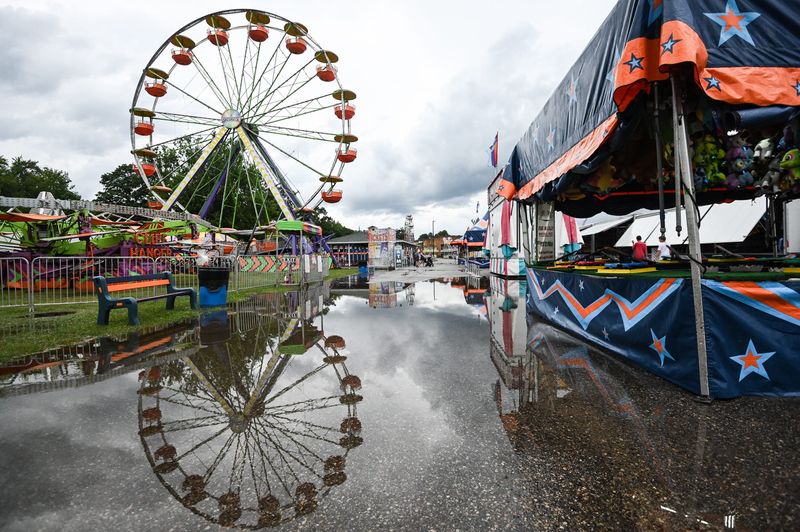
Exactly how the new tax revenue would be spent was unclear, but Pingston said facilities such as Jackson Field (home of the Lansing Lugnuts), Lansing Center and the county fairgrounds in Mason are likely to be discussed. The fairgrounds are directly cited in the ballot language.
“We have a couple of big current needs,” Sebolt said. “Our fairgrounds are in desperate need of an update and the Lansing Center really needs some updates. And I think there are some aspirational things we should think about doing.”
Kent County used its tax to help fund a professional soccer stadium, Sebolt noted.
Is there any organized opposition to the proposal?
Apparently not. But the Michigan Restaurant & Lodging Association was in the process of collecting feedback on the issue from its members, said Jack Trebtoske, director of government affairs for the group, which lobbies public officials on behalf of the hospitality industry.
Ingham County and tourism
Choose Lansing has a 28-member staff and once was known as the Greater Lansing Convention and Visitors Bureau.
The group relies less on traditional advertising and more on building relationships, Pington said. The Lansing area is a popular destination for conventions and amateur sporting events, with Michigan State University at the center of that paradigm, she and other officials said.
Sebolt, who has twice voted to put the lodging tax proposal on the ballot, said Choose Lansing has done a good job bringing in events such as sports competitions, including those geared to people with sensory disabilities. County residents stand to benefit from investing more in tourism, he said.
What language will appear on the ballot?
Under the heading “Ingham County Tourism, Entertainment Facilities, and Arts Proposal:”
“To improve convention facilities, modernize the County Fairgrounds, promote the arts, attract tourists and capital investments to the County, and other activities specified by Public Act 263 of 1974, as amended, shall the County be permitted to increase the tax collected from visitors who stay less than 30 days at hotels and similar accommodations, from the present level of 5%, to 8%, for such purposes?”
Contact Ken Palmer at kpalmer@lsj.com. Follow him on X @KBPalm_lsj
This article originally appeared on Lansing State Journal: Ingham County leaders make second go at lodging tax hike for hotels
Reporting by Ken Palmer, Lansing State Journal / Lansing State Journal
USA TODAY Network via Reuters Connect
By Ken Palmer, Lansing State Journal | USA TODAY Network