Michigan officials have logged a record-breaking number of cougar sightings across the Upper Peninsula this year, according to the Department of Natural Resources.
The Michigan DNR reported 26 cougar sightings so far in 2025, the highest number in 17 years of tracking the animal, state data shows. The DNR has reported dozens of cougar sightings in recent years, nearly all in the Upper Peninsula. Residents also have reported sightings throughout the Lower Peninsula.

Residents often capture them remotely, via trail cams set up for tracking wild game. The Michigan DNR maintains a gallery of reported cougar sightings on its website.
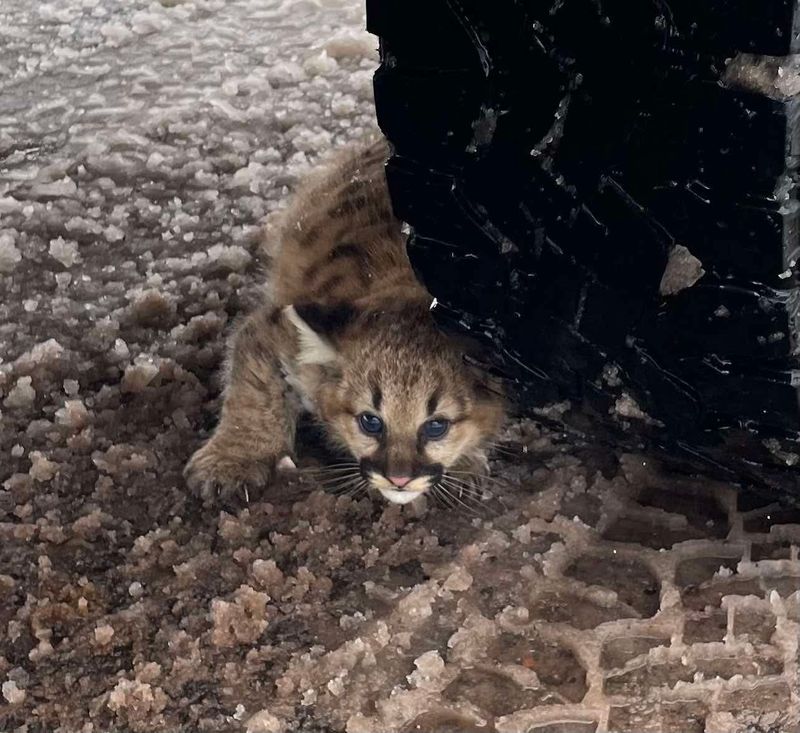
In March 2025, the DNR confirmed the first known cougar cubs in Michigan in a century.
The 7- to 9-week-old cubs were confirmed on private land in Ontonagon County in the western Upper Peninsula after being photographed March 6 by a local resident.
“It’s pretty exciting, considering this could be the first known cougar reproduction in modern times in the western Great Lakes states,” Brian Roell, a large carnivore specialist for the Michigan Department of Natural Resources said in a news release. “It really shows that we have a unique place in Michigan where someone has a chance to see a wolf, a moose and a cougar in the wild. It’s something that should be celebrated, that we have the habitat to support an elusive animal like this.”
Whether the young cougars survived beyond that initial sighting in unknown.
Officials say while it can be fun to snap a photo of the elusive creatures, it’s best not to get too close, as cougar encounters can be dangerous. Be sure to follow National Park Service guidelines in case you come across one on your hike in nature.
Here’s what to know about cougars or mountain lions in Michigan.
Where have Michigan officials confirmed sightings?
The Michigan DNR tracks confirmed cougar sightings in Michigan and includes photos of many incidents. Here is a list of confirmed cougar sightings throughout the state in recent years:
How many cougars live in Michigan?
The DNR has verified 132 adult cougar reports in recent years, Roell said, but DNA testing had confirmed only male cougars to date.
Think you’ve seen a cougar? Locals post potential sightings online
Michigan residents often take to social media to share their own cougar sightings.
In addition to the multiple sightings in the UP, residents have reported sightings across the Lower Peninsula this year, including near Greenville, Flushing and Berrien County.
How to report a cougar sighting in Michigan
Sightings can be logged in the DNR’s Eyes in the Field reporting system.
For the latest information on cougars, including the DNR’s cougar sightings photo page, visit Michigan.gov/Cougar.
What should you do if you see a cougar in Michigan?
The National Park Service recommends key points to stay safe around cougars. Here are some tips for if you encounter a cougar in Michigan:
If the cougar begins to approach you or behaves aggressively, you will need to act intimidating to defend yourself.
The park service also advises calling or contacting a park ranger immediately to report cougar encounters or attacks. Here are a few points to remember:
What are cougars?
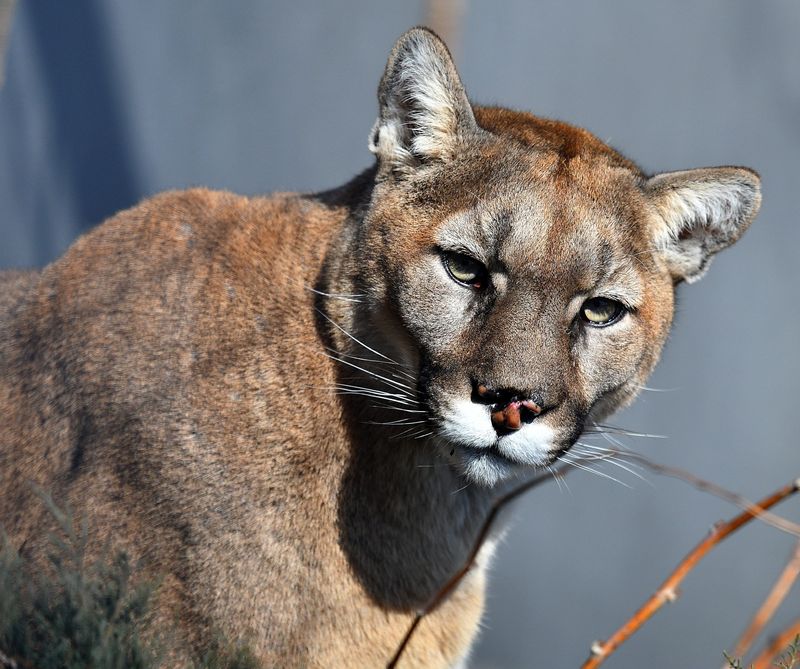
Cougars are a large cat species with a tan, beige color and white belly and chest. Males can range from 115 to 220 pounds and females from 64 to 141 pounds, according to the National Wildlife Federation.
Also known as mountain lions or panthers, the species is native to the Americas.
What do cougars eat?
Adult cougars typically prey on deer, elk, moose, mountain goats, and wild sheep, with deer being the preferred and most common prey.
Other prey species, especially for younger cougars, include raccoons, coyotes, rabbits, hares, small rodents, and occasionally pets and livestock (e.g. goats, sheep, and chickens). A large male cougar kills a deer or elk every nine to 12 days, eating up to 20 pounds at a time and burying the rest for later.
Cougars are most active from dusk to dawn, but it’s not unusual for cougars to hunt any time during the day.
When did cougars go extinct in Michigan?
The cougar population in the U.S. has significantly decreased, due in part to early 20th century trophy hunting, poaching and bounty hunting, the Mountain Lion Foundation noted.
This decline occurred in Michigan, with the native cougar population wiped out in the early 1900s, the Michigan DNR said.
When did cougars return to Michigan?
Confirmed cougar sightings have picked up across Michigan since 2008, the DNR says. The DNR said young male cougars from the western U.S. are spreading into midwestern and eastern states.
Michigan’s recent cougar sightings included two illegal cougar harvests in the Upper Peninsula, according to the DNR.
Contact Jenna Prestininzi: jprestininzi@freepress.com.
This article originally appeared on Detroit Free Press: How many cougars live in Michigan? DNR reports record sightings
Reporting by Jenna Prestininzi, Detroit Free Press / Detroit Free Press
USA TODAY Network via Reuters Connect